


- STATUTUL UNITĂŢII ADMINISTRATIV-TERITORIALE
- “REGULAMENTELE PRIVIND PROCEDURILE ADMINISTRATIVE”
-
- Regulament de organizare și funcționare CJH
- Regulament de ordine interioară
- Dispoziție nr. 125/2024
- Dispoziția nr. 9/2025_ROI – modificare(Program de lucru)
- Dispoziție nr. 125/2024
- Integritate Instituțională
-
- HOTĂRÂRILE AUTORITĂȚII DELIBERATIVE
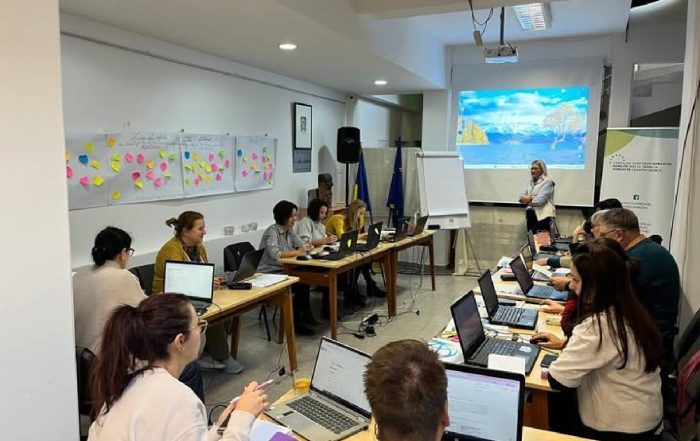
Free digital training courses are being launched in libraries in Harghita County through the “Digital STARS” programme
Free digital competence development training will be provided to the public through several libraries in Harghita County, coordinated by the “Kájoni János” County Library, within the framework of the “Digital STARS” programme. The programme is funded by the National Recovery and Resilience Plan (PNRR) and aims to transform county libraries into modern digital knowledge and community development centres.
Within the programme, free digital training courses are available to a wide range of the population, including older adults, young people, job seekers, recent graduates, social assistance beneficiaries, and anyone who wishes to improve their digital skills and use computers or smart devices with greater confidence.
Participants can acquire practical skills in areas such as online communication, CV writing, job searching, bill payments, as well as the use of e-government services and online public administration platforms.
Gyulai Arthur, director of the county library, emphasized that the knowledge gained during the training can be directly applied in everyday life and on the labour market. At the end of the programme, participants receive an officially recognized certificate issued by the competent authorities, which increases their employment opportunities.
The training sessions are organized with a flexible schedule on weekdays between 8:00 and 16:00, and if necessary until 18:00. The curriculum is adapted to participants’ skill levels, and individual preparation is also available upon request. Sessions are accessible both online and in person, using either the libraries’ IT equipment or participants’ own devices.
The implementation sites of the project include the “Kájoni János” County Library in Miercurea Ciuc, the Municipal Library of Odorheiu Secuiesc, the Municipal Library of Gheorgheni, the “George Sbârcea” Municipal Library in Toplița, as well as the towns of Băile Tușnad, Borsec, Cristuru Secuiesc, and Vlăhița, and numerous communes including Atid, Bilbor, Căpâlnița, Cârța, Ciceu, Ciumani, Corund, Cozmeni, Dănești, Dealu, Ditrău, Galăuțaș, Joseni, Lăzarea, Lueta, Lunca de Jos, Lunca de Sus, Merești, Mihăileni, Ocland, Păuleni-Ciuc, Remetea, Românași, Sâncrăieni, Sândominic, Sărmaș, Sânmartin, Sânsimion, Suseni, Satu Mare, Siculeni, Șimonești, Tulgheș, and Vărșag.
Interested persons may register in person at the “Kájoni János” County Library, by phone at 0266 371 988 or 0755 341 312, by email at [email protected], or directly at the local libraries.
The initiative is implemented under the PNRR framework and aims to strengthen digital competences and enhance the community role of libraries. Upon successful completion of the training, participants receive a certificate recognized by ADR.
Bíró Barna-Botond, President of Harghita County Council, emphasized that the library is the centre of knowledge, a meeting place of ideas and communities.
– Whether in the form of printed books or digital resources, the library remains a fundamental space for education, culture, and personal development. Last year we took an important step in the life of the county library by purchasing the building where it operates, and through the PNRR-funded project we are contributing to turning county libraries into centres for the development of digital skills. I would like to thank librarians for their key role in preserving and promoting culture – he stated on the occasion of Librarians’ Day, celebrated every year on April 23.
Miercurea Ciuc, April 23, 2026.
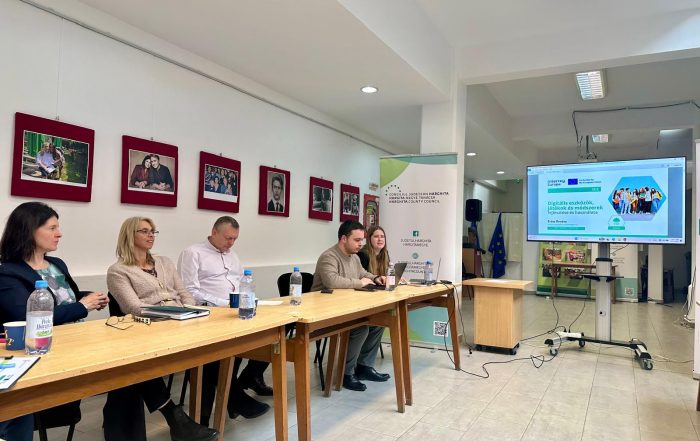
Digital tools and innovative methods in entrepreneurship education – the 4th stakeholder meeting of the SEE project was successfully held
The Harghita County Council organized the 4th stakeholder meeting of the “SEE – Sustainable Entrepreneurship Education” project on March 31, 2026, in Miercurea Ciuc, at the Kájoni János County Library, focusing on the development and application of digital tools, games, and innovative educational methods.
The event is part of the SEE project implemented within the international Interreg Europe programme, which aims to develop regional policies supporting entrepreneurship education, with a special focus on youth skills development, the use of digital tools, and strengthening sustainability. Seven European regions are cooperating in the project, including Harghita County.
During the meeting, the current status of the project was presented, followed by the introduction of good practices identified during the study visit to Italy in January 2026. These innovative approaches – such as gamification, experiential learning, and hands-on experience – effectively support the development of young people’s entrepreneurial skills.
Within the framework of the event, participants also discussed the international meeting to be held in Poland in June 2026, focusing mainly on the selection of transferable good practices.
Special attention was given to the role of digital tools and game-based learning methods, as well as educational models that develop creativity, problem-solving, teamwork, and an entrepreneurial mindset. Participants also gained first-hand experience of the advantages of interactive, experiential learning by trying out the “LEADER board game.”
At the meeting, the Spektrum Educational Center, as a stakeholder, also presented the Ecopreneurs project, which aims to develop a sustainable entrepreneurial mindset. As part of the presentation, the educational game called “Eco Isle” was introduced, which innovatively supports the joint development of environmentally conscious thinking and entrepreneurial skills.
The aim of the SEE project is to contribute in the long term to strengthening young people’s entrepreneurial mindset, as well as to modernizing regional education and development policies. The project runs from 2024 to 2028 and places particular emphasis on the development of 21st-century skills, digital competences, and sustainable thinking.
The current meeting once again confirmed the importance of international cooperation and the exchange of good practices in preparing the entrepreneurs of the future.
Miercurea Ciuc, March 31, 2026.


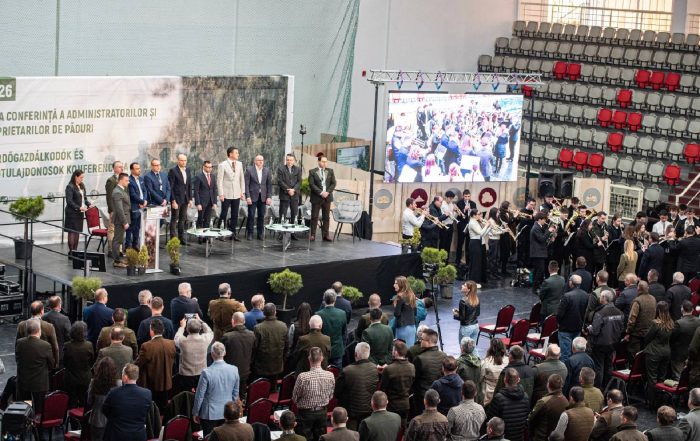
The stake is the future of our forests
A national-level professional conference for forest owners and forest managers in Csíkszereda
For the fourth time, the Conference of Forest Managers and Forest Owners was organized on Friday, March 27. Nearly four hundred participants attended the professional panel discussions at the Erőss Zsolt Arena in Csíkszereda.
Attila Korodi, mayor of Csíkszereda, emphasized in his speech that the unconventional venue carries symbolic meaning, as Zsolt Erőss’s life was closely connected to the mountains, to the living environment in which we all reside. He added that the conference can serve as an important platform contributing significantly to the preparation of decisions.
Árpád Cilip, head of the Development Center, stated that they trust participants will be able to use the knowledge gained and the connections established at the conference throughout the year in their work.
Előd Melles, executive president of the Association of Forest Owners and Forest Managers of Székelyland, said that the role of forests is gaining importance on a global scale, representing at once a natural value, an economic resource, and one of the most important expressions of responsibility toward future generations.
Levente Porzsolt, president of the association, emphasized the need for joint thinking through professional dialogue, such as the conference held on Friday. In his speech, he recalled that while the professional conference started four years ago with 150 participants, it has now gained national recognition, with nearly 400 participants attending the event.
On behalf of the Romanian Association of Wood Processors, President Ciprian-Dumitru Muscă welcomed the participants, highlighting the role of active local communities that can develop by building on existing resources. In his speech, he also addressed future funding opportunities for the forestry sector.
Barna-Botond Bíró, president of the Harghita County Council, emphasized that in times of crisis every decision carries greater weight, and we cannot afford delays. As he stated, forests are one of Harghita County’s most important strategic reserves – part of our economic, energy, and community security.
– We do not need more money, but better, more responsible decisions. The foundation of sustainable management is trust, transparency, and dialogue. Only together can we ensure that forests create value today and for future generations as well – he added.
Deputy Prime Minister Barna Tánczos stated that forests are both a resource and a natural treasure that must be protected. Previous generations managed them by maintaining a balance between use and protection, and this remains crucial today. At the same time, he emphasized that amid rapid social and environmental changes, adaptation alone is not enough. As he said, forestry professionals, forest managers, and owners must explain, educate, build bridges between society and on-the-ground realities, and guide necessary changes.
From state institutions, George Gârbacea, chief inspector of the National Forest Guard, Gabriel-Simion Oltean, ministerial advisor at the Ministry of Environment, and Jean Vișan, the newly appointed general director of Romsilva, were also present.
The conference was structured around several thematic blocks, ranging from legal and ownership issues to economic and policy challenges, as well as sustainable forest management and addressing the impacts of climate change. Panel discussions placed particular emphasis on the role of local communities, changes in the regulatory environment, and the strategic importance of forests for the economy and energy supply.
The aim of the conference was once again to create dialogue among forest owners, professionals, and decision-makers, fostering joint thinking and the development of sustainable solutions. According to the organizers, such meetings play a key role in ensuring that professional experience and on-the-ground realities are reflected in decision-making.
The clear message of the event was that the future of forest management can only be built on cooperation, transparency, and responsible decision-making.
The event was initiated by the Harghita County Council and Deputy Prime Minister and Senator Barna Tánczos, organized by the Development Center and the Association of Forest Owners and Forest Managers of Székelyland (APAPET), in strategic partnership with the Romanian Association of Forest Managers (ASFOR) and the Association of Székely Farmers’ Organizations.
The conference is open to visitors until 5 PM. The detailed program can be viewed HERE.
Csíkszereda, March 27, 2026.


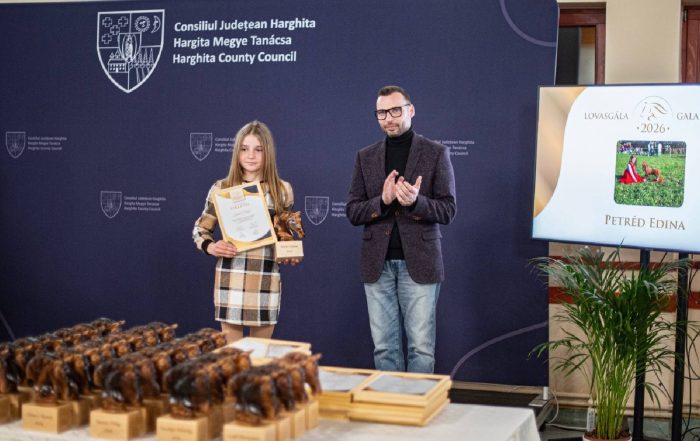
39 athletes received recognition based on results across multiple competition categories and disciplines
The Equestrian Gala of this year was held in a ceremonial setting on March 18 in Remetea, where equestrian athletes with outstanding performances in the 2025 competition season were awarded. The event, hosted at the Community House, was one of the prestigious gatherings of the county’s equestrian sport, placing athletes’ achievements at the center of attention.
The event was organized by the Harghita County Council, the Harghita County Council’s Rural Development Association, the Remetea Equestrian Club, and the Municipality of Remetea, with the aim of presenting and rewarding athletes’ performances.
Among those present were Lőrinc Nacsa, State Secretary for National Policy of Hungary, Barna-Botond Bíró, President of the Harghita County Council, Marilena Mladin, President of the Romanian Equestrian Federation, Csaba Borboly, President of the Harghita County Council’s Rural Development Association, Elemér Laczkó-Albert, Mayor of Remetea, as well as representatives of equestrian sport at local and national level, coaches, athletes, and invited guests.
A total of 39 athletes received recognition during the Equestrian Gala, with awards granted based on results across several competition categories and disciplines. The recognitions were based on the First Harghita County Show Jumping Championship, the 10th Sekler Regional Show Jumping Championship, and the National Championship Final. In addition, outstanding athletes in dressage, eventing, carriage driving, and horse archery were also awarded.

As host, Elemér Laczkó-Albert, Mayor of Remetea, welcomed the participants, highlighting that the event is both a tribute to the past and a message for the future.
– The relationship between the horse and the Sekler people is not only a tradition but a heritage. The horse was once a working partner, a companion in labor, a comrade on the road, and often a symbol of freedom. Therefore, today is not only an award ceremony, but also pride, a tribute to our past, and a message to the future. The tradition lives on: not in museums, but on the field, in the saddle, and in people’s hearts and souls – emphasized the mayor.

Barna-Botond Bíró, President of the Harghita County Council, underlined in his speech that equestrian sport is not merely competition, but a value system that teaches discipline, perseverance, and responsibility, and provides guidance for the community even in difficult times.
– When a young person chooses equestrian sport, they do not only choose a discipline, but enter an order. They learn how to move forward even when the path is difficult. A rider knows that when reaching difficult terrain, one should not speed up but slow down. This is not a sign of fear, but of responsibility: one must take care of both oneself and the horse, while keeping the goal in mind. This is a lesson for all of us: in difficult situations, we should not amplify the noise or rush, but slow down, focus on the goal, support each other, and make responsible decisions.
He also emphasized the importance of representing the community where decisions are made, both in Bucharest and Budapest, to ensure that decisions serve the interests of the community.

Marilena Mladin, President of the Romanian Equestrian Federation, stressed that the participants were not only attending a ceremonial event, but were part of a community where tradition is actively lived. As she noted, equestrian sport requires discipline, respect, and perseverance, and true performance is built through everyday work. She added that not only results are being celebrated, but also the invisible work and inner strength behind them, and that the future must be built together by strengthening one another.

Lőrinc Nacsa, State Secretary for National Policy of Hungary, highlighted the importance of equestrian traditions and communities, and announced that from March 23, 2026, the Secretariat for National Policy will launch the Carpathian Basin Equestrian Program.
– It is very important that Hungarians are a horse-riding nation, therefore it is a value for us to preserve our equestrian traditions and communities, and to give more and more people the opportunity to connect to them in some way. This is a targeted funding scheme specifically serving equestrian communities, and in recent years we have already seen its results: in young people, in performances, and in the successes coming from Sekler as well.
Every sporting achievement, every award, every such community event makes the entire Hungarian nation stronger – he emphasized.

Csaba Borboly, President of the Harghita County Council’s Rural Development Association, drew attention to the changing role of equestrian sport and its future opportunities.
– Many say that the horse is disappearing from the fields, but it is not the horse that is disappearing, rather the agricultural work carried out with horses is transforming. A quiet but profound transformation is underway, where the working horse is increasingly being replaced by sport, tourism, therapy, and heritage preservation. As he said, equestrian life has a future both in Europe and locally, and the opportunities must be seized and prepared for.
The message of Gyula Dallos, ministerial commissioner, was also read at the event, emphasizing that the horse is a symbol of freedom and unity for Hungarians living in the Carpathian Basin, praising the work of equestrian communities and the importance of the Carpathian Basin Equestrian Program, while wishing further success to the participants.

During the award ceremony, 39 athletes received recognition, reflecting the diversity and development of the county’s equestrian sport.
Awardees – Equestrian Gala 2026
- Sarolt Kolumbán – Astoria Horse Center – show jumping – First Harghita County Show Jumping Championship, Children I Criteria category (90 cm), 1st place – coach: Adél Lakatos
- Franciska Bindea – Remetea Equestrian Club – show jumping – First Harghita County Show Jumping Championship, Children I Criteria category (90 cm), 2nd place; National Championship Final, Children Criteria category (90 cm), 4th place – coach: Sándor Balázs
- Daria Ilisan – Remetea Equestrian Club – show jumping – First Harghita County Show Jumping Championship, Children I Criteria category (90 cm), 3rd place – coach: Sándor Balázs
- Boglárka Bodó – Remetea Equestrian Club – show jumping – First Harghita County Show Jumping Championship, Amateur category (100 cm), 1st place – coach: Sándor Balázs
- Dominik Dombai – Remetea Equestrian Club – show jumping – First Harghita County Show Jumping Championship, Amateur category (100 cm), 2nd place – coach: Sándor Balázs
- Zsófia Nyisztor – Remetea Equestrian Club – show jumping – First Harghita County Show Jumping Championship, Amateur category (100 cm), 3rd place; 10th Sekler Regional Show Jumping Championship (100 cm), 3rd place – coach: Sándor Balázs
- Réka Korodi – Remetea Equestrian Club – show jumping – First Harghita County Show Jumping Championship, Junior category (120 cm), 1st place; National Championship Final, Junior category (130 cm), 5th place – coach: Sándor Balázs
- Vanda Joó – Remetea Equestrian Club – show jumping – First Harghita County Show Jumping Championship, Junior category (120 cm), 2nd place; National Championship Final, Junior category (130 cm), 12th place – coach: Sándor Balázs
- Edina Petréd – Remetea Equestrian Club – show jumping – 10th Sekler Regional Show Jumping Championship (80 cm), 2nd place – coach: Sándor Balázs
- Bernadett Ladó – Csicser Riding Stable – show jumping – 10th Sekler Regional Show Jumping Championship (80 cm), 3rd place – coach: Ábel André
- Jázmin Kovács – Remetea Equestrian Club – show jumping – 10th Sekler Regional Show Jumping Championship (100 cm), 1st place – coach: Sándor Balázs
- Emma Lakatos – Judo Hargita – show jumping – 10th Sekler Regional Show Jumping Championship (100 cm), 2nd place – coach: Dalma Gergely
- Gáspár Petréd – Remetea Equestrian Club – show jumping – 10th Sekler Regional Show Jumping Championship (110 cm), 1st place; National Championship Final, Junior category (130 cm), 10th place; Children’s final (125 cm), 8th place – coach: Sándor Balázs
- Biborka Bocskai – Astoria Horse Center – show jumping – National Championship Final, Junior Elite category (130 cm), 6th place
- Réka Ilyés – Remetea Equestrian Club – show jumping – National Championship Final, Children Criteria category (90 cm), 23rd place – coach: Sándor Balázs
- Leila Szabó – Remetea Equestrian Club – show jumping – Danube Champions Tour, international amateur category (110 cm), 1st place – coach: Sándor Balázs
- Kriszta Kádár – Táltos Equestrian Yard – dressage – Harghita County Dressage Championship, 1st place
- Virág Bartus – Septimia Sports Club – dressage, eventing – Harghita County Dressage Championship, 2nd place; Harghita County Eventing Championship, Prenovice category, 3rd place
- Csaba Hegyi – Táltos Equestrian Yard – dressage – Harghita County Dressage Championship, 3rd place
- Eszter Gábos – Katowice Association – eventing – Harghita County Eventing Championship, Novice Junior category, 1st place
- Katalin Ferencz – Kavalliera Association – eventing – Harghita County Eventing Championship, Prenovice category, 1st place
- Ernő Fejér – Kavalliera Association – eventing – Harghita County Eventing Championship, Prenovice category, 2nd place
- Tibor Bajkó and Ildikó Bajkó – Krigel Sports Club – carriage driving – Romanian Carriage Driving Championship, outstanding results
- László Orosz and István Benedek – Krigel Sports Club – carriage driving – Romanian Carriage Driving Championship, outstanding results
- Romeó Lőrincz – horse archery – Romanian National Final, Adult men’s category, 1st place
- Csongor Bakos – horse archery – Romanian National Final, Adult men’s category, 2nd place
- Levente Karácsony – horse archery – Romanian National Final, Adult men’s category, 3rd place
- Boglárka Bakó – horse archery – Romanian National Final, Adult women’s category, 1st place
- Nóra Török – horse archery – Romanian National Final, Adult women’s category, 2nd place
- Márton Albert – horse archery – Romanian National Final, Youth men’s category, 1st place
- Koppány Csiky Dácz – horse archery – Romanian National Final, Youth men’s category, 2nd place
- Ivett Csiszér – horse archery – Romanian National Final, Youth women’s category, 1st place
- Bernadett Bodor – horse archery – Romanian National Final, Youth women’s category, 2nd place
- Ármin Magor Rácz – horse archery – Romanian National Final, Children boys’ category, 1st place
- Tamás Kovács – horse archery – Romanian National Final, Children boys’ category, 2nd place
- Domán Szalontai – horse archery – Romanian National Final, Children boys’ category, 3rd place
- Virág Lőrincz – horse archery – Romanian National Final, Children girls’ category, 1st place
- Biborka Mátyás Ambrus – horse archery – Romanian National Final, Children girls’ category, 2nd place
- Dorka András – horse archery – Romanian National Final, Children girls’ category, 3rd place
Remetea, March 19, 2026.
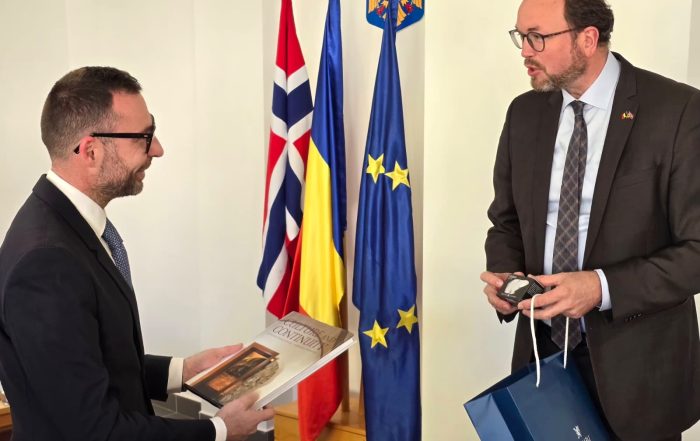
The representative of the Embassy of Norway in Romania was received by Bíró Barna-Botond
Tor Martin Møller, representative of the Embassy of Norway in Romania, was received on March 18 by Bíró Barna-Botond, President of the Harghita County Council, at the temporary headquarters of the County Council.
During the meeting, they discussed the directions of regional development, cross-border cooperation, as well as the role of education, youth, and cultural development in building a strong community. Such meetings provide an opportunity for the exchange of experience and for strengthening our international relations, for the benefit of our communities – stated Bíró Barna-Botond.


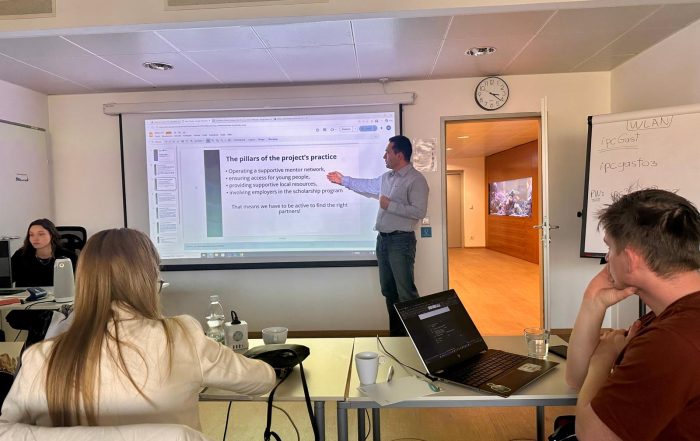
How are young people’s careers supported in Austria?
Within the PATHS project, professionals from Harghita County visited Vienna to learn about good practices that support skills development and labour market integration for young people aged 14–21.
The Austrian partner presented the programmes of ÖJAB – Österreichische Jungarbeiterbewegung ‘EducationFit’ and the IPC training centre. These programmes involve young people who have already completed compulsory education but have not yet found their place in the labour market, offering them 10-week, personalised training courses.
Based on decades of Austrian experience, key success factors include:
- small-group training (8–10 participants), enabling more effective learning;
- mentoring and continuous follow-up, not only training itself;
- skills development aligned with labour market needs – alongside traditional trades, also design, e-commerce, digital tools, and social media skills;
- stable state support and a well-structured institutional framework.
Since 2025, Harghita County Council has been participating in the PATHS (Personalized Approach To Territorial Life And Career Support) European Union project, together with partners from eight additional countries in the Danube Region.
The initiative aims to strengthen career guidance and long-term life-path support, especially for young people living in rural areas. An important goal is to help as many young people as possible build their future locally and reduce outward migration.
The visit took place between March 9–12, 2026. In addition to experts from the County Council, Mózes Csongor, director of the “Kájoni János” Vocational High School in Miercurea Ciuc, also participated.


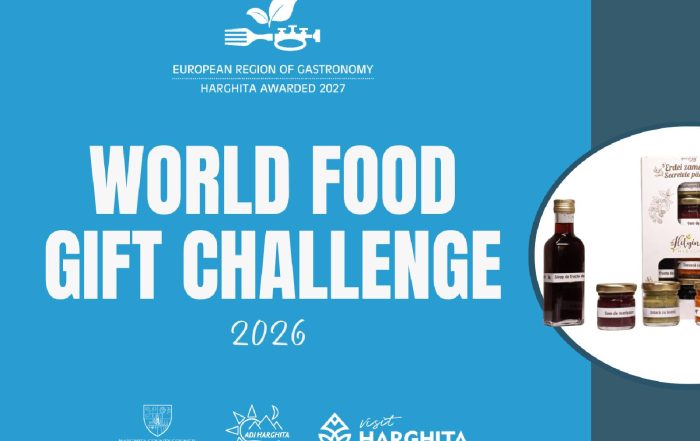
CALL FOR APPLICATIONS – World Food Gift Challenge 2026
Unique opportunity for small local producers in Harghita County to participate in the World Food Gift Challenge 2026. The international competition, organized by IGCAT, aims to promote authentic and sustainable products from the world’s gastronomy regions. The event will take place in Crete on May 21, 2026. Winners receive international visibility and official recognition.
What types of products can be submitted?
- Gastronomic gifts: non-perishable local food products made from natural ingredients.
- Gastronomy-related craft products: kitchen tools or equipment that reflect local culture.
- Products must be produced in small quantities, be sustainable, and reflect the characteristics of the region.
How are participants selected?
To ensure high-quality representation of Harghita County, the Visit Harghita team will select 4 products for the final competition.
In case of high interest, selection will be based on the following criteria:
- Authenticity and local connection – the product should reflect the traditions, raw materials, or craftsmanship techniques of the region.
- Sustainability – preference is given to environmentally friendly production, responsibly packaged products, and those made from local ingredients.
- Quality and aesthetic appearance – the product must be well-crafted, visually appealing, and suitable as a gift.
- International promotional potential – products that can attract the interest of tourists and international markets.
- Story behind the product – each entry must include an interesting background story reflecting local culture and traditions.
Why apply?
- International promotion opportunity
- Increased visibility for local products
- Official quality certification
Visit Harghita covers half of the participation fee for selected applicants.
Application deadline: April 10, 2026.
Full call available here:
https://www.dropbox.com/scl/fo/61g22zgq5ywjj8ztmitli/AK2EOiqtmlmIFsnRfbebzLM?rlkey=dyg1z48rd73fvrhnpbv7p6yca&e=1&st=02dvn28g&dl=0
For applications, please write to: [email protected]
Harghita Community Development Association (ADI Harghita)
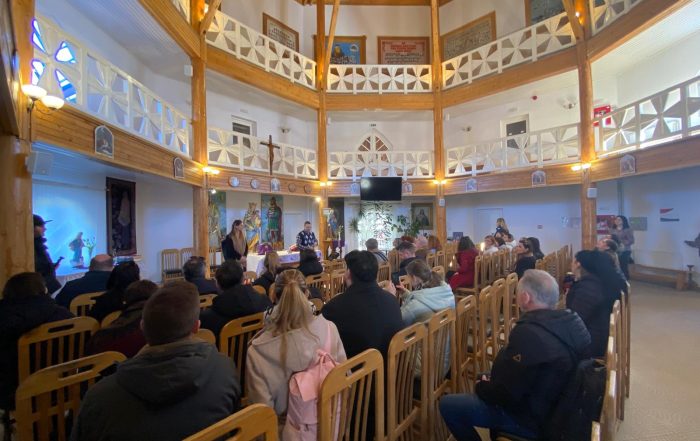
The professional visit organized under the EASI and AVETE projects served the preparation of student mobility programmes
Nearly forty international partners arrived in Harghita County to discuss the development of vocational education student mobility.
Representatives of the Harghita County Council hosted the international partners of the EASI and AVETE projects on March 10–11 during a joint professional visit. The two initiatives are implemented with the support of the Erasmus+ programme and aim to develop international mobility in vocational education and training.
During the two-day professional meeting, representatives of partner institutions from Greece, Hungary, Georgia, Slovenia, Slovakia, and Vojvodina participated, with a total of around 40 attendees. The aim of the programme was to prepare the student mobilities planned within the projects, strengthen cooperation between sending and host institutions, and share good practices in work-based learning.
During the event, participants became familiar with the locations and institutions involved in implementing the mobility programmes. The delegation visited Garden Proiect in Mădăraș and the Gyimes Open-Air Museum, which will host international students for traineeships in the future, as well as the Saint Elizabeth of Hungary Roman Catholic High School in Lunca de Sus, which will send students abroad for professional experience within the project.

During the professional discussions, partners reviewed in detail the mobility programmes to be implemented in the near future. Within the EASI project, four students from Slovenia will arrive in Miercurea Ciuc this spring for their traineeships, gaining professional experience at Garden Proiect and Levobit in the fields of computer numerical control (CNC) machining and IT. At a later stage, two additional students will join the programme. As part of the project, during the summer, six students from Harghita County will travel to Greece, where they will complete a three-month traineeship in the tourism sector. Prior to the programme, participants will take part in language and cultural preparation.
The AVETE project focuses on the development of long-term ErasmusPro mobilities in the tourism sector. According to plans, in the summer of 2026, between June and September, six students from Serbia will arrive in Harghita County for traineeships, while six local students studying tourism will gain professional experience in Slovakia within a 90-day mobility.
Through the implementation of the projects, Harghita County Council actively contributes to strengthening international cooperation in vocational education and training and to supporting young people in gaining professional experience abroad. Within the EASI project, the county council’s budget amounts to 157,279 euros, while in the AVETE project it is 150,870.89 euros, with 80% of the funding provided by European Union sources and 20% as co-financing.
During the meeting, partners also discussed that the next international partner meeting of the projects is expected to be organized in Miercurea Ciuc in May 2026, providing another opportunity to deepen cooperation and further develop these mobility programmes.
Miercurea Ciuc, March 13, 2026.
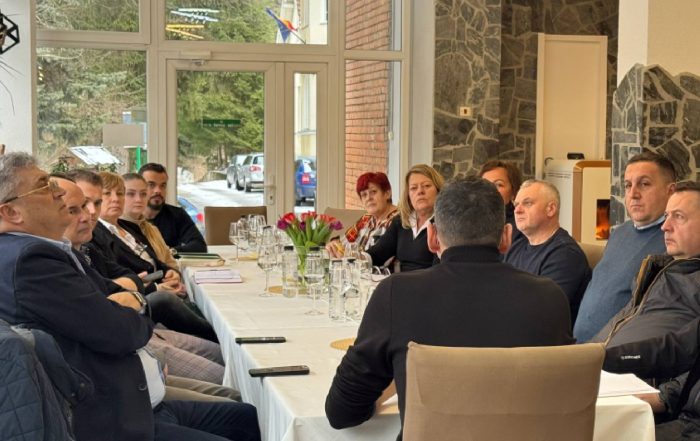
Applications now open for the Myrmidone Certification and Open Farm Program
The Harghita Community Development Association (Visit Harghita) continues preparations for 2027, when Harghita County will hold the title of European Region of Gastronomy. The partnership opportunities presented at the end of February were showcased at several locations.
Meetings were held with tourism entrepreneurs in Băile Tușnad, Gheorgheni, Miercurea Ciuc, and Odorheiu Secuiesc, where detailed information was shared about three key initiatives: the Signature Dish list, the Myrmidone (butterfly) certification system, and the Open Farm program. Participants were able to ask questions and receive all necessary information regarding the conditions for joining.
The Signature Dish is a selection of Harghita County’s characteristic flavours, resulting from professional and community collaboration connected to the European Region of Gastronomy 2027 title. The list was compiled based on survey responses and joint evaluation by twelve chefs, featuring dishes and desserts that reflect traditions passed down through generations, the county’s cultural diversity, and authentic flavours. The program aims to present the region’s gastronomy in a unified way, encourage cooperation between local producers and hospitality venues, and increase the visibility of local ingredients and dishes. During the presentations, participants were also invited to contribute to the selection.


The Myrmidone (butterfly) certification system is linked to the Signature Dish program and recognizes hospitality venues that base their offerings on local ingredients and traditional flavours. Certification requirements include cooperation with local producers, offering Signature Dish items, reducing food waste, and, where possible, using ingredients sourced within a 100-kilometer radius. The system is named after the critically endangered Myrmidone butterfly (Colias myrmidone), which occurs in only three European countries – Poland, Slovakia, and Romania. Within Romania, it is found in only two regions, including the area around Gheorgheni and Gheorgheni-Șumuleu (Kürücök Valley), highlighting Harghita Cou nty’s valuable natural environment.
The Open Farm program offers local farms, agricultural operations, and food producers the opportunity to host visitors by prior arrangement. Guests can directly meet producers, gain insight into the daily operations of farms, and experience firsthand the production of local products. Participants also offer programs during the Open Farm weekends, organized twice annually.
Applications for both the Open Farm program and the Myrmidone certification are open until May 22. Application forms are available for both programs (Myrmidone Certification, Open Farm), and participation requires compliance with the criteria system (Myrmidone Certification, Open Farm) and the Code of Conduct.
Units that successfully apply for the Myrmidone certification or Open Farm program will be included on Harghita County’s gastronomic map (printed and online), featured prominently on Visit Harghita platforms, included under the Harghita – European Region of Gastronomy 2027 section, and will be able to use the relevant logos, including the European Region of Gastronomy 2027 logo. A full list of the benefits of joining is available on the second page of the criteria system.
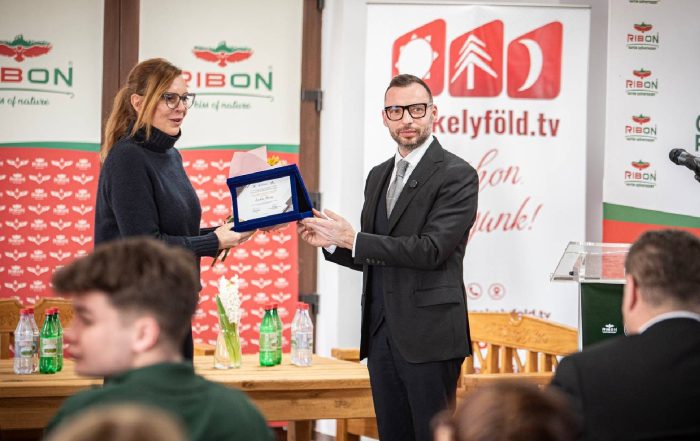
Marcsi Borbás becomes Honorary Ambassador of Harghita County
The County Council aims to build a professional network actively involved in promoting the county in preparation for 2027
The Harghita County Council, through the Harghita Community Development Association (Visit Harghita) and its partners, continues preparations for 2027, when Harghita County will hold the title of European Region of Gastronomy. In this context, a year ago, the county appointed its first honorary ambassador, tourism marketing expert Răzvan Pascu. At that time, Barna-Botond Bíró, President of the Harghita County Council, emphasized that the institution appoints tourism ambassadors to support efforts related to the 2027 Gastronomy Year, enhancing Harghita County’s visibility through their professional experience.
Continuing this initiative, during the IX International Horticultural Professional Days and Conference organized by Garden Proiect – held on Friday, February 27, in Miercurea Ciuc – Barna-Botond Bíró invited Marcsi Borbás to become Harghita County’s honorary tourism ambassador. The decision was motivated by her work and recognition in promoting gastronomy and culinary culture, making her a suitable and authentic representative of the county in this field.
The appointment continues the initiative launched last year, aiming to build a professional network actively engaged in promoting the region in preparation for 2027.

“In Harghita County, we build on partnerships, and the fact that we will be the European Region of Gastronomy in 2027 is not a privilege that came out of nowhere, but the result of nearly ten years of dedicated work. We want to show that we are not going to become a land of fairy tales; we already are. It is a matter of mindset— a value-creating community has no reason to be ashamed. In the coming period, our task will be to strengthen the professional partnerships built by the Association of Székely Farmers’ Organizations, hospitality operators, guesthouse owners, the academic community, and our tourism ambassadors. We will have two tourism ambassadors. Two, because we are a community that can count on the support of two governments. It is important not to focus on negatives. It is important that representatives of the Hungarian community are present in Bucharest, and government presence is especially important in difficult times. At the same time, it is important that Hungary has a national government that thinks in terms of the nation, not borders. A nation has no borders, and we can count on the support of both governments. We are a special community in Europe, and if we recognize this, one of the key tasks ahead is strengthening communal self-esteem. Where there is community self-esteem, there is economic power, a future, and young people do not only ask questions—they see opportunities. Last year, we invited Răzvan Pascu as our first tourism ambassador, and he accepted. When we issue invitations, we look for credible personalities who deeply know and represent gastronomic culture, who are followed on digital platforms, who know and love Harghita County and its local flavours, and for whom a tradition-based value system is fundamental. That is why we invited Marcsi Borbás as our second and final tourism ambassador, and I thank her for accepting. She is a defining figure of Hungarian gastronomic culture, who loves our community, conveys values, and shows how traditions can be presented to the world in a modern language.”

Borbás Marcsi is an editor and television producer who brings the simple values of everyday life closer to the audience with authenticity and warmth: the joy of gardening, the flavours of the kitchen, and the magic of home. Known from her TV shows and gastronomic projects, she offers her followers an inspiring perspective on daily life.
Marcsi Borbás said:
“It is a great honour for me to receive this invitation, and since I was invited to a horticultural conference, I would compare the preservation of gastronomic heritage to a tree. Half of my heart is in Transylvania. When I began seriously collecting Hungarian heritage thirty-three years ago and traveled through the villages, I saw that where this heritage still lives, not merely in preserved form, that is Transylvania. So here it really is a land of fairy tales. I completely agree. People need to know that there is no need to create a land of fairy tales here, just preserve it. Here the roots of the trees are still strong. In Hungary, it was harder, but I managed to reach the last generation who still held this knowledge and preserve what they knew. But here it still exists—not only among the older generation, but also among the youngest, even teenagers. This is an extraordinary sustaining force. If you look around Europe, this is the only place where you don’t need to search: you get in a car, and by the time you reach Csík, you see scenes that are now sadly exotic. Yesterday, for example, I saw a little girl running in the yard and herding geese. You don’t see this in Europe anymore. We just need to preserve what exists and be happy that it still lives here. And show it to the world. Come here! Here you can taste geese, vegetables, polenta, lamb that were not raised in industrial complexes but in nature. Here, you don’t need to search for what is natural. You just have to accept what nature provides because it still exists here. That is why representing all this is the simplest thing in the world; we only need to draw attention to the fact that it’s worth coming because there is still clean water, clean air, clean food, and clean spirit. We just need to realize and rejoice that all this still exists. I sincerely thank you for letting me represent all this in 2027.”
The title of European Region of Gastronomy promotes the community achievements and initiatives of a region, providing international visibility and development opportunities for local tourism and gastronomy stakeholders.

Harghita County prepares for the 2027 Gastronomy Year involving local stakeholders
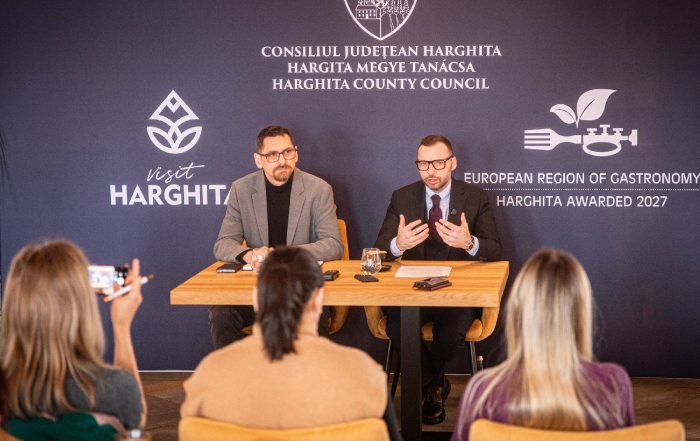
Programs aimed at presenting partnership opportunities and strengthening local gastronomic values were introduced at a press conference organized by the Harghita County Council on February 24, 2026, at the Hungaro Residence restaurant in Miercurea Ciuc, as part of the preparatory process following the awarding of the title of European Region of Gastronomy 2027.
The press event focused on initiatives through which local hospitality operators, producers, tourism service providers, civil organizations, and public institutions can actively participate as partners in the 2027 program. As is known, Harghita County will hold the title of European Region of Gastronomy in 2027, awarded by the International Institute of Gastronomy, Culture, Arts and Tourism (IGCAT) to communities that pay special attention to preserving their gastronomic heritage, developing local and sustainable food chains, and strengthening related tourism.
According to Barna-Botond Bíró, President of the Harghita County Council, in 2027 gastronomy will be the common language through which Harghita County’s past, values, communities, and future can be simultaneously showcased to Europe.
“The fact that Harghita County can hold the title of European Region of Gastronomy is the result of long-term, consistent work and proof that developing tourism and strengthening our local identity is a shared responsibility. The title not only brings international visibility for us but also offers an opportunity to build a strong professional network, create a gastronomic offer that consistently represents high quality, and strengthen local communities that proudly and authentically represent Harghita County. Our goal is for every local actor—from producer to hospitality provider—to become an ambassador for Harghita County through their services and together reinforce our identity as part of the European community, in flavours, traditions, and trust in the future.”

The coordination of preparations for holding the title is carried out by the Harghita Community Development Association (Visit Harghita). At the press conference, tools and programs were presented that serve to build the partnership system and involve local stakeholders.
As part of this, an informational handbook related to the European Region of Gastronomy 2027 program was prepared, providing detailed guidance on participation conditions, forms of partnership, and benefits of involvement. The document aims to provide a unified framework for all businesses and organizations contributing to the development and promotion of Harghita County’s gastronomic offer. A related code of conduct was also created, outlining the principles and professional standards that partners joining the program must follow.
“Work for the European Region of Gastronomy 2027 title began in 2023. Since then, active background preparation has been underway. Our goal is for the programs launched now to not only strengthen the 2027 year but also contribute long-term to Harghita County’s tourism development, reinforce cooperation between local producers and hospitality actors, and ensure the county becomes known as a sustainable, high-quality, and authentic gastronomic destination.”
– said Károly Szabó, Executive Director of the Harghita Community Development Association.

New initiatives to strengthen local gastronomic values
The press conference highlighted three main topics, which include selecting and promoting the county’s characteristic dishes, rating local hospitality establishments, and providing direct presentation opportunities for farms and producers.
The Signature Dish is a selection of Harghita County’s distinctive flavours, resulting from professional and community cooperation related to the European Region of Gastronomy 2027 title. The list was compiled based on a questionnaire survey and the joint evaluation of twelve chefs, and includes dishes and desserts reflecting traditions passed down through generations, the county’s cultural diversity, and authentic flavours. The program aims to present the region’s gastronomy uniformly, encourage collaboration between local producers and hospitality establishments, and increase the visibility of local ingredients and dishes.
The Myrmidone (orange butterfly) rating system is directly connected to the Signature Dish program and recognizes hospitality establishments offering a conscious gastronomic offer based on local ingredients and traditional flavours. Requirements for the rating include, among others, collaborating with local producers to include Signature Dish items in the menu, striving to reduce food waste, using ingredients sourced within a 100-kilometer radius, etc. The rating is named after the critically endangered orange butterfly (Colias Myrmidone), which occurs in only three European countries—Poland, Slovakia, and Romania—and in Romania is found only in two areas, including the border of Gheorgheni and Gheorgheni-Sânmărtin, in the Kürücök Valley. Its presence proves that Harghita County’s natural environment remains particularly valuable today. This clean, living environment is not only a heritage to be preserved but also manifests in the quality of local ingredients and the region’s gastronomy.
The Open Farm program offers local farms, agricultural producers, and food processors the opportunity to showcase their values to visitors in an organized and safe way. Participating units receive visitors by prior appointment, allowing them to meet producers directly, gain insight into daily activities, and experience first-hand how local ingredients and products are made. The program guarantees a quality experience and appropriate infrastructure, hygiene, and safety conditions. Open Farm participants will also be partners in the Open Farm weekend, which the coordinator plans to organize twice a year. During these weekends, each Open Farm will host special programs for visitors, thereby strengthening the direct connection between local producers and the public.
The presented programs represent an important milestone in preparations for 2027 and contribute to ensuring that Harghita County’s gastronomic and cultural values are showcased in a coordinated manner both nationally and internationally. Detailed information, criteria, and application forms are available on the Visit Harghita website and app.
European Region of Gastronomy
European Regions of Gastronomy (candidates and awardees), selected and guided by IGCAT, aim to contribute to the quality of life of their citizens by emphasizing the importance of cultural and gastronomic uniqueness, while also:
- Encouraging creativity and gastronomic innovation,
- Providing intellectual nourishment for children and adults through culinary education,
- Improving the quality of sustainable tourism,
- Strengthening circular economies in both urban and rural environments,
- Supporting the well-being and health of communities and the environment.
IGCAT provides the award with the support of international and European institutions. Regions also join the world platform of awarded and candidate Gastronomic Regions to promote long-term benefits, increase international visibility, and support knowledge sharing.
The European Region of Gastronomy title recognizes communities (cities, counties, regions, islands, or countries) that emphasize their gastronomic heritage through community collaboration under the principles of sustainable development. It places particular importance on preserving and protecting local foods, beverages, agricultural products, as well as cultural and natural values.
The title is an acknowledgment that widely promotes the region’s achievements, programs, community cooperation, and responses to future challenges but does not come with a monetary prize.
Members of the Harghita County Consortium:
- Harghita County Council
- Harghita Community Development Association (Visit Harghita)
- Miercurea Ciuc City Hall
- Odorheiu Secuiesc City Hall
- Gheorgheni City Hall
- Sapientia EMTE, Miercurea Ciuc Faculty
- Páva KulinarIQum Association
- Boro Info
- Honline Media (Székely Kitchen and Garden)
- Association of Miercurea Ciuc Hospitality Providers
- Pro Economica Foundation
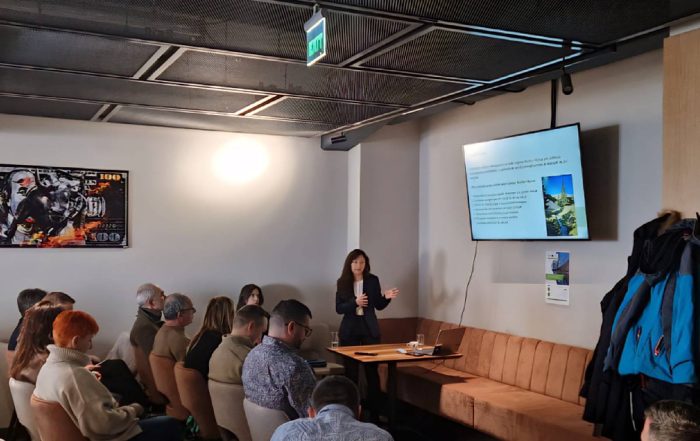
Stakeholder meeting on the development directions of the Hășmaș Mountains area within the framework of the CIBioGo project
Ghimeș-Făget hosted a local stakeholder meeting on February 18, 2026, organized within the framework of the CIBioGo – Citizen Participation in Biodiversity Governance (Interreg Europe) project.
The event was of particular importance, as the project has reached the final stage of the learning and interregional exchange process. Based on the international professional consultations and the transfer of good practices carried out in recent months, policy and development proposals have been outlined, which are intended to be integrated into the Master Plan for the Hășmaș Mountains area, developed by the Intercommunity Development Association of the Hășmaș Mountains area.
The aim of the meeting was, on the one hand, to present the amendment proposals grounded in the learning process, and on the other hand, to jointly discuss practical implementation possibilities, with particular regard to biodiversity conservation and strengthening community participation. At the same time, additional development ideas regarding the future of the area have emerged in recent months, which were also reviewed and discussed during the event.
During the discussions, it was emphasized that the area’s greatest value is not only its spectacular mountainous landscape, but the entire living environment and ecosystem that constitute it. Its protection, sustainable use, and promotion can provide a stable foundation for long-term development. Experts highlighted that the Master Plan must be prepared for the impacts of climate change, with particular attention to increasing the resilience of forest stands, supporting natural forest development processes, and strengthening the framework for sustainable tourism.

During the stakeholder consultation, development proposals formulated for different sub-areas were presented, focusing on the expansion of tourism infrastructure, the creation of educational trails and viewpoints, the development of ecotourism routes, as well as the establishment of community and educational facilities. Special attention was given to the development of cycling and hiking routes, the construction of springs and rest areas, and the renovation and sustainable use of attractions related to cultural and natural heritage.
During the consultation, it was also raised that, in addition to modifying the content of the strategic document, it may be necessary to review the related legal and management frameworks in order to ensure that the planned measures can be implemented in practice.
The event contributed to strengthening the long-term, sustainable development directions of the Hășmaș Mountains area, as well as to the active involvement of local communities and stakeholders in the preservation and promotion of biodiversity values.
In the implementation of the CIBioGo project, Harghita County Council participates together with partner institutions representing six European Union regions, coordinated by an Italian lead partner. The project consists of a 36-month main phase, complemented by a 12-month follow-up period. The cooperation, running until February 2026, aims to develop regional policy instruments through the introduction of structured participatory methods, involving citizens and stakeholders in the fields of biodiversity and ecosystem services. Within the project, Harghita County Council targets as a local policy instrument the Master Plan developed by the Intercommunity Development Association of the Hășmaș Mountains area, into which both the professional lessons learned from international exchange and the results of local consultations are incorporated.
Miercurea Ciuc, February 20, 2026.

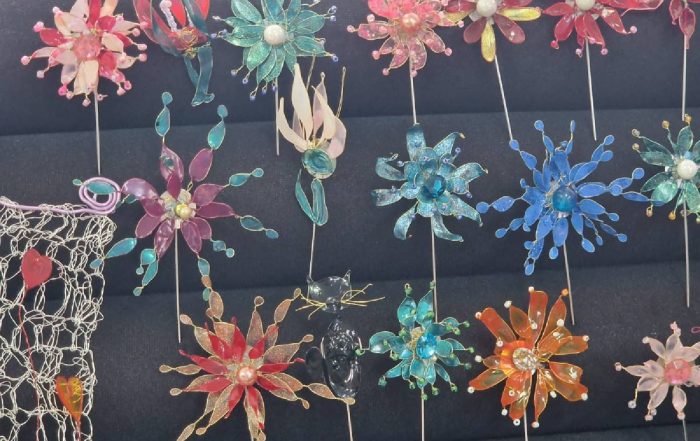
International experience and local cooperation for the development of the social economy in Harghita County
Discussions on the development of the social economy, the opportunities in Harghita County, and the integration of international good practices into local decisions and programmes took place at a stakeholder meeting held in Miercurea Ciuc at the sewing workshop of the Right Association on February 17, organized by the Harghita County Council.
The meeting was organized within the SECON – Social Economy Regional Policies international project, implemented through the Interreg Europe programme, in which Harghita County Council is a partner. The project aims to make regional policies supporting the social economy more effective and transparent. The work focuses on several areas, including the involvement of stakeholders, increasing the visibility of the social economy, creating a favorable policy and legal environment, improving financing opportunities, as well as strengthening impact measurement and social innovation.
The sixth stakeholder meeting within the project was held at the Right Association, with the participation of representatives of social enterprises, civil society organizations, and public institutions. The civil organization based in Miercurea Ciuc supports the social and labor market integration of disadvantaged groups through its activities and programmes, and serves as a good example of how the social economy can create real opportunities. During the visit, discussions addressed the challenges faced by social economy actors in their daily work, including administrative burdens and financing issues. Participants concluded that the development of the social economy must be a conscious process based on cooperation.
Within the framework of the project, the next international meeting will be held in April 2026 in Mannheim, where the focus will be on monitoring, data-driven decision-making, social innovation, and start-up support. These experiences may also be useful for Harghita County.

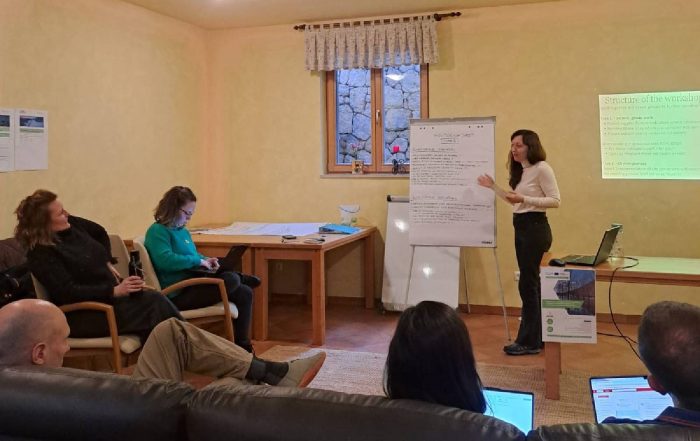
International cooperation for biodiversity governance based on community participation
Harghita County’s participation in the CIBioGo project meeting in Slovenia
On January 27–28, the thematic and Steering Group meeting of the international project CIBioGo – Citizen Participation in Biodiversity Governance, supported by the Interreg Europe programme, took place in Pokljuka, Slovenia. Harghita County Council was also represented at the event by the designated project team.
The two-day professional programme focused on reviewing the project’s results to date, presenting policy developments, and discussing methodological approaches for their monitoring. Participants paid special attention to how good practices that strengthen community participation can be integrated into regional and local development policy instruments.
The meeting was accompanied by workshops and joint professional consultations, providing an opportunity for experience exchange among partner regions and for jointly rethinking applicable solutions. As part of the programme, a field activity also took place, contributing to the direct understanding of the natural environment and to demonstrating practical approaches to biodiversity management.
The participation of Harghita County Council aligns with the county’s efforts to support the development of strategic documents related to the Hășmaș Mountains area, as well as to actively involve local communities in the preservation of natural values. In the next phase of the project, the focus will be on the local adaptation of good practices.
General information about the project can be found in the following video:
https://www.youtube.com/watch?v=f8Hj5hKjLzs
Miercurea Ciuc, February 4, 2026.


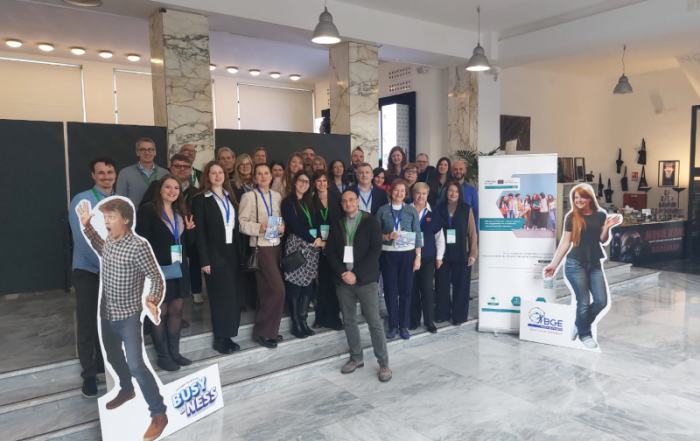
European good practices – with the active participation of Harghita County
Representatives of the Harghita County Council participated in the fourth international meeting of the SEE – Sustainable Entrepreneurship Education project, held in Rome on January 20–21, implemented with the support of the Interreg Europe Programme. The event was organized by the Lazio Region, with the participation of France, Belgium, Germany, Latvia, Poland, Italy, and Romania.
The main objective of the meeting was to share and disseminate good practices in the field of entrepreneurship education, with a special focus on the use of digital tools, game-based learning methods (gamification), and innovative educational approaches that support the development of young people’s transversal skills.
The first day of the event focused on presenting good practices developed in the partner regions. Initiatives were introduced that contribute to talent identification and the development of entrepreneurial competences through video games and digital simulations, as well as those applying experiential learning methods by simulating business environments and integrating innovative approaches, including the use of artificial intelligence and cooperation between educational and economic stakeholders.
The delegation of Harghita County also contributed to the professional exchange of experience with its own presentation, showcasing the “Leader” board game developed by the Spektrum Educational Center. This cooperation-based gamification tool supports the development of key entrepreneurial competences – such as strategic thinking, communication, leadership skills, and problem-solving – in line with sustainable development goals.
The second day’s programme included a study visit to the Lazio Open Innovation Center (LOIC) in Zagarolo, which operates as a regional center of excellence in the fields of innovation, business development, and creative industries. Participants were introduced to successful start-up support and youth entrepreneurship programmes, as well as educational and digital projects of regional importance. In addition, a design thinking workshop was held, examining the future role of gamification in entrepreneurship education for young people.
Participation in the event provided valuable professional guidance for Harghita County in adapting European good practices to the local context, contributing to the modernization of educational approaches and the strengthening of the county’s entrepreneurial ecosystem.
Miercurea Ciuc, January 29, 2026.
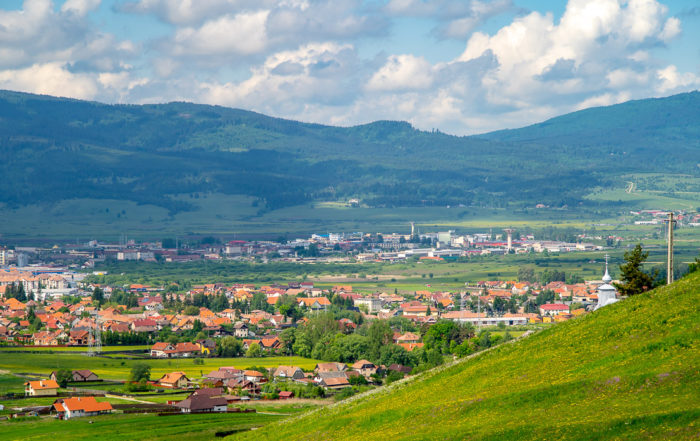
Settlements of Harghita County
MIERCUREA CIUC – COUNTY-RANK CITY
Miercurea Ciuc
Csiba
Harghita-Băi
Jigodin-Băi
ODORHEIU SECUIESC – COUNTY-RANK CITY
Odorheiu Secuiesc
GHEORGHENI – COUNTY-RANK CITY
Gheorgheni
Covacipeter
Vargatag
Visszafolyó
Lacul Roșu (Red Lake)
TOPLIȚA – COUNTY-RANK CITY
Toplița
Magyaros
Moglănești
Secu
Zsákhegy
Luncani
Vălcelele
Vugănești
Călimani
Kelemenpatak
BĂLAN – TOWN
Bălan
BORSEC – TOWN
Borsec
CRISTURU SECUIESC – TOWN
Cristuru Secuiesc
Filiaș
Betfalva
SÂNGEORGIU DE PĂDURE – TOWN
Sângeorgiu de Pădure
Băile Homorod
Lövéte Mine
BĂILE TUȘNAD – TOWN
Băile Tușnad
Kárpitus Mine
COMMUNES
BILBOR COMMUNE
Bilbor
Răchitiș
MUGENI COMMUNE
Mugeni
Székelymagyaros
Béta
Décsfalva
Székelydobó
Agyagfalva
Mátisfalva
Vágás
CICEU COMMUNE
Ciceu
Ciaracio
DĂNEȘTI COMMUNE
Dănești
MĂDĂRAȘ COMMUNE
Mădăraș
PĂULENI-CIUC COMMUNE
Păuleni-Ciuc
Delnița
Csomortan
RACU COMMUNE
Racu
Gârciu
SÂNDOMINIC COMMUNE
Sândominic
SÂNCRĂIENI COMMUNE
Sâncrăieni
Menasag
Menasag Nou
Bancu
Ciobanis
Cotor
Egerszek
Gyürke
Pottyond
SÂNTIMBRU COMMUNE
Sântimbru
Băile Tușnad-Büdös
SÂNCOLIUS COMMUNE
Sâncolius
SÂNLEȚI COMMUNE
Sânleți
Fitod
Hosszúaszó
Mindzent
SÂNMARTIN COMMUNE
Sânmartin
Ciceu-Ciuc
Valea Uzului
SÂNMIHAI COMMUNE
Sânmihai
Ajnád
Văcărești
Lăzarea
SÂNSIMION COMMUNE
Sânsimion
Csatószeg
SÂNTOMA COMMUNE
Sântoma
ATID COMMUNE
Atid
Corundel
Cușmed
Inlăceni
Siclod
FARKASLAKA COMMUNE
Farkaslaka
Szentlélek
Bogárfalva
Firtosváralja
Nyikómalomfalva
Kecset
Székelypálfalva
Szencséd
Kisfalud
FELICENI COMMUNE
Felicieni
Săndulești
Arvățeni
Șoimuș
Fărcaș
Hoghia
Ocland
Székelylengyelfalva
Bikafalva
Telekfalva
Patakfalva
FELICENI COMMUNE
Feliceni
Küküllőkeményfalva
GALĂUȚAȘ COMMUNE
Galăuțaș
Szérüsdomb
Galăuțaș-Pârâu
Nuceni
Jigodin
Toleseni
Perlaca
Zapogea
GHEORGHENI COMMUNE
Gheorgheni
Borzont
Bucin
CIOBANESTI COMMUNE
Ciobanesti
DITRĂU COMMUNE
Ditrău
Orotva
Cengellér
HODOȘA COMMUNE
Hodoșa
Hollósarka
REMETEA COMMUNE
Remetea
Chichibu
Esenyő
Mártonka
SĂRMAȘ COMMUNE
Sărmaș
Gyergyóhodos
Runc
Platonești
Fundalja
SUBCETATE COMMUNE
Subcetate
Hăghig
Pintic
Recea
VALEA STRÂMBĂ COMMUNE
Valea Strâmbă
Chileni
Liban
Szenéte
Valea Întoarsă
LUNCA DE SUS COMMUNE
Lunca de Sus
Comiat
Sântatelec
Nyíresalja
Görbepataka
Ugrapataka
LUNCA DE JOS COMMUNE
Lunca de Jos
Barackospatak
Bükkhavaspataka
Farkaspalló
Borospatak
Căpolnapataka
Sötétpatak
Antalokpataka
Hidegségpataka
HOMOROD COMMUNE
Homorod
MARTINIȘ COMMUNE
Martiniș
Abásfalva
Băi
Remetea Homorodului
Kénos
Kénosfalva
Gyepes
Locod
Vărosfalva
Sânpetru Homorod
Recea
Sânpaul Homorod
CĂNIȘOARA COMMUNE
Cănișoara
Dăile
Iașu
Ege
Miclăușeni
Abrănești
Petec
Sânlăzăr Homorod
CĂPÂLNIȚA COMMUNE
Căpâlnița
CIUCIU COMMUNE
Ciuci
Jenőfalva
KASZONALTIZ COMMUNE
Kaszonaltiș
Kaszoni Nou
Kaszoni Iacobeni
Kaszoni Imper
Kaszoni Feltíz
CORUND COMMUNE
Corund
Atia
Calonda
Fenyőkút
Pálpataka
COZMA COMMUNE
Cozma
Lazăr
LUETA COMMUNE
Lueta
Băile Chirui
MĂDĂFALĂU COMMUNE
Mădăfalău
MĂRTINIȘ COMMUNE
Mărtiniș
OROȘENI COMMUNE
Oroșeni
Székelyfancsal
Székelyszentkirály
Székelyszenttamás
Tibod
Üknyéd
Ülke
PRAID COMMUNE
Praid
Békástelep
Bucin
Ocna de Jos
Ocna de Sus
Sásveres
ANDREIȘENI COMMUNE
Andreișeni
Solymos Mare
Solymos Mic
Székelyhidegkút
Újlak
SIMONEȘTI COMMUNE
Simonești
Bencéd
Cădaciu Mare
Cădaciu Mic
Cehețel
Kede Mare
Kede Mic
Cobătești
Medesér
Székelyszentmihály
Székelyszentmiklós
Rugonfalva
Tarcsafalva
Tordátfalva
DÂRJIU COMMUNE
Dârjiu
Mujna
VÂRȘAG COMMUNE
Vârșag
AVRĂMEȘTI COMMUNE
Avrămești
Măgura
Ciceu
Firtosmartonos
Gagy
Firtosiláz
Solymosiláz
Kismedesér
SÂNPAUL COMMUNE
Sânpaul
Borșova
Bükkloka
Sânmihai
TUȘNAD COMMUNE
Tușnad
Tușnadu Nou
Verești
ULIES COMMUNE
Ulieș
Alsóboldogfalva
Székelyszenterzsébet
VĂRGHIȘ COMMUNE
Vărghiș
Călna
Duda
Filpeș
VOSLĂBENI COMMUNE
Voslobeni
Izvoru Mureșului
ZETEA COMMUNE
Zetea
Deșag
Ivo
Câmpul Târnavei
Sikaszo
Zetea Valley
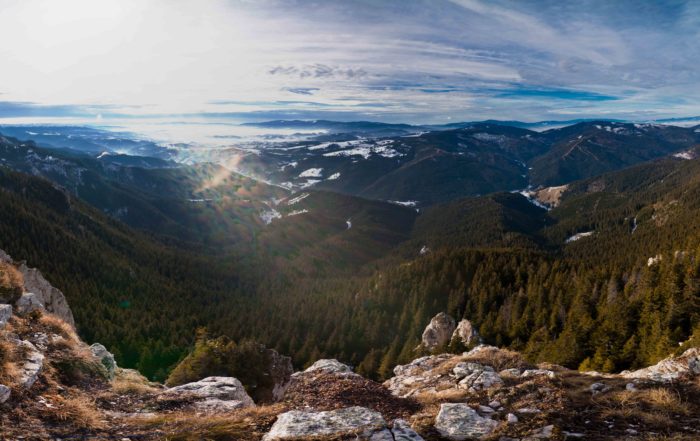
Geographical description
Hargitai “card index”
What do the data say about a county?
The same as a card index does about a person—everything and nothing. They flash the essence, but only point to what is unique and intangible.
About Harghita County we can write that it is located in Romania, in the eastern part of Inner Transylvania; it is no secret either that its area is 6639 square kilometers, with a population of 310867 in 2011.
It is customary, as card-index data, to list its 9 towns—4 of them municipalities—its 58 communes, and its 236 villages. When it was established in 1968, its chosen name was not ancient, yet it refers to the Harghita Mountains, where the county’s second-highest peak rises (Madarasi-Harghita, 1801 m); the highest peak as well, Rekettyés (Călimani Mountains, 2021 m), rises only slightly above that.
From here we can already descend into the depths, for even if the mountain range forming the county’s backbone—and the central group of the Eastern Carpathians marking its eastern border—has further peaks, the western part of the county is made up of gentler, rolling hill country (Udvarhely). Moreover, an important thread in the county’s life is the “Székely chain of basins,” which, from north to south, fits into a unified whole with ever more spacious basins along the Bélbor–Borsec–Gyergyó–Csík line.
Harghita County is at once gentle and harsh, depending on where one lives—closer to the sky or farther from it, within the gravitational pull of economic and social hubs, or sustained by the sparser but purer air of wise seclusion. Its climate can be described as temperate continental; winds usually blow from the west, yet Romania’s cold pole is also found here: Gyergyóalfalu, while Miercurea Ciuc at times competes for the primacy of −40°C, with alternating chances. Snow often lingers for 120–150 days, so the water balance is very rich. On the one hand, the sibling rivers rising within easy reach—the Mureș and the Olt—and on the other, the livable valley belts formed along the Târnava and Homorod rivers make this corner of the country attractive and sustaining.
Owing to the volcanic origin of its mountains, alongside extraordinary natural beauties—such as Lake Saint Anne, a crater lake in the Ciomad, or the Mohos peat bog—its hundreds of mineral water springs, together with its human reserves of value, are all riches that remain sources of local self-awareness and legendary Székely pride to this day. This is complemented, with its own history and scenery, by Lake Roșu (Red Lake) and its surroundings, offering on a platter the blessings of hopes invested in tourism for the region.
It does not lack flora and fauna, yet the rural climate of Harghita treats cultivated crops somewhat harshly; due to relatively little sunshine, a good portion of vegetables and fruits travels to the county’s markets from gentler, more generous regions. Potatoes, however, remain faithfully at the side of the people of Harghita and, as a useful barter good, not infrequently help out in times of need.
According to the eternal law of give and take, Harghita County gladly hosts its visitors, shares its natural and cultural values with them. The several hundred listed monuments can be admired and appreciated—indeed, even preserved—pleasant memories can be gained from its thermal baths and health resorts, lasting impressions from its customs and traditions, its cuisine—very tasty even in its simplicity—and from Székely hospitality.
The drive to create value is gaining ever more ground on both sides of Harghita; alongside technical progress, science, and the many indispensable challenges of the modern age, wood, construction raw materials, clay, and salt still represent this region’s “trump cards.”
It is in the nature of a card index that the data sheet fills up quickly; renunciation of completeness is already lodged in the text at birth. Yet every datum and sign finds its place in it with the hope that, behind the images lined up in the volume, the promising face of the Harghita people’s livable everyday life will come into view.
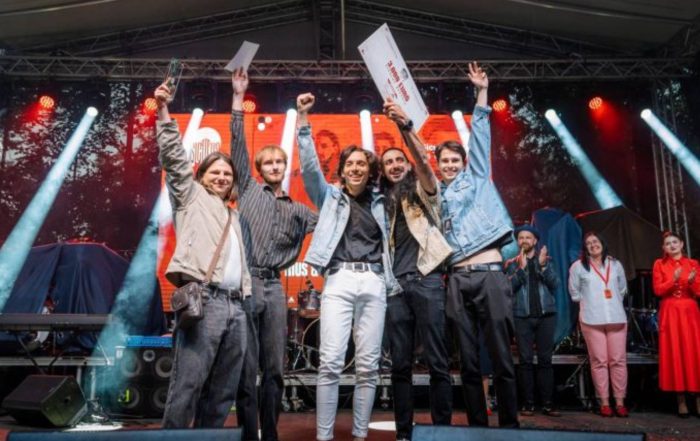
Cultural events contribute to the preservation of traditions, the education of young people, and the promotion of authentic values
More than 80,000 people showed interest in the events organized by the Harghita County Tradition Resource Center
Over the past year, the Harghita County Tradition Resource Center, a subordinate institution of the Harghita County Council, focused its activities on documenting, preserving, and promoting the authentic values of local cultural heritage. Its goal was to strengthen regional cultural identity and to expand the community’s access to cultural life.
According to Izabella Bartalis, director of the Harghita County Tradition Resource Center, their aim was not only to promote cultural programs but also to improve their diversity and quality, expand institutional collaborations at the county, national, and international levels, engage young audiences, and build a loyal audience committed to traditional culture. At the same time, special emphasis was placed on developing online communication and increasing the institution’s visibility through media partnerships.
Over the past year, the cultural centre organized large-scale festivals and events, ethnographic and traditional art exhibitions, publishing programs and book launches, educational activities, craft workshops, and audiovisual productions on ethnographic topics.
In 2025, more than 60 cultural programs were organized, including around 15 festivals and major events, more than 20 exhibitions and public presentations, approximately 15 educational programs and workshops, and over 10 book launches, screenings, and other publishing events.
Highlighted events included the Siculus Festival, Secler Days, and the Transylvanian Dance House Meeting, which attracted thousands of participants and significantly contributed to promoting the county’s traditional values.
According to data provided by Izabella Bartalis, the estimated total number of participants in the programs organized in 2025 exceeded 80,000, including both audiences present in person at events and those reached via online platforms.
The target audience of the programs was extremely diverse: children and students, young people, families, teachers, cultural professionals, artisans, as well as the general public interested in traditions and local identity. The activities had a significant impact on the community, strengthening the sense of belonging, expanding access to culture, encouraging intercultural dialogue, and contributing to promoting Harghita County as an active and attractive cultural space.
Feedback from the community was overwhelmingly positive, as reflected in the continuous growth in participant numbers, lively interactions online, and numerous requests to repeat and expand successful programs.
In parallel, the Harghita County Tradition Resource Center also participated as a partner in other cultural projects in the Udvarhely region. In total, they supported 30 cultural projects, worth 372,000 lei. These included “In the Footsteps of the Values of the Gagy Stream Valley,” the “Slam Poetry Championship,” and the “dramaMA” contemporary theatre festival.
The list of winning projects in the Udvarhely region can be found at the following link: https://hagyomany.ro/palyazatok/
– The Harghita County Tradition Resource Center is a custodian of cultural memory and local identity. Through our activities, we strive to contribute to the preservation of traditions, the education of young people, and the promotion of Harghita County’s authentic values – stated Izabella Bartalis.
Through its events and programs, the Centre continues to play a key role in the cultural development of Harghita County, providing the community with identity, continuity, and dialogue between the past, present, and future.


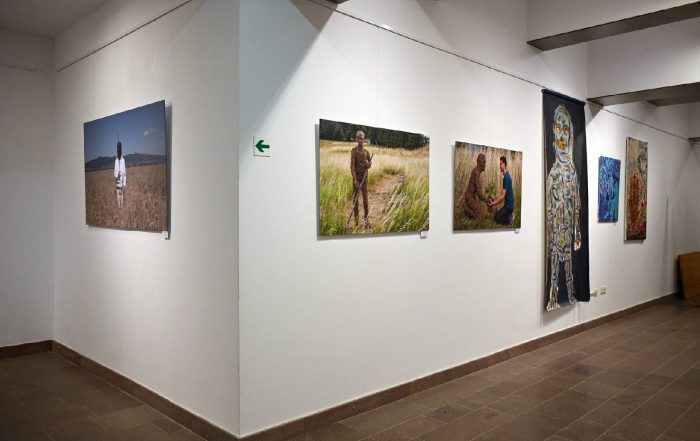
Nearly 3,700 visitors attended the exhibitions organized by the Cultural Center of Harghita County in 2025
As is known, the County Hall Gallery and the ground-floor exhibition space of the County Hall had to find a new location from May this year due to the building’s energy renovation works. The exhibitions found a home in several locations.
During this year, within the framework of the Exhibition Program, the Cultural Center of Harghita County organized a total of 19 visual arts exhibitions across seven fields: painting, sculpture, installation, photography, enamel art, aircraft models, ship models and car models, as well as visual arts. Most exhibitions were related to visual arts (8) and photography (5).
The exhibitions attracted nearly 3,700 visitors, including 30 student groups from ten schools in Miercurea Ciuc who participated in guided visits, which significantly contributes to increasing students’ interest in visual arts.
The exhibitions were open to visitors at several locations: until the end of April at the County Hall Gallery, as well as in the Csíki Cinema building, the building of the Cultural Center of Harghita County, and the House of Arts.
Currently, two exhibitions are still awaiting visitors:
- “Autumn Salon” – at the Csíki Cinema, open until January 27, 2026;
- “Post Ignis” – at the Cultural Center of Harghita County, open until January 15, 2026.
Information about the exhibition program and further details are available at the following link:
https://www.facebook.com/Megyehaza.Galeria
Miercurea Ciuc, December 15, 2025.


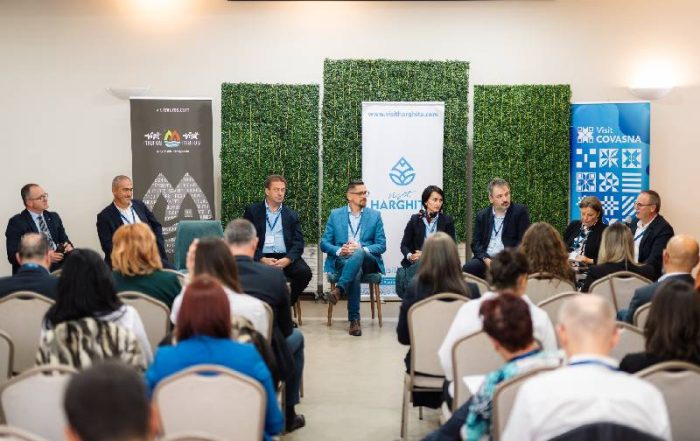
The 4th Regional Tourism Conference concluded successfully in Miercurea Ciuc
The fourth edition of the Regional Tourism Conference was held on October 15–16, 2025, once again hosted by Miercurea Ciuc. As one of the most important professional gatherings in the region, the event brought together nearly 200 tourism entrepreneurs, experts, educators, students, and decision-makers to jointly reflect on the future of tourism, innovation, and opportunities for regional cooperation.
Digitalization, AI, and Cooperation in Focus
The first day of the conference was dedicated to innovation and cooperation. Experts from Booking.com and Travelminit presented concrete examples of how artificial intelligence is transforming the travel experience and guest relations. Norbert Fejér, CEO of HelixSoft, highlighted in his presentation that digitalization is not only a technological issue but also a strategic opportunity to increase competitiveness. The presentation of the România Atractivă project also emphasized the importance of digital development and data-driven decision-making in tourism.
The afternoon continued with two sections: in the TDM section, representatives of several Transylvanian tourist destinations – including Brașov, Mureș, Sibiu, Covasna, and Harghita counties – shared their good practices and future plans, while the parallel communication section focused on practical marketing and visual strategies. Erzsébet Kádár (SmartADDs) spoke about the role of database building, Jenő Nagy (OptiBoost) about online advertising strategies, and Ioana Mihaela Cobiliță (Sinaps) about digital trends – including voice search and AI targeting. In the field of visual communication, photographer and graphic editor László Mihály and László Olasz (Alpix Visual Studio) presented the importance of professional photography, while Zoltán Pál (Magenta7) shared practical experiences on creating tourism program packages. The section concluded with a presentation by Zelinda Páll, marketing communication specialist at Visit Harghita (Harghita Community Development Association), who introduced a new community platform designed for entrepreneurs and organizations interested in tourism.
Gastronomy and Local Values
The second day of the conference focused on the diversity of Transylvanian gastronomy and the future of hospitality based on local ingredients.
The day opened with Előd Szőcs (Csíkcsomortán Abattoir – Butcher Manufactory), who spoke about the value of traditional, locally sourced ingredients under the motto “Only from pure sources.” He was followed by Adorján Trucza, founder of Taste of Transylvania, whose presentation titled Pizza or Polenta? explored the search for identity in Transylvanian gastronomy. István Becze, president of the Association of Székely Farmers’ Organizations, highlighted the role of local producers and the opportunities within gastro-tourism, while Károly Szabó, Executive Director of Visit Harghita (Harghita Community Development Association), spoke about the long-term impacts of obtaining the title of European Region of Gastronomy in his presentation What Will Happen in 2027? Is It the Promised Land?
Szilamér Cseh, founder and head sommelier of the Fine Service Academy, shared his experiences on the art of service and creating guest experiences in his presentation The Secrets of Guest Experience, followed by Domokos Bándi (Gastrobun), who presented the future of gastronomy and strategies for sustainable development. Within the framework of the Food Savers project, Claudia Popa, food engineer at Boroinfo, presented concrete solutions for reducing food waste in the HoReCa sector.
The afternoon program highlighted artisanal gastronomy and creative approaches: photographer Zoltán Biró’s presentation The Photographer’s Coffee in Practice brought the role of coffee preparation closer to the world of gastronomy. István Bocskor, founder of Bocskor Bakery, spoke about the secrets of sourdough preparation and the art of good bread in his presentation Our Sourdough. Judit Potyó, founder of the Sasfészek Gastro Point, shared her experiences in creating and operating a gastro point based on local ingredients.
During the panel discussion Transylvanian Gastronomy Books, participants gained insight into gastronomic publications from the region, including the 100 Recipes – 100 Housewives series and the preparation of the Food Saver Book (Food Savers project).
The two-day event was initiated by the tourism organizations of Harghita, Mureș, and Covasna counties, with the Harghita Community Development Association (Visit Harghita) acting as the main organizer this year. The event was supported by the Pro Economica Foundation, Liliac Winery, Bocskor Bakery, as well as the County Councils of Harghita, Mureș, and Covasna.
At the closing of the conference, it was announced that the main organizer of the 5th Regional Tourism Conference in 2026 will be Visit Covasna. The organizers emphasized that next year’s event will continue in the spirit of regional cooperation and the shared vision of developing tourism.


Italian, Spanish and Croatian young people in Harghita County
European Young People Meet in Harghita County
Youth engagement in community life, the exchange of good practices and cooperation between rural communities across Europe were at the heart of the RURAL Youth Festival.
Between 26 and 29 June 2026, the Harghita County Council hosted the RURAL Youth Festival, an international event bringing together participants of the RURAL-EU project – Connecting Rural Europe: Networking and development in small towns, implemented under the European Commission’s CERV programme.
Over the course of the four-day programme, project partners, local government representatives, community stakeholders and young people from Italy, Spain, Croatia and Romania came together. The event aimed to strengthen international cooperation, encourage the active participation of young people in rural communities, and showcase and share local good practices.
During the programme, participants had the opportunity to discover several localities and natural attractions across Harghita County. On 27 June, the programme continued in Ivó with a Mountain Cart experience, highlighting the potential of the region for active tourism. The participants then joined cultural activities organised for young people in Odorheiu Secuiesc.
One of the highlights of the meeting was the Rural Youth Festival Mission. Through a series of interactive activities, participants discovered local civic initiatives, traditional crafts, intergenerational cooperation projects and programmes initiated by young people. The activities also provided an opportunity to exchange experiences and foster dialogue among young participants from different countries.
As part of the programme, the international guests also visited Lake Saint Anne and the Mohos Peat Bog. The study visit offered an insight into Harghita County’s natural heritage and into ways of combining the preservation of local natural and cultural values with sustainable community and tourism development.
Throughout the four-day meeting, participants were introduced to a number of good practices supporting youth engagement in community life, local civic initiatives, the valorisation of cultural and natural heritage, and the development of rural communities. The discussions and interactive activities highlighted the importance of supporting youth-led local initiatives, strengthening intergenerational dialogue and fostering cooperation between rural communities across Europe.
The RURAL Youth Festival was not only an international meeting, but also a platform for sharing experiences and ideas. The programme contributed to strengthening relationships between project partners and local stakeholders, while also creating opportunities for future cooperation.
For the Harghita County Council, the event provided an important opportunity to showcase the values of Harghita County’s rural communities, youth initiatives and the region’s natural and cultural heritage to European partners.
The meeting, organised within the framework of the RURAL-EU project, also reaffirmed the importance of European-level cooperation in supporting the development of rural areas and encouraging the active participation of young people in community life.
Rural Intercultural Festival: EDS Event Description Sheet

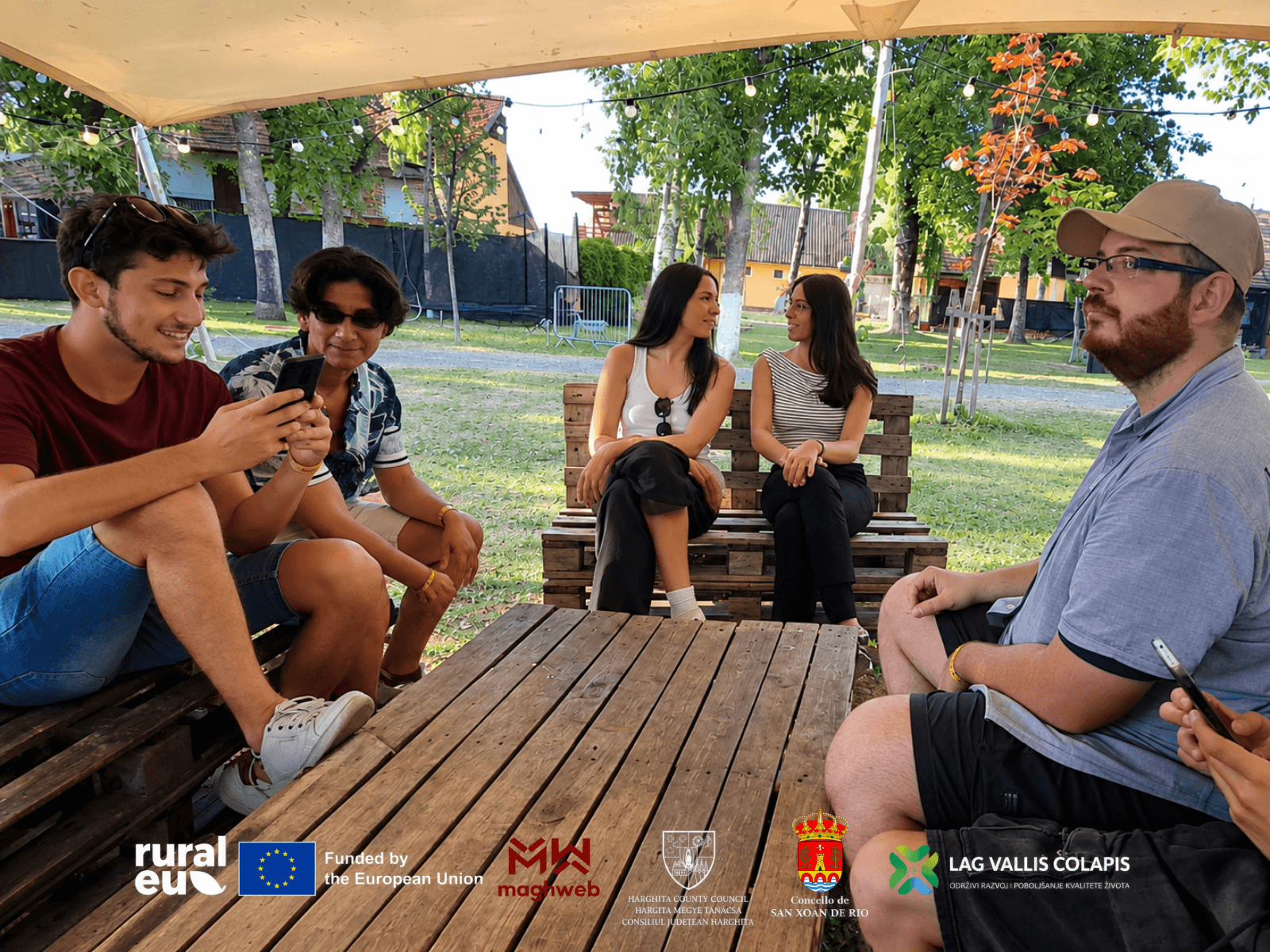
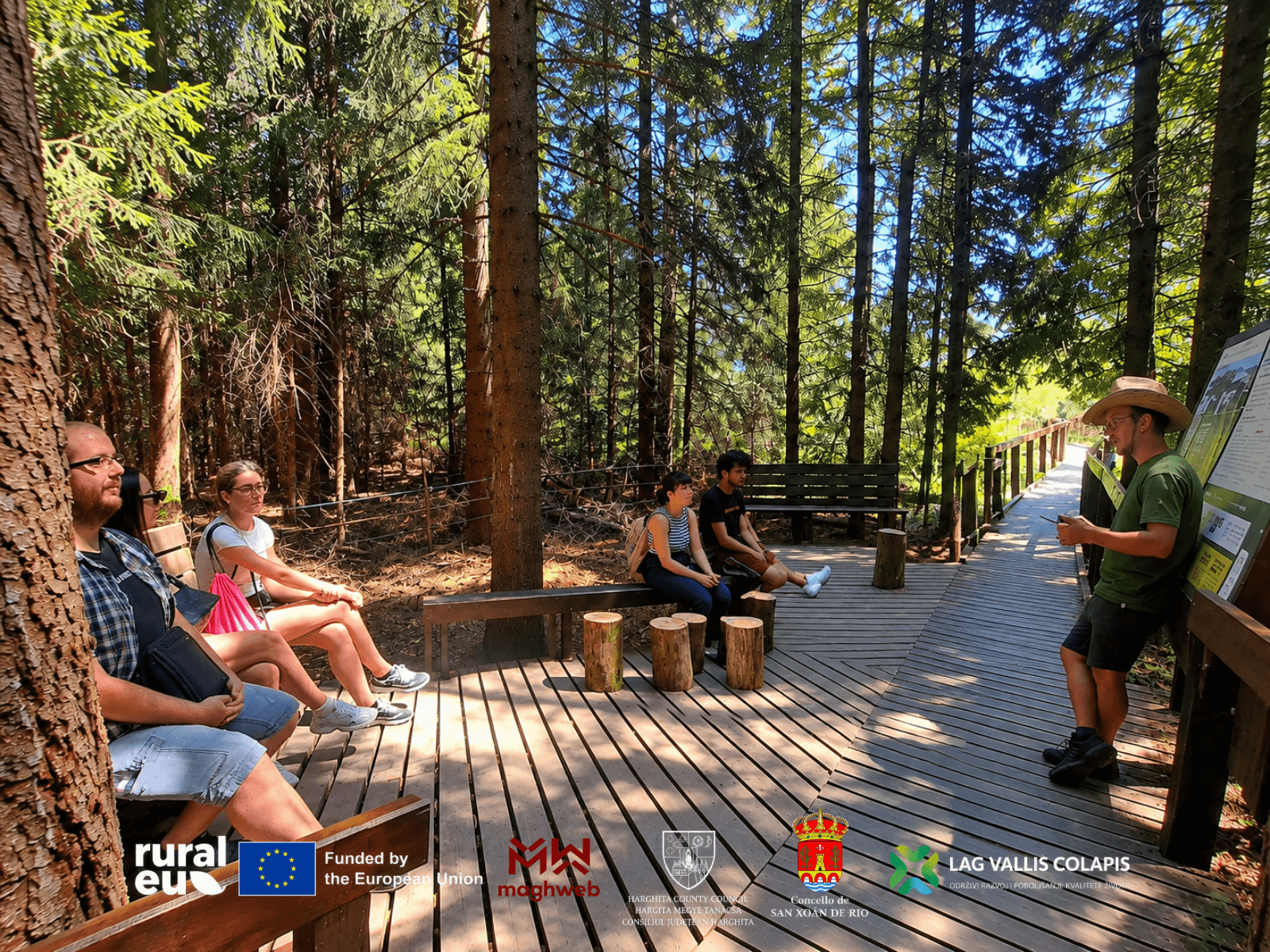
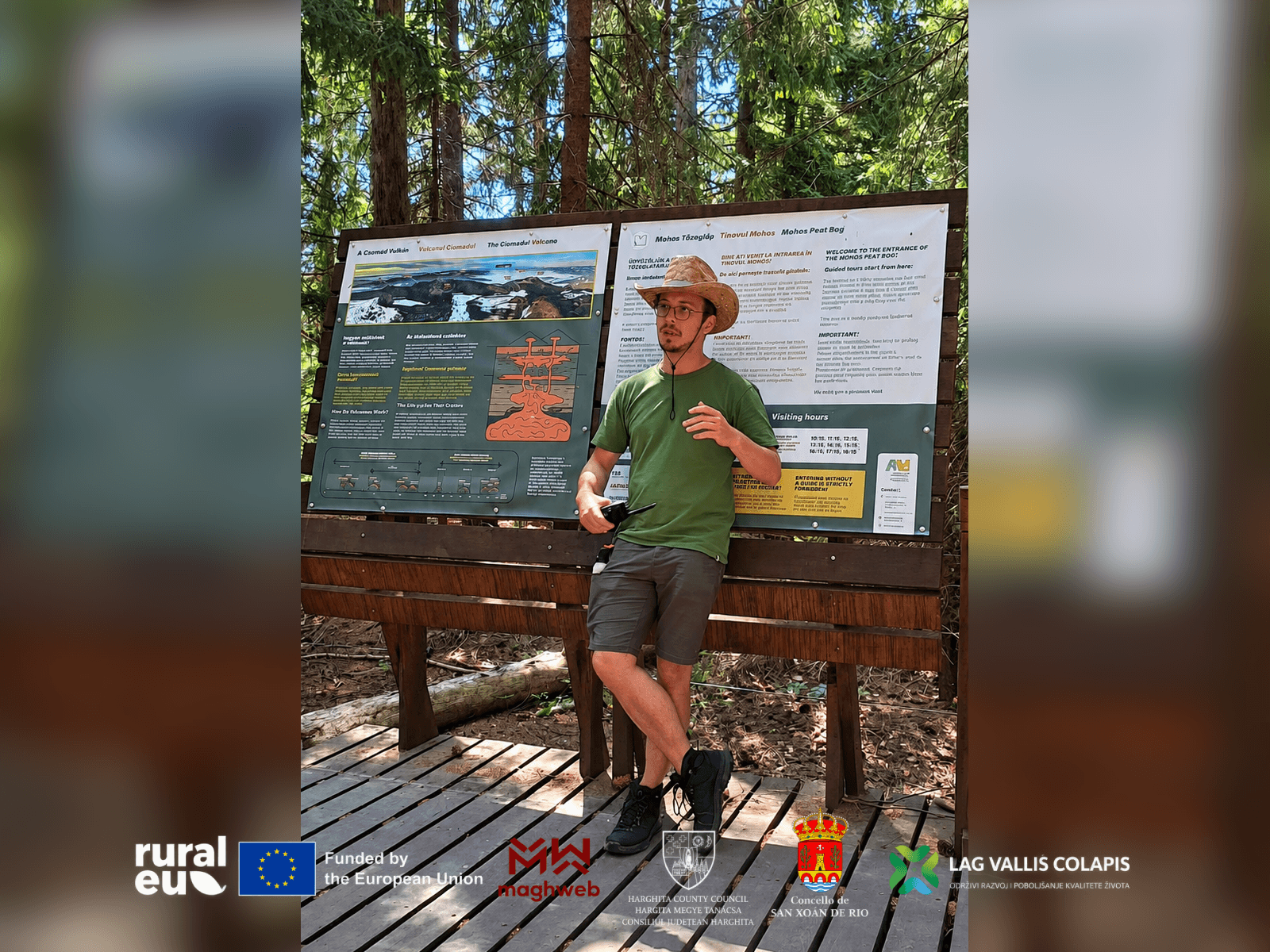
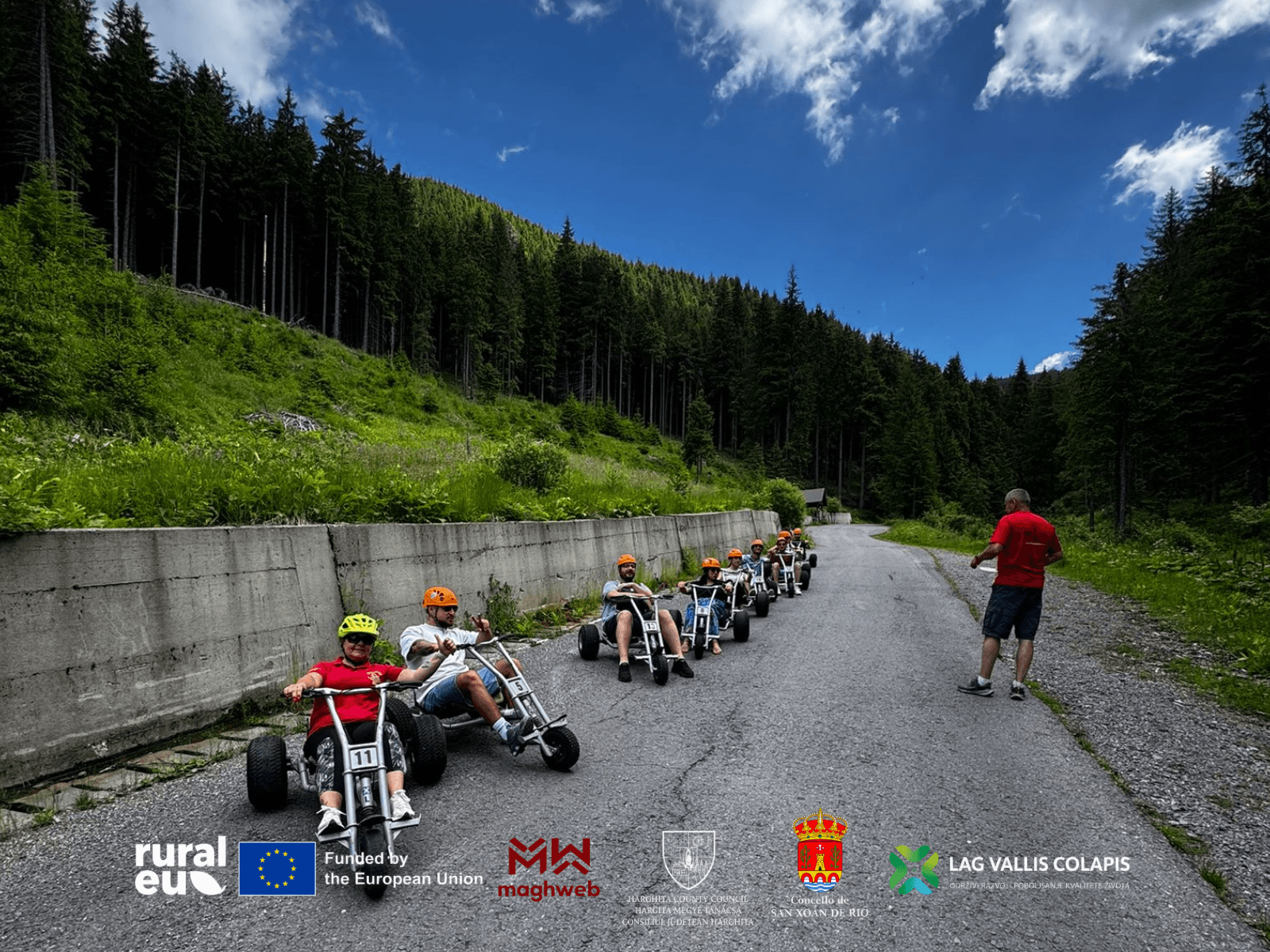
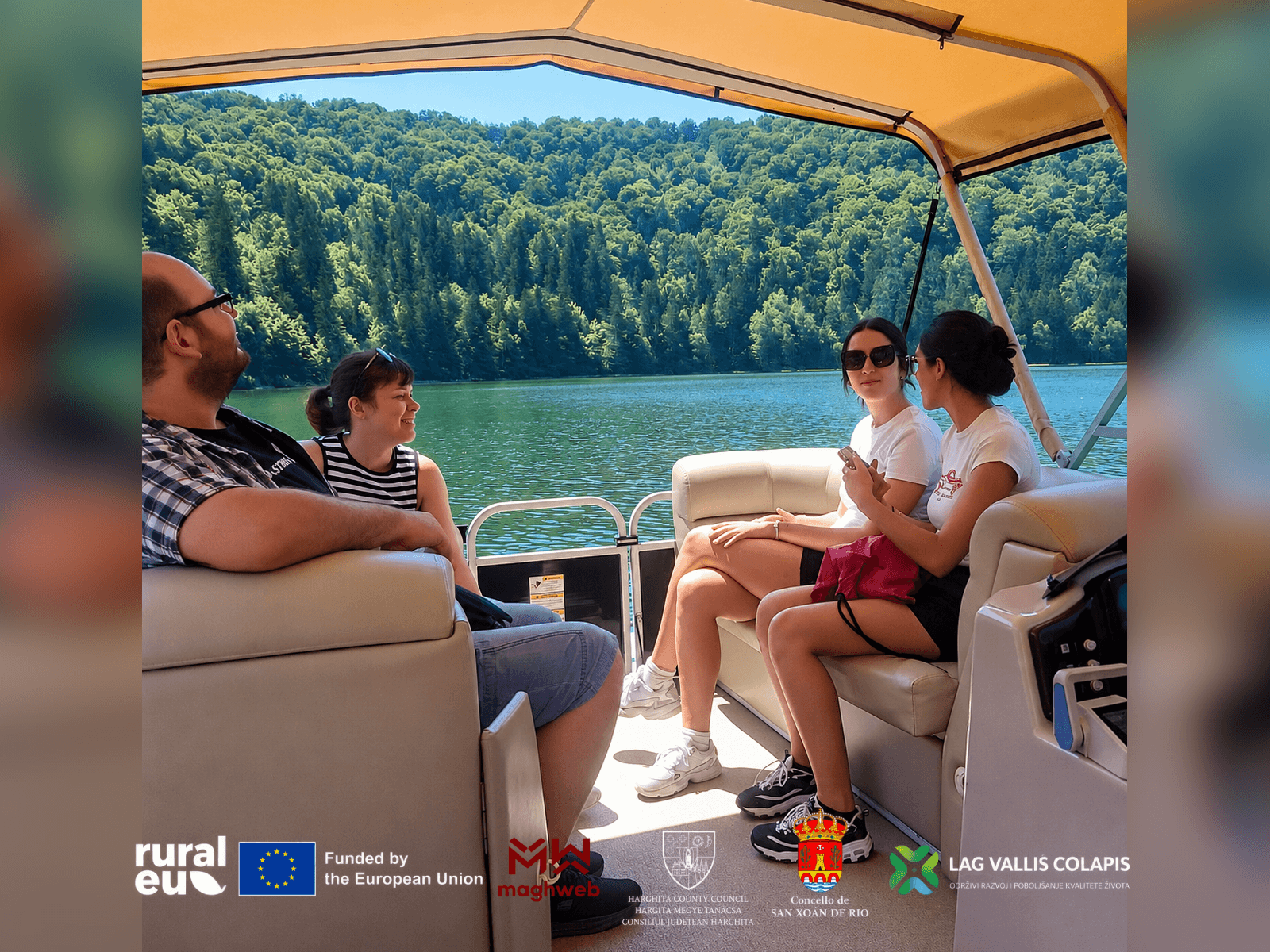

Funded by the European Union. Views and opinions expressed are however those of the author(s) only and do not necessarily reflect those of the European Union or the European Education and Culture Executive Agency (EACEA). Neither the European Union nor EACEA can be held responsible for them.
The Food Savers project has concluded in Harghita County
A mobile application, training sessions, and an awareness-raising campaign to reduce food waste
The results of two years of professional work were presented on Friday, 26 June, in Miercurea Ciuc at the closing event of the project “Preventing Food Waste in Harghita County” – Food Savers.
Led by the Harghita County Council and implemented in partnership with the Harghita Community Development Association (Visit Harghita) and the Harghita County Rural Development Association, the project aimed to increase awareness among urban residents and hospitality sector workers regarding food waste, thereby reducing the amount of food waste generated in cities. The project was supported by the European Commission’s Single Market Programme.
Erika Zonda, Director of the Programmes and Projects Directorate of the Harghita County Council, welcomed the participants and briefly presented the project. She noted that the 24-month initiative had a total budget of €298,208.91, 50% of which was financed by the European Commission. Project activities included the development of a mobile application, training for the hospitality sector, a professional study visit to South Tyrol, a public awareness campaign, and surveys.
Csaba Borboly, President of the Rural Development Association, was also present at the closing event. In his speech, he emphasized that preventing food waste is not only an environmental and economic issue, but also a social one. He pointed out that significant quantities of still-consumable food are discarded daily, while for many people in need, these could represent real support. He also spoke about the experiences gained within the project, the potential for adapting international best practices locally, and the objective of establishing a properly functioning food bank in Harghita County, which would enable, for example, food nearing its expiration date but still safe for consumption to reach those in need.
The practical results of the project were presented by Réka Balázs, the project manager. She introduced the training sessions organized for hospitality sector professionals and gastronomy students, through which 100 participants acquired practical knowledge on reducing food waste.
She also presented the Food Savers mobile application, which supports households in managing food more consciously by tracking home food supplies and expiration dates, offering recipe suggestions based on available ingredients, assisting with shopping planning, and contributing to the reduction of food waste. She also mentioned that, as part of the project, a professional study visit to South Tyrol was organized, where participants explored European best practices in sustainable hospitality and food waste prevention.
Following this, Hanna Imets, representing the Rural Development Association, presented the results of the surveys conducted within the project. The initial and final research examined food consumption and waste habits among urban residents of Miercurea Ciuc, Odorheiu Secuiesc, and Gheorgheni, involving a total of 1,200 consumers.
Zelinda Páll, a staff member of the Harghita Community Development Association (Visit Harghita), presented the results of the awareness-raising campaign built around the slogan “Still good to eat. Save it!”. As part of the project, 30 awareness videos, recipe videos, guides, and social media content were produced to highlight the importance of reducing food waste and promoting conscious consumer behavior.
The project results, download options for the Food Savers mobile application, as well as the videos and additional useful information produced during the campaign are all available on the project’s official Linktree page: https://linktr.ee/food_savers
At the end of the event, Erika Zonda stated that the project had been well received, and therefore the partners intend to continue the initiated activities and are already seeking new funding opportunities. She added that Harghita County’s title as European Region of Gastronomy 2027 will further draw attention to food waste prevention, the value of local products, and the role of sustainable gastronomy.
Miercurea Ciuc, 29 June 2026


International exchange of experience for sustainable entrepreneurship education
Between 15–17 June 2026, Szczecin, Poland hosted the fifth international meeting of the Interreg Europe project “SEE – Sustainable Entrepreneurship Education.” The initiative, bringing together seven European countries, aims to promote the spread of a sustainable entrepreneurial mindset among young people and to support educational methods and policy tools that contribute to preparing the innovative, responsible, and environmentally conscious entrepreneurs of the future. Romania was represented in the project by the Harghita County Council as a partner, with the participation of local stakeholders including the Pro Cultura Siculi Development Association, Sapientia Hungarian University of Transylvania, and the City Hall of Miercurea Ciuc.
During the three-day professional programme, representatives from France, Belgium, Germany, Italy, Lithuania, Poland, and Romania shared their experiences and best practices in the field of sustainable entrepreneurship education. Participants took part in workshops and study visits, jointly exploring solutions that can help young people enter economic life with a creative, proactive, and socially responsible mindset.
The “World Café” workshop focused on shaping the sustainability mindset of future entrepreneurs. Today, sustainability is no longer merely a matter of corporate social responsibility, but has become a key factor in long-term competitiveness, innovation, and economic resilience. Businesses that integrate environmental, social, and economic considerations into their operations are better equipped to respond to changing market challenges and tend to enjoy greater trust from partners and customers.
Participants also became familiar with the innovative educational methods of the West Pomeranian Continuing Education Centre, the research results of the Neuroscience Laboratory of the University of Szczecin, and initiatives supporting the development of knowledge and skills related to renewable energy sources.
The meeting in Szczecin further strengthened cooperation among project partners and provided an opportunity to exchange experiences, best practices, and professional approaches related to sustainability and responsible entrepreneurship.

Plan your summer in Harghita County with Visit Harghita
Beaches, excursions, family-friendly locations, and gastronomic experiences all in one place
Many people associate summer holidays with distant destinations and long journeys, yet memorable experiences are often closer than we think.
In Harghita County, those looking to relax can choose from an exceptionally rich offer ranging from nature trips and family programmes to beaches, gastronomic experiences, festivals, and village events. The Visit Harghita online platform provides comprehensive support in exploring these options and planning summer activities.
Operated by the Harghita Community Development Association, the Visit Harghita platform aims to make the county’s tourism offer accessible in one place, thus facilitating orientation and travel planning. Visitors can browse accommodations, restaurants, attractions, beaches and spas, cultural programmes, hiking routes, and other leisure activities by category, making it easier for everyone to find experiences that match their interests.
The website and mobile application are further enriched by quality labels and thematic systems developed in recent years, helping users easily identify high-quality services. The “Family Friendly” label highlights services recommended for families with children, while the GastroPoint network guides those seeking local flavours and authentic gastronomic experiences.
These initiatives reflect the ongoing effort to continuously develop Harghita County’s tourism offer and provide high-quality, reliable experiences for visitors.
It is no coincidence that Harghita County will hold the title of European Region of Gastronomy in 2027, as developments based on local values, cooperation, and quality initiatives have been consciously shaping the region’s tourism profile for years.
“Harghita County’s greatest strength is its diversity. Thanks to Visit Harghita, everyone can now easily explore the available options, whether planning a short weekend trip or a longer family holiday. Our goal is to ensure that both visitors and locals can access information from a reliable source and enjoy as many experiences as possible,” – emphasized Barna-Botond Bíró, President of the Harghita County Council.
During the summer season, the county’s beaches and spas also attract significant interest, opening their gates across all regions of Harghita County as temperatures rise.
A complete list of beaches and spas, along with their contact details and services, is available in the “Swimming pool, beach” category on the Visit Harghita platform, where visitors can plan their leisure time based on up-to-date information:
https://visitharghita.com/hu/places?cat_type=piscina-trand_1529996713
The Kájoni János County Library welcomes readers with a summer schedule. Visitors can enjoy works by contemporary Hungarian and Romanian authors, world literature, as well as numerous new titles in the children’s section, offering pleasant relaxation during the summer months.
More details are available here:
https://www.facebook.com/kajonijanosmegyeikonyvtar/posts/pfbid0DR9zjnvWGo9nv2xYZrFHJv7pSzSf7uocrcJUn9zhniDuDtPpq68bwo1JRXTnyHXHl
We encourage everyone looking for meaningful relaxation during the summer months to discover the diverse tourism offer of Harghita County and explore the Visit Harghita online platform.
Further information is available at:
https://visitharghita.com/hu
Miercurea Ciuc, 22 June 2026


Best practices and innovative solutions for tailings dam safety
SAFETY4TMF project partners study modern methods for managing mining waste facilities in Košice
Representatives of the Harghita County Council also took part in a two-day professional study visit organized on 18–19 June in Košice and its surroundings within the framework of the SAFETY4TMF project. On this occasion, project partners explored best practices, monitoring systems, and innovative solutions related to the safe management of tailings facilities, while also exchanging experiences on risk prevention measures.
The professional programme began with presentations on the activities of the Via Carpatia EGTC and the objectives of the SAFETY4TMF project in the Košice region. This was followed by a field visit to a closed tailings facility located in the Slovinky–Bodnárec area. On-site, participants were introduced to the structural risks associated with dams built from mining waste, the environmental hazards posed by heavy metals present in the deposits, as well as the functioning of technical supervision and monitoring systems.
During the visit, methods used for geodetic measurements and for assessing groundwater and seepage flow were also presented, along with the water management strategy aimed at ensuring controlled passage of precipitation through the facility, thereby reducing pressure on the dam structures.
On the second day, project partners became familiar with the research activities of the Technical University of Košice, with a particular focus on geotechnologies, waste recycling, and mining tourism. The programme concluded with a presentation by the Košice Self-Governing Region on its regional strategies for safety and environmental protection, as well as practical applications of the KSK Geoportal.
As part of the SAFETY4TMF project, the Harghita County Council also places strong emphasis on informing the public. In this context, the publication “What to do? – In case of a tailings facility accident” was developed, providing practical guidance for emergency situations. The publication and further information about the project are available on the website of the Harghita County Council:
https://hargitamegye.ro/mit-tegyunk-katasztrofa-eseten/
Miercurea Ciuc, 22 June 2026

New European Union funding arrives in Harghita County
Harghita County Council and the Municipality of Miercurea Ciuc are jointly working on the digitalisation of tourism services in the region
Harghita County Council has signed the financing contract with the Centre Regional Development Agency (ADR Centru) for the project entitled “New digital solutions in public administration and local tourism management”.
The investment, with a total value of more than 2.5 million RON, aims to digitalise tourism services in Harghita County and to develop a modern and sustainable digital infrastructure in order to increase the region’s competitiveness.
The lead applicant of the project is Harghita County Council, with the Municipality of Miercurea Ciuc as partner. The total value of the investment is 2,530,018.47 RON, of which more than 2 million RON comes from European Union funds through the European Regional Development Fund, and more than 320,000 RON from the national budget. The beneficiaries’ own contribution is 2%.
Within the project, six integrated digital solutions will be developed and tested. These will facilitate access to tourism information, enable online booking and payment, support the promotion of natural and cultural heritage, encourage cooperation between tourism stakeholders, and contribute to the development of sustainable tourism.
Bíró Barna-Botond, President of the Harghita County Council, emphasized that the project is further proof of the successful attraction of European Union funds to Harghita County, which directly serve the development of local communities.
– We have once again managed to bring European Union funds to Harghita County. The 2.5 million RON investment, implemented together with the Municipality of Miercurea Ciuc, aims to develop digital solutions that make it easier for tourists to book accommodation, access online services, and reach various tourism services in a coordinated way. In the coming period, together with the Visit Harghita professional team and the joint working group of the city and county councils, we will begin the practical implementation of the project – said the President of the Harghita County Council.
The investment contributes to making Harghita County a modern and easily accessible tourism destination, while strengthening the competitiveness of the local economy and improving the visitor experience.
Miercurea Ciuc, June 16, 2026.
The first Open Farm weekend was a success
The first Open Farm weekend attracted great interest, during which 14 farms and food processing units in Harghita County opened their gates to visitors between May 29 and June 1, 2026.
The aim of the Open Farm program is to create a direct connection between producers and consumers, while showcasing the region’s agricultural and gastronomic heritage. The experiences of the first weekend indicate a growing interest in the origin of local food, sustainable farming, and authentic rural experiences. During the four-day event, nearly 900 guests participated in the programs, which provided insight into the daily lives of local producers, food production processes, and the values of rural life
The farms welcomed visitors with a wide range of activities. Guests were able to take part in farm tours, tastings, animal petting, professional presentations, and interactive workshops. The event offered an opportunity for families, tourists, and members of local communities to get to know more closely the people and processes behind the region’s high-quality food products.
The Open Farm program is an important element of Harghita County’s preparation for holding the title of European Region of Gastronomy 2027. The initiative contributes to making the region’s gastronomic, agricultural, and cultural values increasingly well known, while creating new opportunities for local businesses and tourism.
The Open Farm weekends will continue in the autumn: the next event will take place on September 25–26, 2026. In addition, certified local producers, farms, and food processors welcome visitors at any time upon prior appointment.
Further information about the Open Farm program and the participating farms is available on the Visit Harghita platforms.
Miercurea Ciuc, June 5, 2026.


Farm gates open: the Open Farm program is launched
The Open Farm program, designed to showcase local producers, farms, and food processors, offers a new opportunity for those who wish to gain a closer understanding of the journey of local food, the daily life of rural communities, and the values of sustainable farming.
The Harghita Community Development Association officially presented the Open Farm program and its participants on May 26 at Timian Chalet in Ciaracio. The initiative aims to enable local farms and food-processing units to receive visitors in an organized and safe manner. Participating units open their gates to visitors upon prior registration, allowing them to observe daily farming activities and food production processes up close.
The program places strong emphasis on providing a high-quality visitor experience, as well as ensuring appropriate hygiene and safety conditions. Beyond knowledge-sharing, it also serves a community-building purpose by strengthening the connection between local producers and consumers, while contributing to the promotion of the region’s gastronomic and agri-tourism values.
Participants are also partners in the Open Farm weekends organized twice a year, during which farms welcome visitors with special programs, demonstrations, and tastings. The first Open Farm weekend will take place between May 29 and June 1, 2026. During the four-day event, farms across multiple locations will open their gates to visitors. The second weekend will be held on September 25–26, 2026.
The launch of Open Farm is closely linked to Harghita County’s preparation for holding the title of European Region of Gastronomy 2027, and represents an important milestone in the process of presenting the region’s gastronomic and cultural values in a coordinated and unified way, both nationally and internationally.
A total of 46 entrepreneurs applied to the program, of which 33 met the Open Farm criteria. Károly Szabó, Executive Director of the Harghita Community Development Association, which developed and coordinates the initiative, stated:
“By capitalizing on the awarded title, we continue to develop the county’s tourism offer and systematically integrate into the tourism circuit those places that can most authentically tell our story—the journey of food from producer to consumer.”
Further information, the Open Farm weekend program, and the list of participating farms are available on the Visit Harghita platforms.
European Region of Gastronomy
European Regions of Gastronomy (candidates and award holders), selected and managed by IGCAT, aim to contribute to improving the quality of life of their citizens by raising awareness of the importance of cultural and gastronomic uniqueness, while also:
• encouraging creativity and gastronomic innovation,
• providing intellectual nourishment to children and adults through culinary education,
• improving the standards of sustainable tourism,
• strengthening circular economies in both urban and rural environments,
• supporting the well-being and health of communities and the environment.
IGCAT provides the award with the support of international and European institutions. Regions also join the global platform of awarded and candidate Gastronomic Regions to foster long-term benefits, increase international visibility, and support knowledge exchange.
The European Region of Gastronomy title recognizes communities (cities, counties, regions, islands, or countries) that place strong emphasis on their gastronomic heritage within a framework of sustainable development and community cooperation. Preserving and protecting local foods, beverages, agricultural products, as well as cultural and natural assets, is a key priority.
The title is a recognition that widely promotes the achievements, programs, community cooperation, and responses to future challenges of the given region; however, it does not include a financial prize.
Members of the Harghita County consortium:
• Harghita County Council
• Harghita Community Development Association
• Miercurea Ciuc City Hall
• Odorheiu Secuiesc City Hall
• Gheorgheni City Hall
• Association of Székely Farmers’ Organizations
• Sapientia Hungarian University of Transylvania, Faculty of Miercurea Ciuc
• Páva KulinarIQum Association
• Boro Info
• Honline Media (Székely Konyha és Kert)
• Association of Ciuc Hospitality Providers
• Pro Economica Foundation


Strengthening the social economy across Europe through mutual cooperation and development
The international SECON project, aimed at supporting the integration of people living in poverty and vulnerable groups, as well as significantly strengthening the social economy, includes Harghita County Council among its partners.
Project partners met between April 21–24 in Mannheim, Germany, where they explored good practices and, during roundtable discussions, formulated recommendations to raise awareness and strengthen the legal framework and the role of the social economy.
Harghita County was represented at the meeting by Melinda Szebeni, assistant manager of the working group from the County Council, along with representatives of the involved partner organizations: Cristian Gligor from the Pro Siculi Intercommunity Development Association in Miercurea Ciuc, and Árpád Csiszér from the Right Association, also based in Miercurea Ciuc.
As a good practice example, participants visited an institution that provides training for individuals who have dropped out of school. This training model is highly effective, with a success rate of 95–97%.
During the roundtable discussions, partners concluded that greater visibility is needed for the social economy and examples of best practices, along with the creation of a unified legal framework at EU level and the inclusion of vulnerable groups. Furthermore, the role of the social economy should be significantly strengthened so that it becomes a key, defining part of the economy, broadly contributing to the functioning and well-being of society. Achieving these goals requires raising awareness and developing the necessary competencies.
Partners also agreed on the need to introduce a European certification, establish an EU-level database, harmonize legislation to facilitate partnerships between Member States, and allocate more substantial public funding to the social economy. As summarized, these would represent the priorities for stabilizing the social economy over the next twenty years.
The SECON – Social Economy: Supporting Regional Policies for Social Economy Enterprises project aims to promote knowledge exchange through regional and interregional learning activities, as well as through the development of studies and reports. It supports participating regions in improving relevant policy instruments, fostering an environment conducive to the growth of the social economy, with particular focus on rural areas. The project is funded by the Interreg Europe programme.
Miercurea Ciuc, May 6, 2026.
Italian, Spanish and Croatian young people in Harghita County
European Young People Meet in Harghita County
Youth engagement in community life, the exchange of good practices and cooperation between rural communities across Europe were at the heart of the RURAL Youth Festival.
Between 26 and 29 June 2026, the Harghita County Council hosted the RURAL Youth Festival, an international event bringing together participants of the RURAL-EU project – Connecting Rural Europe: Networking and development in small towns, implemented under the European Commission’s CERV programme.
Over the course of the four-day programme, project partners, local government representatives, community stakeholders and young people from Italy, Spain, Croatia and Romania came together. The event aimed to strengthen international cooperation, encourage the active participation of young people in rural communities, and showcase and share local good practices.
During the programme, participants had the opportunity to discover several localities and natural attractions across Harghita County. On 27 June, the programme continued in Ivó with a Mountain Cart experience, highlighting the potential of the region for active tourism. The participants then joined cultural activities organised for young people in Odorheiu Secuiesc.
One of the highlights of the meeting was the Rural Youth Festival Mission. Through a series of interactive activities, participants discovered local civic initiatives, traditional crafts, intergenerational cooperation projects and programmes initiated by young people. The activities also provided an opportunity to exchange experiences and foster dialogue among young participants from different countries.
As part of the programme, the international guests also visited Lake Saint Anne and the Mohos Peat Bog. The study visit offered an insight into Harghita County’s natural heritage and into ways of combining the preservation of local natural and cultural values with sustainable community and tourism development.
Throughout the four-day meeting, participants were introduced to a number of good practices supporting youth engagement in community life, local civic initiatives, the valorisation of cultural and natural heritage, and the development of rural communities. The discussions and interactive activities highlighted the importance of supporting youth-led local initiatives, strengthening intergenerational dialogue and fostering cooperation between rural communities across Europe.
The RURAL Youth Festival was not only an international meeting, but also a platform for sharing experiences and ideas. The programme contributed to strengthening relationships between project partners and local stakeholders, while also creating opportunities for future cooperation.
For the Harghita County Council, the event provided an important opportunity to showcase the values of Harghita County’s rural communities, youth initiatives and the region’s natural and cultural heritage to European partners.
The meeting, organised within the framework of the RURAL-EU project, also reaffirmed the importance of European-level cooperation in supporting the development of rural areas and encouraging the active participation of young people in community life.
Rural Intercultural Festival: EDS Event Description Sheet
Funded by the European Union. Views and opinions expressed are however those of the author(s) only and do not necessarily reflect those of the European Union or the European Education and Culture Executive Agency (EACEA). Neither the European Union nor EACEA can be held responsible for them.
The Food Savers project has concluded in Harghita County
A mobile application, training sessions, and an awareness-raising campaign to reduce food waste
The results of two years of professional work were presented on Friday, 26 June, in Miercurea Ciuc at the closing event of the project “Preventing Food Waste in Harghita County” – Food Savers.
Led by the Harghita County Council and implemented in partnership with the Harghita Community Development Association (Visit Harghita) and the Harghita County Rural Development Association, the project aimed to increase awareness among urban residents and hospitality sector workers regarding food waste, thereby reducing the amount of food waste generated in cities. The project was supported by the European Commission’s Single Market Programme.
Erika Zonda, Director of the Programmes and Projects Directorate of the Harghita County Council, welcomed the participants and briefly presented the project. She noted that the 24-month initiative had a total budget of €298,208.91, 50% of which was financed by the European Commission. Project activities included the development of a mobile application, training for the hospitality sector, a professional study visit to South Tyrol, a public awareness campaign, and surveys.
Csaba Borboly, President of the Rural Development Association, was also present at the closing event. In his speech, he emphasized that preventing food waste is not only an environmental and economic issue, but also a social one. He pointed out that significant quantities of still-consumable food are discarded daily, while for many people in need, these could represent real support. He also spoke about the experiences gained within the project, the potential for adapting international best practices locally, and the objective of establishing a properly functioning food bank in Harghita County, which would enable, for example, food nearing its expiration date but still safe for consumption to reach those in need.
The practical results of the project were presented by Réka Balázs, the project manager. She introduced the training sessions organized for hospitality sector professionals and gastronomy students, through which 100 participants acquired practical knowledge on reducing food waste.
She also presented the Food Savers mobile application, which supports households in managing food more consciously by tracking home food supplies and expiration dates, offering recipe suggestions based on available ingredients, assisting with shopping planning, and contributing to the reduction of food waste. She also mentioned that, as part of the project, a professional study visit to South Tyrol was organized, where participants explored European best practices in sustainable hospitality and food waste prevention.
Following this, Hanna Imets, representing the Rural Development Association, presented the results of the surveys conducted within the project. The initial and final research examined food consumption and waste habits among urban residents of Miercurea Ciuc, Odorheiu Secuiesc, and Gheorgheni, involving a total of 1,200 consumers.
Zelinda Páll, a staff member of the Harghita Community Development Association (Visit Harghita), presented the results of the awareness-raising campaign built around the slogan “Still good to eat. Save it!”. As part of the project, 30 awareness videos, recipe videos, guides, and social media content were produced to highlight the importance of reducing food waste and promoting conscious consumer behavior.
The project results, download options for the Food Savers mobile application, as well as the videos and additional useful information produced during the campaign are all available on the project’s official Linktree page: https://linktr.ee/food_savers
At the end of the event, Erika Zonda stated that the project had been well received, and therefore the partners intend to continue the initiated activities and are already seeking new funding opportunities. She added that Harghita County’s title as European Region of Gastronomy 2027 will further draw attention to food waste prevention, the value of local products, and the role of sustainable gastronomy.
Miercurea Ciuc, 29 June 2026
International exchange of experience for sustainable entrepreneurship education
Between 15–17 June 2026, Szczecin, Poland hosted the fifth international meeting of the Interreg Europe project “SEE – Sustainable Entrepreneurship Education.” The initiative, bringing together seven European countries, aims to promote the spread of a sustainable entrepreneurial mindset among young people and to support educational methods and policy tools that contribute to preparing the innovative, responsible, and environmentally conscious entrepreneurs of the future. Romania was represented in the project by the Harghita County Council as a partner, with the participation of local stakeholders including the Pro Cultura Siculi Development Association, Sapientia Hungarian University of Transylvania, and the City Hall of Miercurea Ciuc.
During the three-day professional programme, representatives from France, Belgium, Germany, Italy, Lithuania, Poland, and Romania shared their experiences and best practices in the field of sustainable entrepreneurship education. Participants took part in workshops and study visits, jointly exploring solutions that can help young people enter economic life with a creative, proactive, and socially responsible mindset.
The “World Café” workshop focused on shaping the sustainability mindset of future entrepreneurs. Today, sustainability is no longer merely a matter of corporate social responsibility, but has become a key factor in long-term competitiveness, innovation, and economic resilience. Businesses that integrate environmental, social, and economic considerations into their operations are better equipped to respond to changing market challenges and tend to enjoy greater trust from partners and customers.
Participants also became familiar with the innovative educational methods of the West Pomeranian Continuing Education Centre, the research results of the Neuroscience Laboratory of the University of Szczecin, and initiatives supporting the development of knowledge and skills related to renewable energy sources.
The meeting in Szczecin further strengthened cooperation among project partners and provided an opportunity to exchange experiences, best practices, and professional approaches related to sustainability and responsible entrepreneurship.
Plan your summer in Harghita County with Visit Harghita
Beaches, excursions, family-friendly locations, and gastronomic experiences all in one place
Many people associate summer holidays with distant destinations and long journeys, yet memorable experiences are often closer than we think.
In Harghita County, those looking to relax can choose from an exceptionally rich offer ranging from nature trips and family programmes to beaches, gastronomic experiences, festivals, and village events. The Visit Harghita online platform provides comprehensive support in exploring these options and planning summer activities.
Operated by the Harghita Community Development Association, the Visit Harghita platform aims to make the county’s tourism offer accessible in one place, thus facilitating orientation and travel planning. Visitors can browse accommodations, restaurants, attractions, beaches and spas, cultural programmes, hiking routes, and other leisure activities by category, making it easier for everyone to find experiences that match their interests.
The website and mobile application are further enriched by quality labels and thematic systems developed in recent years, helping users easily identify high-quality services. The “Family Friendly” label highlights services recommended for families with children, while the GastroPoint network guides those seeking local flavours and authentic gastronomic experiences.
These initiatives reflect the ongoing effort to continuously develop Harghita County’s tourism offer and provide high-quality, reliable experiences for visitors.
It is no coincidence that Harghita County will hold the title of European Region of Gastronomy in 2027, as developments based on local values, cooperation, and quality initiatives have been consciously shaping the region’s tourism profile for years.
“Harghita County’s greatest strength is its diversity. Thanks to Visit Harghita, everyone can now easily explore the available options, whether planning a short weekend trip or a longer family holiday. Our goal is to ensure that both visitors and locals can access information from a reliable source and enjoy as many experiences as possible,” – emphasized Barna-Botond Bíró, President of the Harghita County Council.
During the summer season, the county’s beaches and spas also attract significant interest, opening their gates across all regions of Harghita County as temperatures rise.
A complete list of beaches and spas, along with their contact details and services, is available in the “Swimming pool, beach” category on the Visit Harghita platform, where visitors can plan their leisure time based on up-to-date information:
https://visitharghita.com/hu/places?cat_type=piscina-trand_1529996713
The Kájoni János County Library welcomes readers with a summer schedule. Visitors can enjoy works by contemporary Hungarian and Romanian authors, world literature, as well as numerous new titles in the children’s section, offering pleasant relaxation during the summer months.
More details are available here:
https://www.facebook.com/kajonijanosmegyeikonyvtar/posts/pfbid0DR9zjnvWGo9nv2xYZrFHJv7pSzSf7uocrcJUn9zhniDuDtPpq68bwo1JRXTnyHXHl
We encourage everyone looking for meaningful relaxation during the summer months to discover the diverse tourism offer of Harghita County and explore the Visit Harghita online platform.
Further information is available at:
https://visitharghita.com/hu
Miercurea Ciuc, 22 June 2026
Best practices and innovative solutions for tailings dam safety
SAFETY4TMF project partners study modern methods for managing mining waste facilities in Košice
Representatives of the Harghita County Council also took part in a two-day professional study visit organized on 18–19 June in Košice and its surroundings within the framework of the SAFETY4TMF project. On this occasion, project partners explored best practices, monitoring systems, and innovative solutions related to the safe management of tailings facilities, while also exchanging experiences on risk prevention measures.
The professional programme began with presentations on the activities of the Via Carpatia EGTC and the objectives of the SAFETY4TMF project in the Košice region. This was followed by a field visit to a closed tailings facility located in the Slovinky–Bodnárec area. On-site, participants were introduced to the structural risks associated with dams built from mining waste, the environmental hazards posed by heavy metals present in the deposits, as well as the functioning of technical supervision and monitoring systems.
During the visit, methods used for geodetic measurements and for assessing groundwater and seepage flow were also presented, along with the water management strategy aimed at ensuring controlled passage of precipitation through the facility, thereby reducing pressure on the dam structures.
On the second day, project partners became familiar with the research activities of the Technical University of Košice, with a particular focus on geotechnologies, waste recycling, and mining tourism. The programme concluded with a presentation by the Košice Self-Governing Region on its regional strategies for safety and environmental protection, as well as practical applications of the KSK Geoportal.
As part of the SAFETY4TMF project, the Harghita County Council also places strong emphasis on informing the public. In this context, the publication “What to do? – In case of a tailings facility accident” was developed, providing practical guidance for emergency situations. The publication and further information about the project are available on the website of the Harghita County Council:
https://hargitamegye.ro/mit-tegyunk-katasztrofa-eseten/
Miercurea Ciuc, 22 June 2026
New European Union funding arrives in Harghita County
Harghita County Council and the Municipality of Miercurea Ciuc are jointly working on the digitalisation of tourism services in the region
Harghita County Council has signed the financing contract with the Centre Regional Development Agency (ADR Centru) for the project entitled “New digital solutions in public administration and local tourism management”.
The investment, with a total value of more than 2.5 million RON, aims to digitalise tourism services in Harghita County and to develop a modern and sustainable digital infrastructure in order to increase the region’s competitiveness.
The lead applicant of the project is Harghita County Council, with the Municipality of Miercurea Ciuc as partner. The total value of the investment is 2,530,018.47 RON, of which more than 2 million RON comes from European Union funds through the European Regional Development Fund, and more than 320,000 RON from the national budget. The beneficiaries’ own contribution is 2%.
Within the project, six integrated digital solutions will be developed and tested. These will facilitate access to tourism information, enable online booking and payment, support the promotion of natural and cultural heritage, encourage cooperation between tourism stakeholders, and contribute to the development of sustainable tourism.
Bíró Barna-Botond, President of the Harghita County Council, emphasized that the project is further proof of the successful attraction of European Union funds to Harghita County, which directly serve the development of local communities.
– We have once again managed to bring European Union funds to Harghita County. The 2.5 million RON investment, implemented together with the Municipality of Miercurea Ciuc, aims to develop digital solutions that make it easier for tourists to book accommodation, access online services, and reach various tourism services in a coordinated way. In the coming period, together with the Visit Harghita professional team and the joint working group of the city and county councils, we will begin the practical implementation of the project – said the President of the Harghita County Council.
The investment contributes to making Harghita County a modern and easily accessible tourism destination, while strengthening the competitiveness of the local economy and improving the visitor experience.
Miercurea Ciuc, June 16, 2026.
The first Open Farm weekend was a success
The first Open Farm weekend attracted great interest, during which 14 farms and food processing units in Harghita County opened their gates to visitors between May 29 and June 1, 2026.
The aim of the Open Farm program is to create a direct connection between producers and consumers, while showcasing the region’s agricultural and gastronomic heritage. The experiences of the first weekend indicate a growing interest in the origin of local food, sustainable farming, and authentic rural experiences. During the four-day event, nearly 900 guests participated in the programs, which provided insight into the daily lives of local producers, food production processes, and the values of rural life
The farms welcomed visitors with a wide range of activities. Guests were able to take part in farm tours, tastings, animal petting, professional presentations, and interactive workshops. The event offered an opportunity for families, tourists, and members of local communities to get to know more closely the people and processes behind the region’s high-quality food products.
The Open Farm program is an important element of Harghita County’s preparation for holding the title of European Region of Gastronomy 2027. The initiative contributes to making the region’s gastronomic, agricultural, and cultural values increasingly well known, while creating new opportunities for local businesses and tourism.
The Open Farm weekends will continue in the autumn: the next event will take place on September 25–26, 2026. In addition, certified local producers, farms, and food processors welcome visitors at any time upon prior appointment.
Further information about the Open Farm program and the participating farms is available on the Visit Harghita platforms.
Miercurea Ciuc, June 5, 2026.
Farm gates open: the Open Farm program is launched
The Open Farm program, designed to showcase local producers, farms, and food processors, offers a new opportunity for those who wish to gain a closer understanding of the journey of local food, the daily life of rural communities, and the values of sustainable farming.
The Harghita Community Development Association officially presented the Open Farm program and its participants on May 26 at Timian Chalet in Ciaracio. The initiative aims to enable local farms and food-processing units to receive visitors in an organized and safe manner. Participating units open their gates to visitors upon prior registration, allowing them to observe daily farming activities and food production processes up close.
The program places strong emphasis on providing a high-quality visitor experience, as well as ensuring appropriate hygiene and safety conditions. Beyond knowledge-sharing, it also serves a community-building purpose by strengthening the connection between local producers and consumers, while contributing to the promotion of the region’s gastronomic and agri-tourism values.
Participants are also partners in the Open Farm weekends organized twice a year, during which farms welcome visitors with special programs, demonstrations, and tastings. The first Open Farm weekend will take place between May 29 and June 1, 2026. During the four-day event, farms across multiple locations will open their gates to visitors. The second weekend will be held on September 25–26, 2026.
The launch of Open Farm is closely linked to Harghita County’s preparation for holding the title of European Region of Gastronomy 2027, and represents an important milestone in the process of presenting the region’s gastronomic and cultural values in a coordinated and unified way, both nationally and internationally.
A total of 46 entrepreneurs applied to the program, of which 33 met the Open Farm criteria. Károly Szabó, Executive Director of the Harghita Community Development Association, which developed and coordinates the initiative, stated:
“By capitalizing on the awarded title, we continue to develop the county’s tourism offer and systematically integrate into the tourism circuit those places that can most authentically tell our story—the journey of food from producer to consumer.”
Further information, the Open Farm weekend program, and the list of participating farms are available on the Visit Harghita platforms.
European Region of Gastronomy
European Regions of Gastronomy (candidates and award holders), selected and managed by IGCAT, aim to contribute to improving the quality of life of their citizens by raising awareness of the importance of cultural and gastronomic uniqueness, while also:
• encouraging creativity and gastronomic innovation,
• providing intellectual nourishment to children and adults through culinary education,
• improving the standards of sustainable tourism,
• strengthening circular economies in both urban and rural environments,
• supporting the well-being and health of communities and the environment.
IGCAT provides the award with the support of international and European institutions. Regions also join the global platform of awarded and candidate Gastronomic Regions to foster long-term benefits, increase international visibility, and support knowledge exchange.
The European Region of Gastronomy title recognizes communities (cities, counties, regions, islands, or countries) that place strong emphasis on their gastronomic heritage within a framework of sustainable development and community cooperation. Preserving and protecting local foods, beverages, agricultural products, as well as cultural and natural assets, is a key priority.
The title is a recognition that widely promotes the achievements, programs, community cooperation, and responses to future challenges of the given region; however, it does not include a financial prize.
Members of the Harghita County consortium:
• Harghita County Council
• Harghita Community Development Association
• Miercurea Ciuc City Hall
• Odorheiu Secuiesc City Hall
• Gheorgheni City Hall
• Association of Székely Farmers’ Organizations
• Sapientia Hungarian University of Transylvania, Faculty of Miercurea Ciuc
• Páva KulinarIQum Association
• Boro Info
• Honline Media (Székely Konyha és Kert)
• Association of Ciuc Hospitality Providers
• Pro Economica Foundation
Strengthening the social economy across Europe through mutual cooperation and development
The international SECON project, aimed at supporting the integration of people living in poverty and vulnerable groups, as well as significantly strengthening the social economy, includes Harghita County Council among its partners.
Project partners met between April 21–24 in Mannheim, Germany, where they explored good practices and, during roundtable discussions, formulated recommendations to raise awareness and strengthen the legal framework and the role of the social economy.
Harghita County was represented at the meeting by Melinda Szebeni, assistant manager of the working group from the County Council, along with representatives of the involved partner organizations: Cristian Gligor from the Pro Siculi Intercommunity Development Association in Miercurea Ciuc, and Árpád Csiszér from the Right Association, also based in Miercurea Ciuc.
As a good practice example, participants visited an institution that provides training for individuals who have dropped out of school. This training model is highly effective, with a success rate of 95–97%.
During the roundtable discussions, partners concluded that greater visibility is needed for the social economy and examples of best practices, along with the creation of a unified legal framework at EU level and the inclusion of vulnerable groups. Furthermore, the role of the social economy should be significantly strengthened so that it becomes a key, defining part of the economy, broadly contributing to the functioning and well-being of society. Achieving these goals requires raising awareness and developing the necessary competencies.
Partners also agreed on the need to introduce a European certification, establish an EU-level database, harmonize legislation to facilitate partnerships between Member States, and allocate more substantial public funding to the social economy. As summarized, these would represent the priorities for stabilizing the social economy over the next twenty years.
The SECON – Social Economy: Supporting Regional Policies for Social Economy Enterprises project aims to promote knowledge exchange through regional and interregional learning activities, as well as through the development of studies and reports. It supports participating regions in improving relevant policy instruments, fostering an environment conducive to the growth of the social economy, with particular focus on rural areas. The project is funded by the Interreg Europe programme.
Miercurea Ciuc, May 6, 2026.
Feedback on the Amendments to the Master Plan for the Hășmaș Mountains Area Sought at the CIBioGo Project Workshop
On September 30, 2026, the Harghita County Council organised a workshop in Gheorgheni within the framework of the CIBioGo – Citizen Participation in Biodiversity Governance project. The main objective of the meeting was to assess how satisfied local and regional stakeholders are with the amendments to the master plan for the Hășmaș Mountains area and to what extent they consider them appropriate for local needs.
Emőke Kopacz, CIBioGo project manager, presented the work carried out within the project and the new aspects incorporated into the master plan following international exchanges of experience. The amendments focus, among other things, on coexistence with large wild animals, water retention and nature-based solutions, as well as the adaptation of forests to climate change. The document also places greater emphasis on the conservation of biodiversity and on strengthening the relationship between natural and cultural values and local communities.
Following the presentation, participants were able to evaluate the amendments to the master plan for the Hășmaș Mountains area using a questionnaire. The feedback collection focused on satisfaction with the changes: how useful and justified the new approaches are considered to be, and to what extent they address the needs of the area. The questionnaire also provided an opportunity to indicate priority topics and the willingness to become involved in implementation.
The assessment provided by local stakeholders offers important feedback on the policy change achieved within the CIBioGo project. Analysing the responses will help establish how the amendments have been received and identify areas where further consultation or cooperation is needed.
The CIBioGo project is implemented with the support of the Interreg Europe programme and helps improve policies aimed at biodiversity conservation by involving local and regional stakeholders.
Italian, Spanish and Croatian young people in Harghita County
European Young People Meet in Harghita County
Youth engagement in community life, the exchange of good practices and cooperation between rural communities across Europe were at the heart of the RURAL Youth Festival.
Between 26 and 29 June 2026, the Harghita County Council hosted the RURAL Youth Festival, an international event bringing together participants of the RURAL-EU project – Connecting Rural Europe: Networking and development in small towns, implemented under the European Commission’s CERV programme.
Over the course of the four-day programme, project partners, local government representatives, community stakeholders and young people from Italy, Spain, Croatia and Romania came together. The event aimed to strengthen international cooperation, encourage the active participation of young people in rural communities, and showcase and share local good practices.
During the programme, participants had the opportunity to discover several localities and natural attractions across Harghita County. On 27 June, the programme continued in Ivó with a Mountain Cart experience, highlighting the potential of the region for active tourism. The participants then joined cultural activities organised for young people in Odorheiu Secuiesc.
One of the highlights of the meeting was the Rural Youth Festival Mission. Through a series of interactive activities, participants discovered local civic initiatives, traditional crafts, intergenerational cooperation projects and programmes initiated by young people. The activities also provided an opportunity to exchange experiences and foster dialogue among young participants from different countries.
As part of the programme, the international guests also visited Lake Saint Anne and the Mohos Peat Bog. The study visit offered an insight into Harghita County’s natural heritage and into ways of combining the preservation of local natural and cultural values with sustainable community and tourism development.
Throughout the four-day meeting, participants were introduced to a number of good practices supporting youth engagement in community life, local civic initiatives, the valorisation of cultural and natural heritage, and the development of rural communities. The discussions and interactive activities highlighted the importance of supporting youth-led local initiatives, strengthening intergenerational dialogue and fostering cooperation between rural communities across Europe.
The RURAL Youth Festival was not only an international meeting, but also a platform for sharing experiences and ideas. The programme contributed to strengthening relationships between project partners and local stakeholders, while also creating opportunities for future cooperation.
For the Harghita County Council, the event provided an important opportunity to showcase the values of Harghita County’s rural communities, youth initiatives and the region’s natural and cultural heritage to European partners.
The meeting, organised within the framework of the RURAL-EU project, also reaffirmed the importance of European-level cooperation in supporting the development of rural areas and encouraging the active participation of young people in community life.
Rural Intercultural Festival: EDS Event Description Sheet
Funded by the European Union. Views and opinions expressed are however those of the author(s) only and do not necessarily reflect those of the European Union or the European Education and Culture Executive Agency (EACEA). Neither the European Union nor EACEA can be held responsible for them.
The Food Savers project has concluded in Harghita County
A mobile application, training sessions, and an awareness-raising campaign to reduce food waste
The results of two years of professional work were presented on Friday, 26 June, in Miercurea Ciuc at the closing event of the project “Preventing Food Waste in Harghita County” – Food Savers.
Led by the Harghita County Council and implemented in partnership with the Harghita Community Development Association (Visit Harghita) and the Harghita County Rural Development Association, the project aimed to increase awareness among urban residents and hospitality sector workers regarding food waste, thereby reducing the amount of food waste generated in cities. The project was supported by the European Commission’s Single Market Programme.
Erika Zonda, Director of the Programmes and Projects Directorate of the Harghita County Council, welcomed the participants and briefly presented the project. She noted that the 24-month initiative had a total budget of €298,208.91, 50% of which was financed by the European Commission. Project activities included the development of a mobile application, training for the hospitality sector, a professional study visit to South Tyrol, a public awareness campaign, and surveys.
Csaba Borboly, President of the Rural Development Association, was also present at the closing event. In his speech, he emphasized that preventing food waste is not only an environmental and economic issue, but also a social one. He pointed out that significant quantities of still-consumable food are discarded daily, while for many people in need, these could represent real support. He also spoke about the experiences gained within the project, the potential for adapting international best practices locally, and the objective of establishing a properly functioning food bank in Harghita County, which would enable, for example, food nearing its expiration date but still safe for consumption to reach those in need.
The practical results of the project were presented by Réka Balázs, the project manager. She introduced the training sessions organized for hospitality sector professionals and gastronomy students, through which 100 participants acquired practical knowledge on reducing food waste.
She also presented the Food Savers mobile application, which supports households in managing food more consciously by tracking home food supplies and expiration dates, offering recipe suggestions based on available ingredients, assisting with shopping planning, and contributing to the reduction of food waste. She also mentioned that, as part of the project, a professional study visit to South Tyrol was organized, where participants explored European best practices in sustainable hospitality and food waste prevention.
Following this, Hanna Imets, representing the Rural Development Association, presented the results of the surveys conducted within the project. The initial and final research examined food consumption and waste habits among urban residents of Miercurea Ciuc, Odorheiu Secuiesc, and Gheorgheni, involving a total of 1,200 consumers.
Zelinda Páll, a staff member of the Harghita Community Development Association (Visit Harghita), presented the results of the awareness-raising campaign built around the slogan “Still good to eat. Save it!”. As part of the project, 30 awareness videos, recipe videos, guides, and social media content were produced to highlight the importance of reducing food waste and promoting conscious consumer behavior.
The project results, download options for the Food Savers mobile application, as well as the videos and additional useful information produced during the campaign are all available on the project’s official Linktree page: https://linktr.ee/food_savers
At the end of the event, Erika Zonda stated that the project had been well received, and therefore the partners intend to continue the initiated activities and are already seeking new funding opportunities. She added that Harghita County’s title as European Region of Gastronomy 2027 will further draw attention to food waste prevention, the value of local products, and the role of sustainable gastronomy.
Miercurea Ciuc, 29 June 2026
International exchange of experience for sustainable entrepreneurship education
Between 15–17 June 2026, Szczecin, Poland hosted the fifth international meeting of the Interreg Europe project “SEE – Sustainable Entrepreneurship Education.” The initiative, bringing together seven European countries, aims to promote the spread of a sustainable entrepreneurial mindset among young people and to support educational methods and policy tools that contribute to preparing the innovative, responsible, and environmentally conscious entrepreneurs of the future. Romania was represented in the project by the Harghita County Council as a partner, with the participation of local stakeholders including the Pro Cultura Siculi Development Association, Sapientia Hungarian University of Transylvania, and the City Hall of Miercurea Ciuc.
During the three-day professional programme, representatives from France, Belgium, Germany, Italy, Lithuania, Poland, and Romania shared their experiences and best practices in the field of sustainable entrepreneurship education. Participants took part in workshops and study visits, jointly exploring solutions that can help young people enter economic life with a creative, proactive, and socially responsible mindset.
The “World Café” workshop focused on shaping the sustainability mindset of future entrepreneurs. Today, sustainability is no longer merely a matter of corporate social responsibility, but has become a key factor in long-term competitiveness, innovation, and economic resilience. Businesses that integrate environmental, social, and economic considerations into their operations are better equipped to respond to changing market challenges and tend to enjoy greater trust from partners and customers.
Participants also became familiar with the innovative educational methods of the West Pomeranian Continuing Education Centre, the research results of the Neuroscience Laboratory of the University of Szczecin, and initiatives supporting the development of knowledge and skills related to renewable energy sources.
The meeting in Szczecin further strengthened cooperation among project partners and provided an opportunity to exchange experiences, best practices, and professional approaches related to sustainability and responsible entrepreneurship.
Plan your summer in Harghita County with Visit Harghita
Beaches, excursions, family-friendly locations, and gastronomic experiences all in one place
Many people associate summer holidays with distant destinations and long journeys, yet memorable experiences are often closer than we think.
In Harghita County, those looking to relax can choose from an exceptionally rich offer ranging from nature trips and family programmes to beaches, gastronomic experiences, festivals, and village events. The Visit Harghita online platform provides comprehensive support in exploring these options and planning summer activities.
Operated by the Harghita Community Development Association, the Visit Harghita platform aims to make the county’s tourism offer accessible in one place, thus facilitating orientation and travel planning. Visitors can browse accommodations, restaurants, attractions, beaches and spas, cultural programmes, hiking routes, and other leisure activities by category, making it easier for everyone to find experiences that match their interests.
The website and mobile application are further enriched by quality labels and thematic systems developed in recent years, helping users easily identify high-quality services. The “Family Friendly” label highlights services recommended for families with children, while the GastroPoint network guides those seeking local flavours and authentic gastronomic experiences.
These initiatives reflect the ongoing effort to continuously develop Harghita County’s tourism offer and provide high-quality, reliable experiences for visitors.
It is no coincidence that Harghita County will hold the title of European Region of Gastronomy in 2027, as developments based on local values, cooperation, and quality initiatives have been consciously shaping the region’s tourism profile for years.
“Harghita County’s greatest strength is its diversity. Thanks to Visit Harghita, everyone can now easily explore the available options, whether planning a short weekend trip or a longer family holiday. Our goal is to ensure that both visitors and locals can access information from a reliable source and enjoy as many experiences as possible,” – emphasized Barna-Botond Bíró, President of the Harghita County Council.
During the summer season, the county’s beaches and spas also attract significant interest, opening their gates across all regions of Harghita County as temperatures rise.
A complete list of beaches and spas, along with their contact details and services, is available in the “Swimming pool, beach” category on the Visit Harghita platform, where visitors can plan their leisure time based on up-to-date information:
https://visitharghita.com/hu/places?cat_type=piscina-trand_1529996713
The Kájoni János County Library welcomes readers with a summer schedule. Visitors can enjoy works by contemporary Hungarian and Romanian authors, world literature, as well as numerous new titles in the children’s section, offering pleasant relaxation during the summer months.
More details are available here:
https://www.facebook.com/kajonijanosmegyeikonyvtar/posts/pfbid0DR9zjnvWGo9nv2xYZrFHJv7pSzSf7uocrcJUn9zhniDuDtPpq68bwo1JRXTnyHXHl
We encourage everyone looking for meaningful relaxation during the summer months to discover the diverse tourism offer of Harghita County and explore the Visit Harghita online platform.
Further information is available at:
https://visitharghita.com/hu
Miercurea Ciuc, 22 June 2026
Best practices and innovative solutions for tailings dam safety
SAFETY4TMF project partners study modern methods for managing mining waste facilities in Košice
Representatives of the Harghita County Council also took part in a two-day professional study visit organized on 18–19 June in Košice and its surroundings within the framework of the SAFETY4TMF project. On this occasion, project partners explored best practices, monitoring systems, and innovative solutions related to the safe management of tailings facilities, while also exchanging experiences on risk prevention measures.
The professional programme began with presentations on the activities of the Via Carpatia EGTC and the objectives of the SAFETY4TMF project in the Košice region. This was followed by a field visit to a closed tailings facility located in the Slovinky–Bodnárec area. On-site, participants were introduced to the structural risks associated with dams built from mining waste, the environmental hazards posed by heavy metals present in the deposits, as well as the functioning of technical supervision and monitoring systems.
During the visit, methods used for geodetic measurements and for assessing groundwater and seepage flow were also presented, along with the water management strategy aimed at ensuring controlled passage of precipitation through the facility, thereby reducing pressure on the dam structures.
On the second day, project partners became familiar with the research activities of the Technical University of Košice, with a particular focus on geotechnologies, waste recycling, and mining tourism. The programme concluded with a presentation by the Košice Self-Governing Region on its regional strategies for safety and environmental protection, as well as practical applications of the KSK Geoportal.
As part of the SAFETY4TMF project, the Harghita County Council also places strong emphasis on informing the public. In this context, the publication “What to do? – In case of a tailings facility accident” was developed, providing practical guidance for emergency situations. The publication and further information about the project are available on the website of the Harghita County Council:
https://hargitamegye.ro/mit-tegyunk-katasztrofa-eseten/
Miercurea Ciuc, 22 June 2026
New European Union funding arrives in Harghita County
Harghita County Council and the Municipality of Miercurea Ciuc are jointly working on the digitalisation of tourism services in the region
Harghita County Council has signed the financing contract with the Centre Regional Development Agency (ADR Centru) for the project entitled “New digital solutions in public administration and local tourism management”.
The investment, with a total value of more than 2.5 million RON, aims to digitalise tourism services in Harghita County and to develop a modern and sustainable digital infrastructure in order to increase the region’s competitiveness.
The lead applicant of the project is Harghita County Council, with the Municipality of Miercurea Ciuc as partner. The total value of the investment is 2,530,018.47 RON, of which more than 2 million RON comes from European Union funds through the European Regional Development Fund, and more than 320,000 RON from the national budget. The beneficiaries’ own contribution is 2%.
Within the project, six integrated digital solutions will be developed and tested. These will facilitate access to tourism information, enable online booking and payment, support the promotion of natural and cultural heritage, encourage cooperation between tourism stakeholders, and contribute to the development of sustainable tourism.
Bíró Barna-Botond, President of the Harghita County Council, emphasized that the project is further proof of the successful attraction of European Union funds to Harghita County, which directly serve the development of local communities.
– We have once again managed to bring European Union funds to Harghita County. The 2.5 million RON investment, implemented together with the Municipality of Miercurea Ciuc, aims to develop digital solutions that make it easier for tourists to book accommodation, access online services, and reach various tourism services in a coordinated way. In the coming period, together with the Visit Harghita professional team and the joint working group of the city and county councils, we will begin the practical implementation of the project – said the President of the Harghita County Council.
The investment contributes to making Harghita County a modern and easily accessible tourism destination, while strengthening the competitiveness of the local economy and improving the visitor experience.
Miercurea Ciuc, June 16, 2026.
The first Open Farm weekend was a success
The first Open Farm weekend attracted great interest, during which 14 farms and food processing units in Harghita County opened their gates to visitors between May 29 and June 1, 2026.
The aim of the Open Farm program is to create a direct connection between producers and consumers, while showcasing the region’s agricultural and gastronomic heritage. The experiences of the first weekend indicate a growing interest in the origin of local food, sustainable farming, and authentic rural experiences. During the four-day event, nearly 900 guests participated in the programs, which provided insight into the daily lives of local producers, food production processes, and the values of rural life
The farms welcomed visitors with a wide range of activities. Guests were able to take part in farm tours, tastings, animal petting, professional presentations, and interactive workshops. The event offered an opportunity for families, tourists, and members of local communities to get to know more closely the people and processes behind the region’s high-quality food products.
The Open Farm program is an important element of Harghita County’s preparation for holding the title of European Region of Gastronomy 2027. The initiative contributes to making the region’s gastronomic, agricultural, and cultural values increasingly well known, while creating new opportunities for local businesses and tourism.
The Open Farm weekends will continue in the autumn: the next event will take place on September 25–26, 2026. In addition, certified local producers, farms, and food processors welcome visitors at any time upon prior appointment.
Further information about the Open Farm program and the participating farms is available on the Visit Harghita platforms.
Miercurea Ciuc, June 5, 2026.
Farm gates open: the Open Farm program is launched
The Open Farm program, designed to showcase local producers, farms, and food processors, offers a new opportunity for those who wish to gain a closer understanding of the journey of local food, the daily life of rural communities, and the values of sustainable farming.
The Harghita Community Development Association officially presented the Open Farm program and its participants on May 26 at Timian Chalet in Ciaracio. The initiative aims to enable local farms and food-processing units to receive visitors in an organized and safe manner. Participating units open their gates to visitors upon prior registration, allowing them to observe daily farming activities and food production processes up close.
The program places strong emphasis on providing a high-quality visitor experience, as well as ensuring appropriate hygiene and safety conditions. Beyond knowledge-sharing, it also serves a community-building purpose by strengthening the connection between local producers and consumers, while contributing to the promotion of the region’s gastronomic and agri-tourism values.
Participants are also partners in the Open Farm weekends organized twice a year, during which farms welcome visitors with special programs, demonstrations, and tastings. The first Open Farm weekend will take place between May 29 and June 1, 2026. During the four-day event, farms across multiple locations will open their gates to visitors. The second weekend will be held on September 25–26, 2026.
The launch of Open Farm is closely linked to Harghita County’s preparation for holding the title of European Region of Gastronomy 2027, and represents an important milestone in the process of presenting the region’s gastronomic and cultural values in a coordinated and unified way, both nationally and internationally.
A total of 46 entrepreneurs applied to the program, of which 33 met the Open Farm criteria. Károly Szabó, Executive Director of the Harghita Community Development Association, which developed and coordinates the initiative, stated:
“By capitalizing on the awarded title, we continue to develop the county’s tourism offer and systematically integrate into the tourism circuit those places that can most authentically tell our story—the journey of food from producer to consumer.”
Further information, the Open Farm weekend program, and the list of participating farms are available on the Visit Harghita platforms.
European Region of Gastronomy
European Regions of Gastronomy (candidates and award holders), selected and managed by IGCAT, aim to contribute to improving the quality of life of their citizens by raising awareness of the importance of cultural and gastronomic uniqueness, while also:
• encouraging creativity and gastronomic innovation,
• providing intellectual nourishment to children and adults through culinary education,
• improving the standards of sustainable tourism,
• strengthening circular economies in both urban and rural environments,
• supporting the well-being and health of communities and the environment.
IGCAT provides the award with the support of international and European institutions. Regions also join the global platform of awarded and candidate Gastronomic Regions to foster long-term benefits, increase international visibility, and support knowledge exchange.
The European Region of Gastronomy title recognizes communities (cities, counties, regions, islands, or countries) that place strong emphasis on their gastronomic heritage within a framework of sustainable development and community cooperation. Preserving and protecting local foods, beverages, agricultural products, as well as cultural and natural assets, is a key priority.
The title is a recognition that widely promotes the achievements, programs, community cooperation, and responses to future challenges of the given region; however, it does not include a financial prize.
Members of the Harghita County consortium:
• Harghita County Council
• Harghita Community Development Association
• Miercurea Ciuc City Hall
• Odorheiu Secuiesc City Hall
• Gheorgheni City Hall
• Association of Székely Farmers’ Organizations
• Sapientia Hungarian University of Transylvania, Faculty of Miercurea Ciuc
• Páva KulinarIQum Association
• Boro Info
• Honline Media (Székely Konyha és Kert)
• Association of Ciuc Hospitality Providers
• Pro Economica Foundation
Strengthening the social economy across Europe through mutual cooperation and development
The international SECON project, aimed at supporting the integration of people living in poverty and vulnerable groups, as well as significantly strengthening the social economy, includes Harghita County Council among its partners.
Project partners met between April 21–24 in Mannheim, Germany, where they explored good practices and, during roundtable discussions, formulated recommendations to raise awareness and strengthen the legal framework and the role of the social economy.
Harghita County was represented at the meeting by Melinda Szebeni, assistant manager of the working group from the County Council, along with representatives of the involved partner organizations: Cristian Gligor from the Pro Siculi Intercommunity Development Association in Miercurea Ciuc, and Árpád Csiszér from the Right Association, also based in Miercurea Ciuc.
As a good practice example, participants visited an institution that provides training for individuals who have dropped out of school. This training model is highly effective, with a success rate of 95–97%.
During the roundtable discussions, partners concluded that greater visibility is needed for the social economy and examples of best practices, along with the creation of a unified legal framework at EU level and the inclusion of vulnerable groups. Furthermore, the role of the social economy should be significantly strengthened so that it becomes a key, defining part of the economy, broadly contributing to the functioning and well-being of society. Achieving these goals requires raising awareness and developing the necessary competencies.
Partners also agreed on the need to introduce a European certification, establish an EU-level database, harmonize legislation to facilitate partnerships between Member States, and allocate more substantial public funding to the social economy. As summarized, these would represent the priorities for stabilizing the social economy over the next twenty years.
The SECON – Social Economy: Supporting Regional Policies for Social Economy Enterprises project aims to promote knowledge exchange through regional and interregional learning activities, as well as through the development of studies and reports. It supports participating regions in improving relevant policy instruments, fostering an environment conducive to the growth of the social economy, with particular focus on rural areas. The project is funded by the Interreg Europe programme.
Miercurea Ciuc, May 6, 2026.
4. “DISPOZIŢIILE AUTORITĂŢII EXECUTIVE”
5. “DOCUMENTE ŞI INFORMAŢII FINANCIARE”
- Situația funcțiilor din cadrul Consiliului Județean Harghita
6. “ALTE DOCUMENTE”


