


- STATUTUL UNITĂŢII ADMINISTRATIV-TERITORIALE
- “REGULAMENTELE PRIVIND PROCEDURILE ADMINISTRATIVE”
-
- Regulament de organizare și funcționare CJH
- Regulament de ordine interioară
- Dispoziție nr. 125/2024
- Dispoziția nr. 9/2025_ROI – modificare(Program de lucru)
- Dispoziție nr. 125/2024
- Integritate Instituțională
-
- HOTĂRÂRILE AUTORITĂȚII DELIBERATIVE
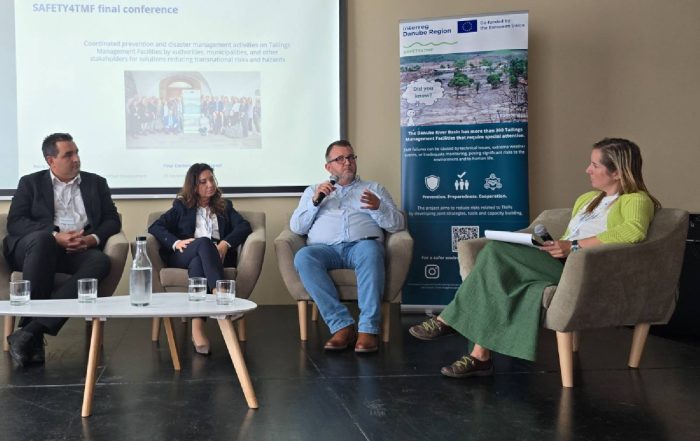
Harghita County also contributed to international results in the SAFETY4TMF project
Practical knowledge for volunteer firefighters, useful information for the public
Representatives of the Harghita County Council also participated in the closing conference of the international SAFETY4TMF project in Budapest, where the partnership reviewed the professional results achieved during the past period, the experience gained from the pilot exercises, as well as solutions supporting the prevention of risks associated with tailings management facilities and emergency response.
At the closing event held on September 28–29, the project partners reviewed the professional results achieved, the training and awareness-raising activities, as well as the lessons learned from the pilot exercises. Particular attention was also given to how the methods and results developed within the project can continue to be used after the project has ended.
One of the project’s important achievements was the review and refinement of the database of tailings management facilities (TMFs). The significance of this is demonstrated by the fact that approximately 5 million people live within the potential 10-kilometre risk zone of such facilities in the Danube River Basin, while more than 1.5 billion cubic metres of tailings are stored in the region.
In Romania, the review resulted in the number of TMFs recorded in the database being revised from 152 to 98, after waste rock dumps and other facilities that did not meet the definition of a TMF were removed from the records.
In Romania, the project’s enhanced geospatial risk assessment method was also tested at the Valea Șesei tailings management facility. By taking topographical and runoff conditions into account, this method can identify more accurately the buildings, infrastructure and river sections that could be affected in the event of a potential accident.
The results achieved by the project in Harghita County also include the training of local volunteer firefighters and the expansion of the equipment available for emergency interventions. A total of 64 volunteer firefighters from Dealu, Praid, Corund and Tibod participated in theoretical and practical training sessions, where they learned, among other things, how to manage flood and flash flood situations and how to use a mobile flood protection system.
Through the project, a mobile flood protection system, protective equipment, mobile containers, a generator and lighting equipment were also procured. These were tested under real-life conditions during the international exercise in Vlăhița.
At the same time, the informational publication What Should We Do?, designed to help prepare the public, was also completed and made available in both printed and online formats. The publication provides practical guidance on how to act in the event of a potential emergency, and its online version is available here:
https://hargitamegye.ro/mit-tegyunk-katasztrofa-eseten/
With the completion of the SAFETY4TMF project, the practical application of the work carried out does not come to an end. The training sessions, the equipment procured, the experience gained during the international exercise and the procedures developed can continue to support the preparedness of local emergency response units and the more coordinated management of emergency situations.
Miercurea Ciuc, October 1, 2026.
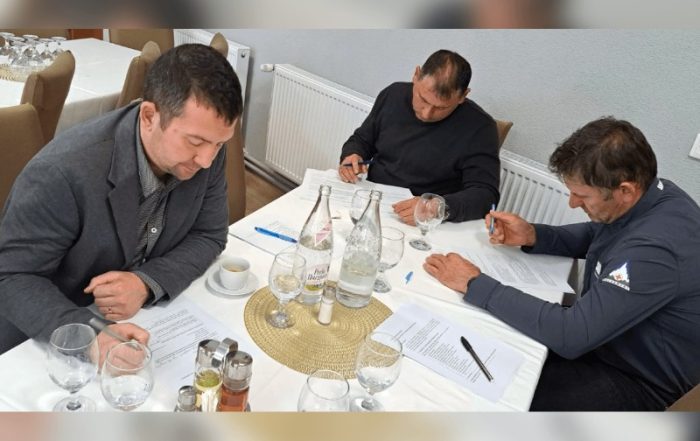
Feedback on the Amendments to the Master Plan for the Hășmaș Mountains Area Sought at the CIBioGo Project Workshop
On September 30, 2026, the Harghita County Council organised a workshop in Gheorgheni within the framework of the CIBioGo – Citizen Participation in Biodiversity Governance project. The main objective of the meeting was to assess how satisfied local and regional stakeholders are with the amendments to the master plan for the Hășmaș Mountains area and to what extent they consider them appropriate for local needs.
Emőke Kopacz, CIBioGo project manager, presented the work carried out within the project and the new aspects incorporated into the master plan following international exchanges of experience. The amendments focus, among other things, on coexistence with large wild animals, water retention and nature-based solutions, as well as the adaptation of forests to climate change. The document also places greater emphasis on the conservation of biodiversity and on strengthening the relationship between natural and cultural values and local communities.
Following the presentation, participants were able to evaluate the amendments to the master plan for the Hășmaș Mountains area using a questionnaire. The feedback collection focused on satisfaction with the changes: how useful and justified the new approaches are considered to be, and to what extent they address the needs of the area. The questionnaire also provided an opportunity to indicate priority topics and the willingness to become involved in implementation.
The assessment provided by local stakeholders offers important feedback on the policy change achieved within the CIBioGo project. Analysing the responses will help establish how the amendments have been received and identify areas where further consultation or cooperation is needed.
The CIBioGo project is implemented with the support of the Interreg Europe programme and helps improve policies aimed at biodiversity conservation by involving local and regional stakeholders.
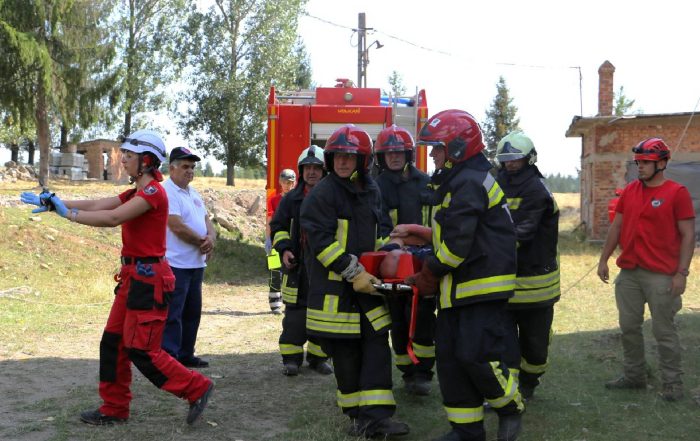
Practical and theoretical training, equipment procurement and an international civil protection exercise among the project’s local results
The results achieved so far by the SAFETY4TMF project were reviewed on September 16 at an online professional roundtable organised by the Ministry of Environment, Water and Forests. Representatives of the Harghita County Council also presented the project’s activities and results in Harghita County, including practical and theoretical training sessions, equipment procurement, publications and events aimed at informing the public, as well as the experience gained during the international civil protection exercise organised in Vlăhița in 2025.
The SAFETY4TMF project involves 15 partners from nine countries. Romania is represented by the Ministry of Environment, Water and Forests, Babeș–Bolyai University and the Harghita County Council. The Harghita County Volunteer Firefighters Association is the strategic partner of the Harghita County Council. The project aims to reduce the risks associated with mining waste facilities and to strengthen the preparedness and cooperation of authorities, local governments and other organisations concerned.
The training activities in Harghita County were organised within the SAFETY4TMF project between July and September 2025 in Dealu, Praid, Corund and Tibod, with the participation of a total of 64 volunteer firefighters. The training aimed to provide practical preparation for flood and flash flood situations and to improve communication and coordination between emergency response teams.
Participants also learned how to use a mobile flood protection system. They practised the entire intervention process, from surveying the terrain to installing, sealing and stabilising the mobile flood barrier, pumping water and dismantling the system. Both slowly developing flood situations and flash floods were simulated in the field. The practical training was supplemented by digital professional training materials.
The results and experience gained during the international civil protection exercise organised in Vlăhița between September 3 and 5, 2025, were also presented. The exercise was coordinated by the Harghita County Council, with the Harghita County Volunteer Firefighters Association acting as its strategic partner.
More than 100 participants took part in the exercise, with emergency response teams arriving from Romania, Hungary and Bulgaria. The exercise continued for 24 hours, including overnight, and involved a total of 14 rescue scenarios. According to the simulated emergency situation, heavy rainfall and beaver activity had blocked the drainage system of an inactive tailings facility located near Harghita-Băi, resulting in an overflow, a partial dam failure and a mudflow moving towards the valley.
The selection of Vlăhița was justified by the area’s mining history and the proximity of a kaolin tailings facility located near Harghita-Băi. According to the data presented, eight mining waste facilities are registered in Harghita County, making preparedness for similar emergency situations important for the county as well.
As part of the project, intervention and logistical equipment worth more than EUR 15,000 was procured. This included a mobile flood protection system, protective equipment, mobile containers, a generator and lighting equipment.
The roundtable also presented the project’s research and professional results. Discussions covered the assessment of risks associated with mining waste facilities, the mapping of vulnerable areas and the modelling of cross-border risks. The methods and mapping solutions developed within the project were presented, together with the experience gained from training sessions and exercises organised in different countries. The professional discussions also addressed how the project’s results could be used in disaster preparedness and in the development of emergency response procedures.
The experience gained during the exercise in Vlăhița can continue to be used in disaster preparedness in Harghita County after the project has ended. The conclusions presented also provide important guidance for the development of emergency response procedures, professional training and public information.
Miercurea Ciuc, September 16, 2026.
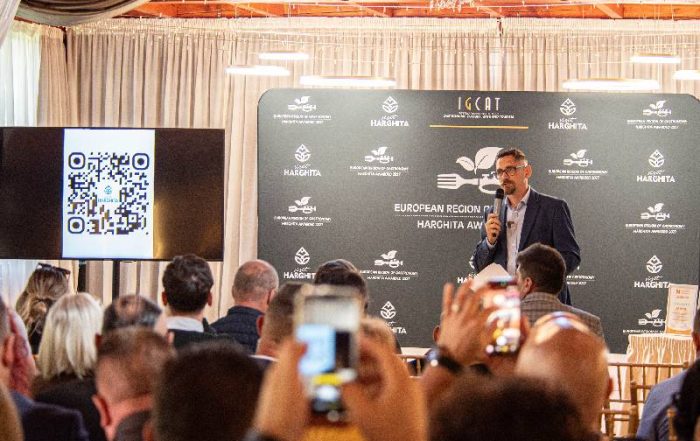
59 hospitality venues received the Orange Butterfly certification
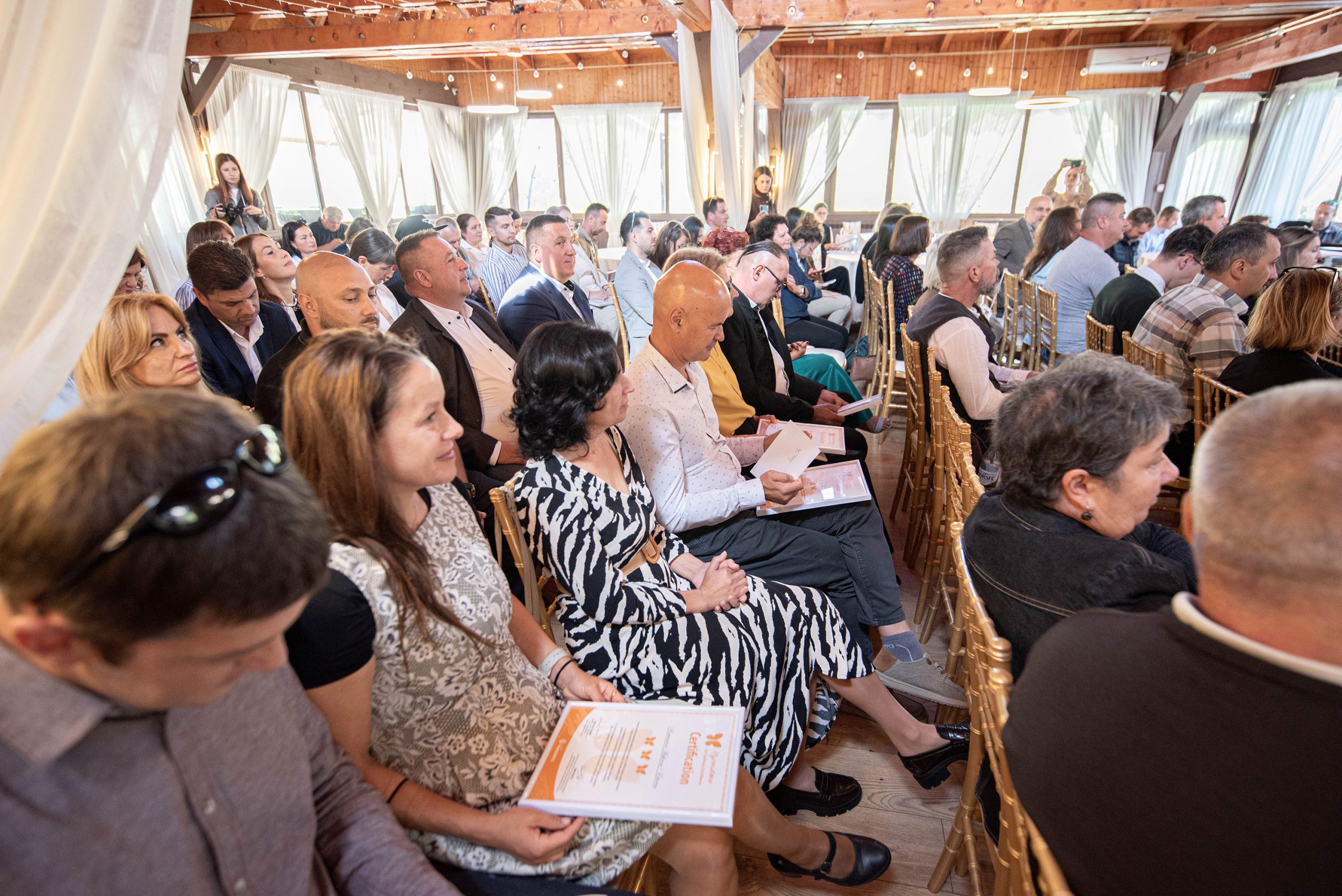
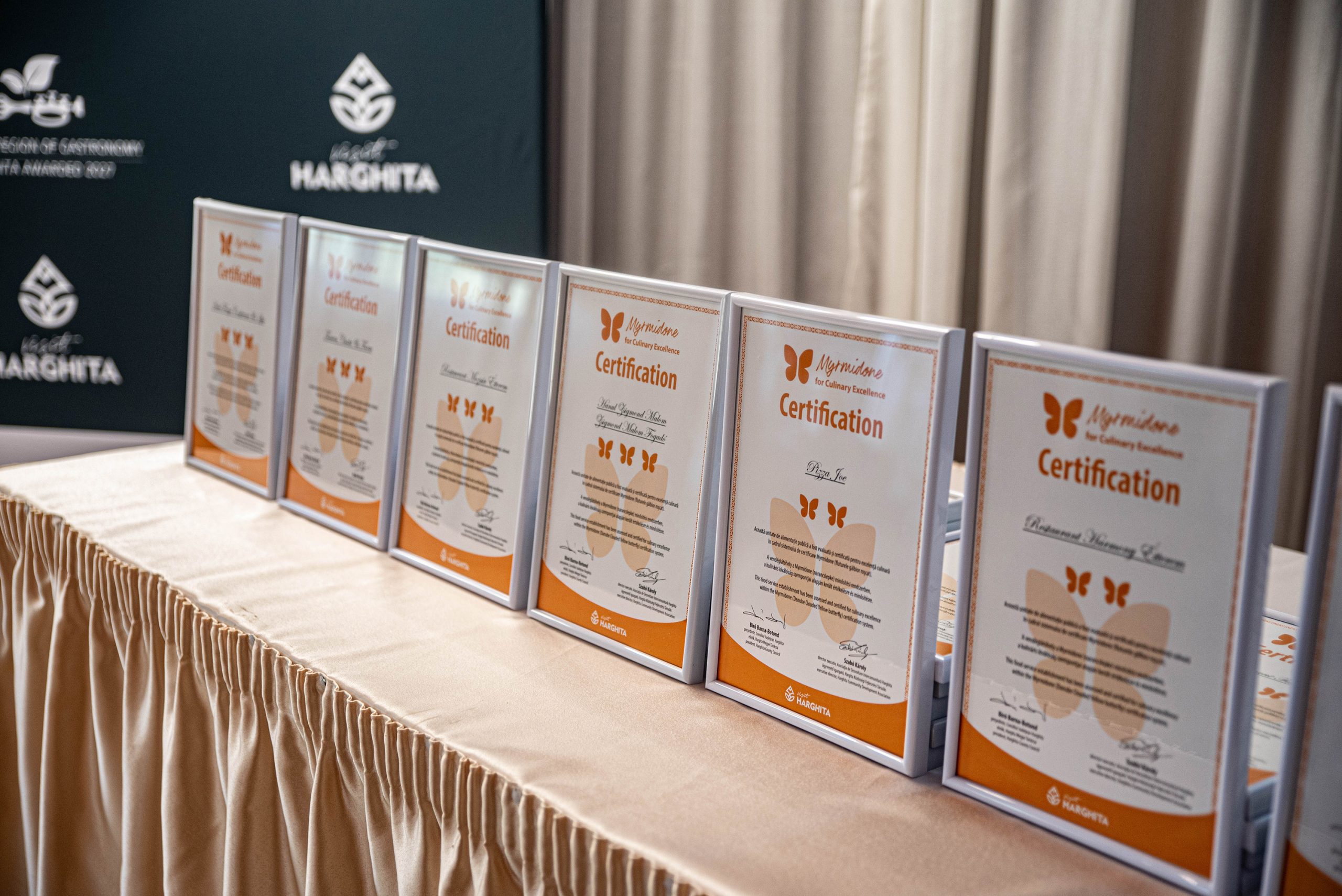
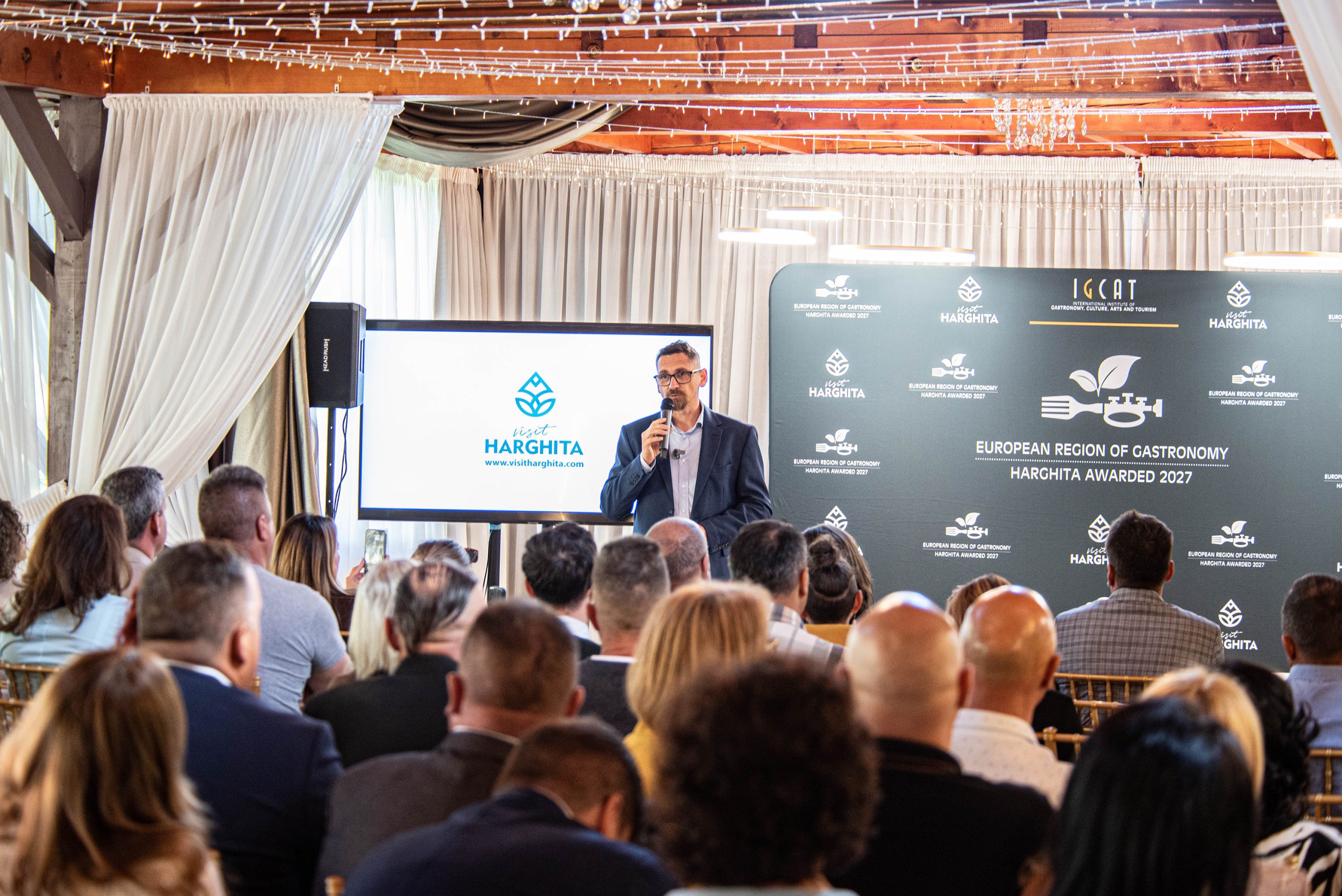
The certificates of the Myrmidone (orange butterfly) certification were awarded in a ceremonial event today, on September 16, at the Park Hotel in Miercurea Ciuc. The certification system is a flagship initiative of the Harghita County – European Region of Gastronomy 2027 program, recognizing conscious hospitality built on local ingredients, producers, and the gastronomic heritage of Harghita County.
A total of 67 hospitality venues applied for the 2026 certification, of which 59 met the conditions set out in the criteria system and the Code of Conduct. The certified venues include restaurants, bistros, and local gastronomic points, among them four establishments from Covasna County. Among the certified venues, eight received one butterfly, eleven received two butterflies, and forty received three butterflies.
Myrmidone is not simply about offering local dishes, but represents a comprehensive hospitality approach that connects stakeholders in the region from local producers and ingredients to the gastronomic experience of the guest. An important element of the certification is the use of ingredients and beverages sourced, where possible, from within a 100-kilometer radius, cooperation with local producers and making them visible, as well as preserving and transmitting the traditional gastronomic values of Harghita County. The system also pays attention to reducing food waste, the Signature Dish list of characteristic local dishes, and multilingual communication.
The certification is named after the strictly protected orange butterfly, Colias myrmidone. This rare species occurs in Europe only in Poland, Slovakia, and Romania, and within Romania it can be found in just two areas, including the Kürücök Valley near Lăzarea and Gheorgheni. The presence of the orange butterfly is a strong indicator of the region’s exceptional natural values, which are closely linked to the quality of local ingredients and the gastronomic heritage of Harghita County.
The Myrmidone certification is closely linked to the Signature Dish list. Within this initiative, which collects the characteristic dishes of Harghita County, a questionnaire survey was used to identify those dishes and desserts that the community considers most representative of the region. The results were evaluated together with twelve local chefs, leading to a selection of fifty highlighted dishes in the Signature Dish collection.
In the future, certified venues will benefit from using the Myrmidone visual identity and the Harghita County – European Region of Gastronomy 2027 logo, as well as enhanced visibility on Visit Harghita platforms, in the program’s communication, and on the region’s gastronomic map. The certification also provides opportunities for participation in various promotional and professional initiatives, including study visits, publications, newsletters, and professional events.
With the certificate award, a community has begun to take shape whose members work together to ensure that the local flavors, producers, gastronomic traditions, and hospitality venues of Harghita County are more prominently represented in the region’s tourism offer. The aim of the Myrmidone certification is that local values should not only appear on the plate, but come together as a comprehensive gastronomic experience that connects the local community, the natural environment, and hospitality.
European Region of Gastronomy
European Regions of Gastronomy (candidates and awardees), selected and managed by IGCAT, aim to contribute to improving the quality of life of their citizens by raising awareness of the importance of cultural and gastronomic uniqueness, while:
- encouraging creativity and gastronomic innovation,
- intellectually nourishing children and adults through culinary education,
- improving the quality of sustainable tourism,
- strengthening circular economies in both urban and rural environments,
- supporting the well-being and health of communities and the environment.
IGCAT provides the award with the support of international and European institutions. Regions also join the global platform of awarded and candidate Gastronomic Regions to promote long-term benefits, increase international visibility, and support knowledge sharing.
The European Region of Gastronomy title recognizes communities (cities, counties, regions, islands, or countries) that, in the spirit of sustainable development and through community cooperation, place strong emphasis on their gastronomic heritage. Preserving and protecting local food, drinks, agricultural products, as well as cultural and natural values, is of particular importance for them.
The title is a recognition that widely promotes the achievements, programs, community cooperation, and responses to future challenges of the given region, but it does not include a monetary prize.
Members of the Harghita County consortium:
- Harghita County Council
- Harghita Community Development Association
- Miercurea Ciuc City Hall
- Odorheiu Secuiesc City Hall
- Gheorgheni City Hall
- Association of Szekler Farmers’ Organizations
- Sapientia Hungarian University of Transylvania, Faculty of Miercurea Ciuc
- Páva KulinarIQum Association
- Boro Info
- Honline Media (Székely Konyha és Kert)
- Association of Ciuc Hospitality Providers
- Pro Economica Foundation

Several settlements and institutions in Harghita County are also joining the initiative
With pedestrian and cycling programs, car-free days, tours and environmental actions, the settlements of Harghita County are preparing for the European Mobility Week. The initiative, taking place between 16–22 September, is also joined by the Harghita County Council, which encourages residents of the county to leave their cars at home whenever possible and choose alternative modes of transport.
Prior to the mobility week, the Harghita County Council invited local governments, educational institutions and its subordinate institutions in the county to join the programme with their own initiatives. Several regions responded to the call, so in the coming days there will be pedestrian and cycling programmes, car-free days, tours, environmental actions and school initiatives across Harghita County.
This year’s central theme of the initiative is “Mobility for All”, which focuses on sustainable and accessible transport options for everyone, as well as intergenerational fairness. More information about the European Mobility Week is available at the following link: https://mobilityweek.eu/home/
Among the programmes are “Walking Bus” initiatives, which support children’s safe walk to school. In Miercurea Ciuc, the Walking Bus, operating for the fifth year, accompanies nearly 200 children daily on eleven routes, while environmentally friendly transport is also encouraged through free public bus transport available to everyone on weekends. In Ciceu, a cycling parade and a drawing competition will be organised, in Frumoasa the municipal staff will travel by bicycle to an off-site meeting. In Odorheiu Secuiesc, alongside the “Travel with us and win!” initiative, there will be a historical bus exhibition and a Car-Free Day. In Remetea, a 24-hour swimming marathon and a local car-free day will also take place, while ADI Nagyhagymás joins the mobility week with cycling tours and nature protection programmes. In addition, several schools and institutions are joining the initiative with their own programmes.
On the closing day of the European Mobility Week, on 22 September, the European Car-Free Day, the staff of the Harghita County Council will also join the action. The institution asks its employees to leave their cars at home if possible and come to work on foot, by bicycle, by public transport or by other alternative means.
The Harghita County Council also encourages residents of the county to join the European Mobility Week. The full list of programmes announced so far can be found below. The list remains open, so additional local governments, institutions and communities can still join with their own initiatives.
The Harghita County Council asks residents to document their participation in the initiative with photos and send them to the email address [email protected]. The submitted photos will be used by the institution in its communication related to the mobility week.
Programmes announced so far in Harghita County:
- Mayor’s Office of Sânmartin
- Walking Bus programme
- Ciceu – János Kájoni General School
- Green way to school – 22 September
- Cycling parade – 25 Sept., Friday, start at 16:00
- Drawing competition – 24 Sept.
- Municipality of Frumoasa
- Staff cycling – off-site meeting – 22 September
- Miercurea Ciuc City Hall
- Walking Bus programme – on eleven routes, ensuring organised and safe school commuting for nearly 200 children on school days
- Free weekend bus transport – travel is free for everyone on Csíki Trans routes on Saturdays and Sundays
- Odorheiu Secuiesc Mayor’s Office – 22 September
- “Travel with us and win!” – initiative promoting sustainable and alternative transport modes;
- Historical bus exhibition in the museum courtyard, where a raffle will be held among participants of the “Travel with us and win!” campaign, with a premium bicycle as prize;
- Continuation of the “Walking Bus” programme, promoting pedestrian transport and active mobility. Within the programme, escorts help students to safely reach their educational institutions from their residential areas during the school year;
- Car-Free Day – 22 September. Staff of the Mayor’s Office are encouraged to choose alternative and environmentally friendly means of transport instead of cars.
- Remetea Mayor’s Office
- Walking Bus programme
- 5th Steel Power Fitness Day – 19 September
- “Dive in!” – 24-hour swimming marathon, relay – 19 September
- Local Car-Free Day and drawing competition – 22 September
- Odorheiu Secuiesc, Gábor Bethlen General School
- Walk into the green – let’s step for nature programme – 21 September
- ADI Nagyhagymás
- Sunrise at Mária-kő – hiking – 6 September
- Egyes-kő, Öcsém Mountains and Jávárdi Waterfall – hiking – 13 September
- Cycling tour – 20 September
- Environmental awareness and nature protection: joining the “Let’s Do It, Romania!” programme – 18 September
- School of Nature programme – between 21–25 September
- Homoródszentmárton Mayor’s Office
- Group walk for schoolchildren programme
- Mayor’s Office of Căpâlnița
- “Let’s Do It Romania” waste collection programme – 18 September
- Harghita County Cultural Centre and Via Mariae Association Romania
- “Let us pilgrimage together from Mary to Mary” programme: ceremonial inauguration of the Via Mariae in Romania – 19 September
- Miercurea Ciuc County Emergency Hospital
- Pharmaceutical waste collection – 17 September
- Lueta, Mózes Székely General School
- Walking Bus programme
- Two wheels – one community / cycling parade – 19 September
- Galócás Mayor’s Office
- Discover Galócás on two wheels, for a greener future! – inauguration of a cycling route – 19 September
Miercurea Ciuc, 15 September 2026.
Stakeholders discussed the development of the social economy and European best practices in Miercurea Ciuc
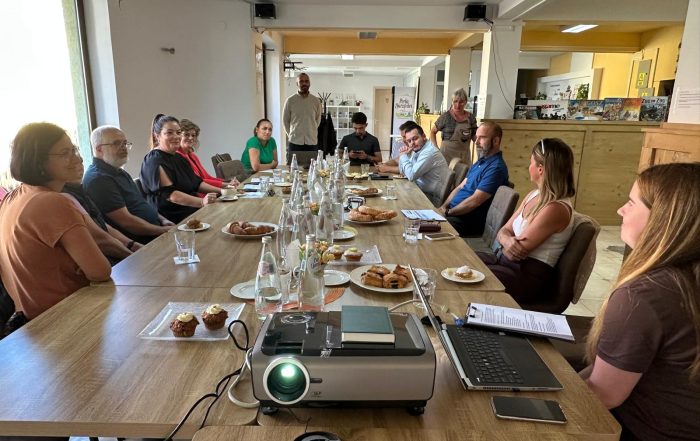
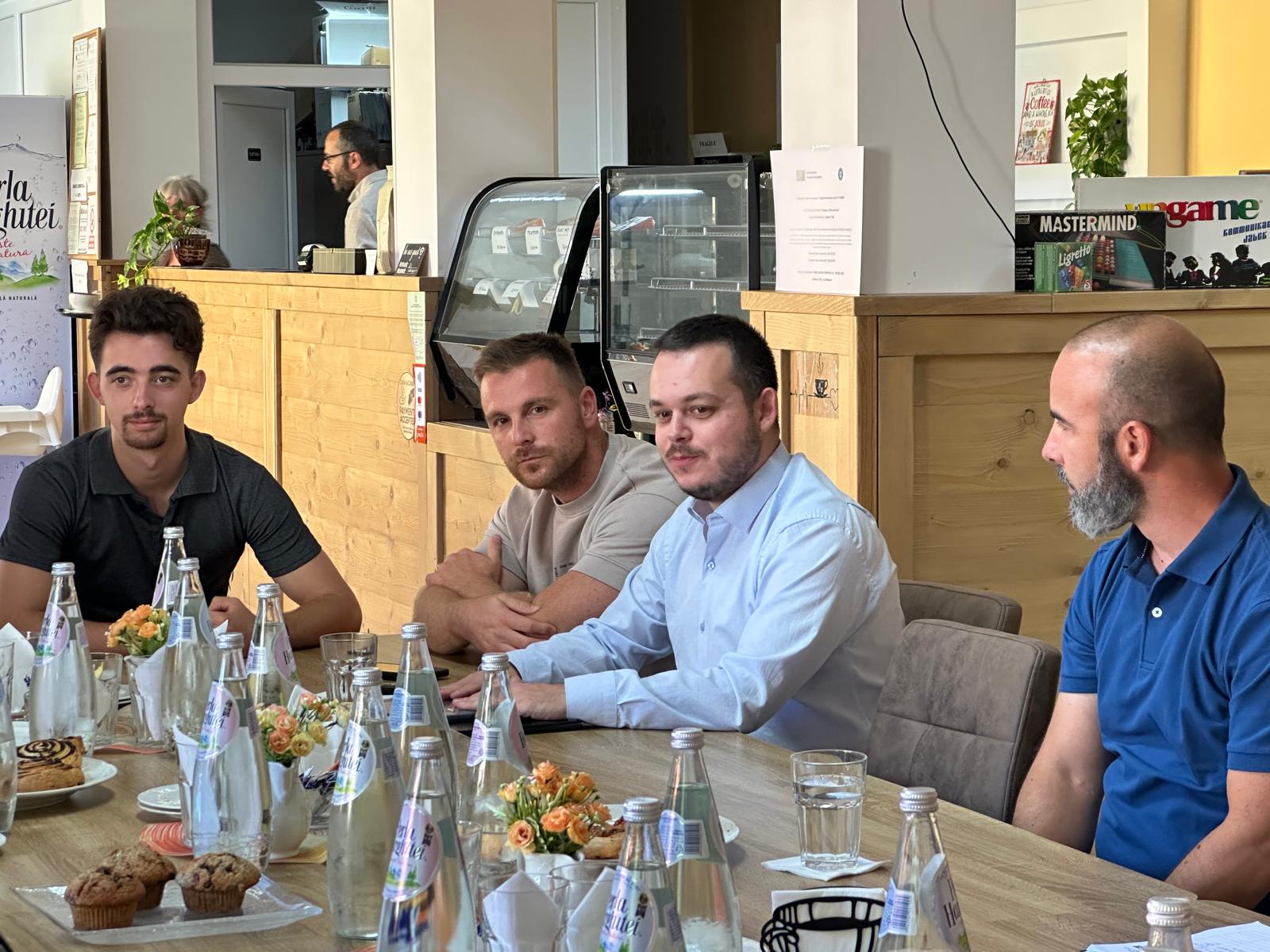
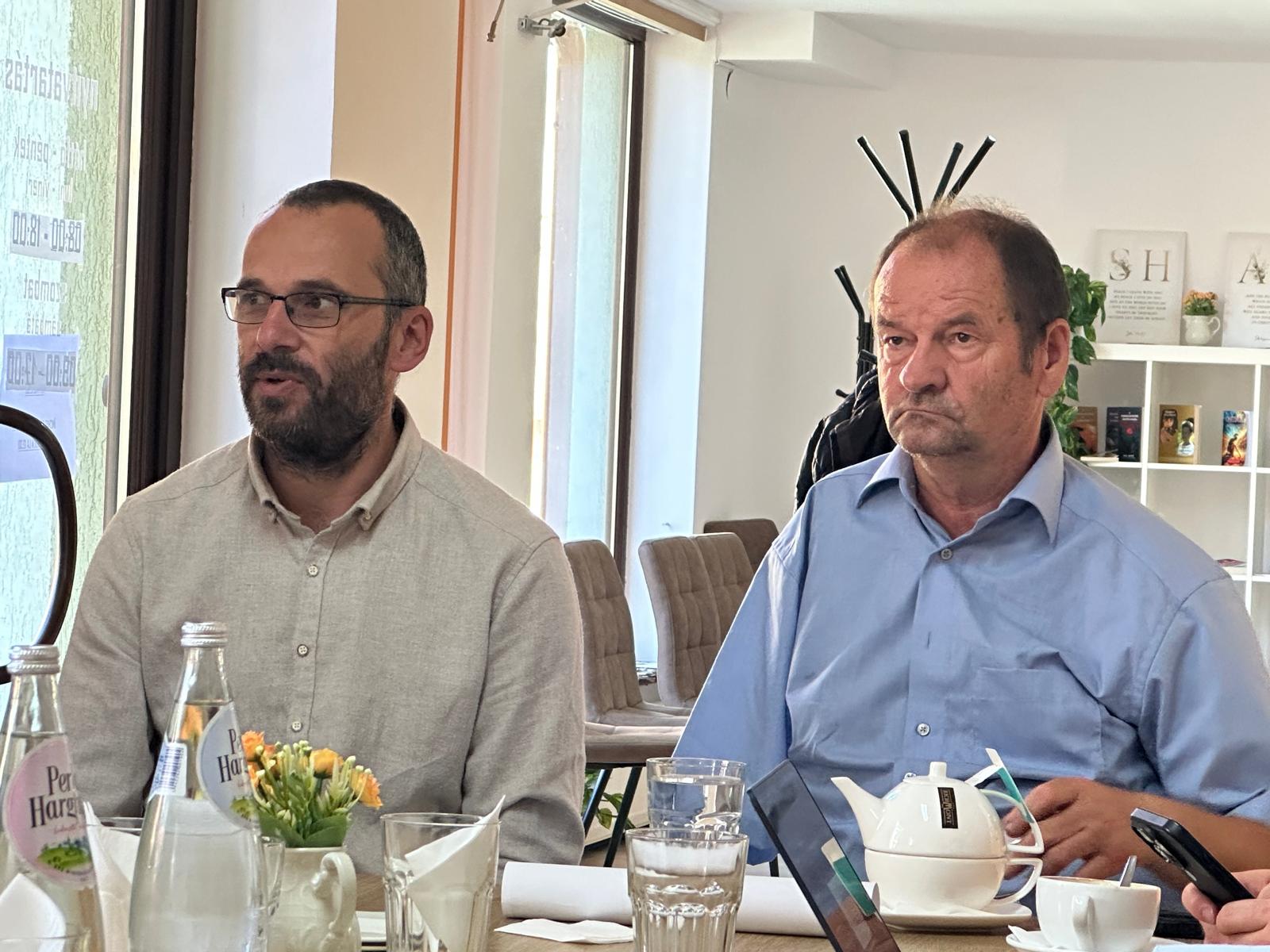
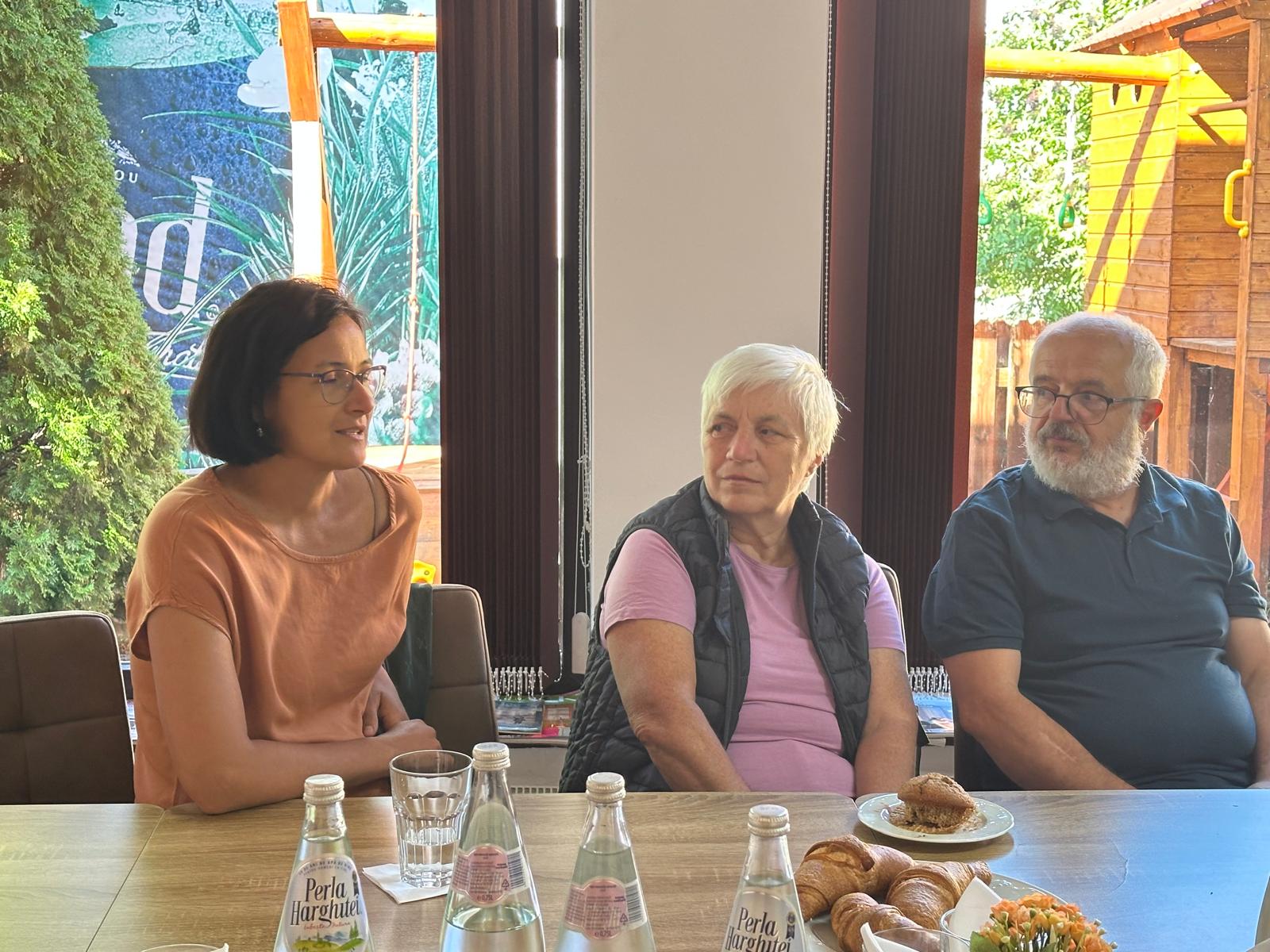
Miercurea Ciuc, 28 August 2026 – A stakeholder meeting was held in Miercurea Ciuc to discuss the state of the social economy in Harghita County, its development in recent years, and the possibilities of applying European experiences at the local level, within the framework of the SECON – Social Economy – Regional Policies for Supporting Social Economy Enterprises project. The event was hosted by the Kettőspont Milk Bar and Café.
The SECON project is implemented through the cooperation of ten organizations from nine European countries and aims to improve policy instruments supporting the social economy through interregional exchange of experience, research, and best practices. Among its objectives are increasing the visibility of social enterprises, improving access to funding and public procurement opportunities, providing professional support to enterprises, and strengthening their role in the green and digital transition.
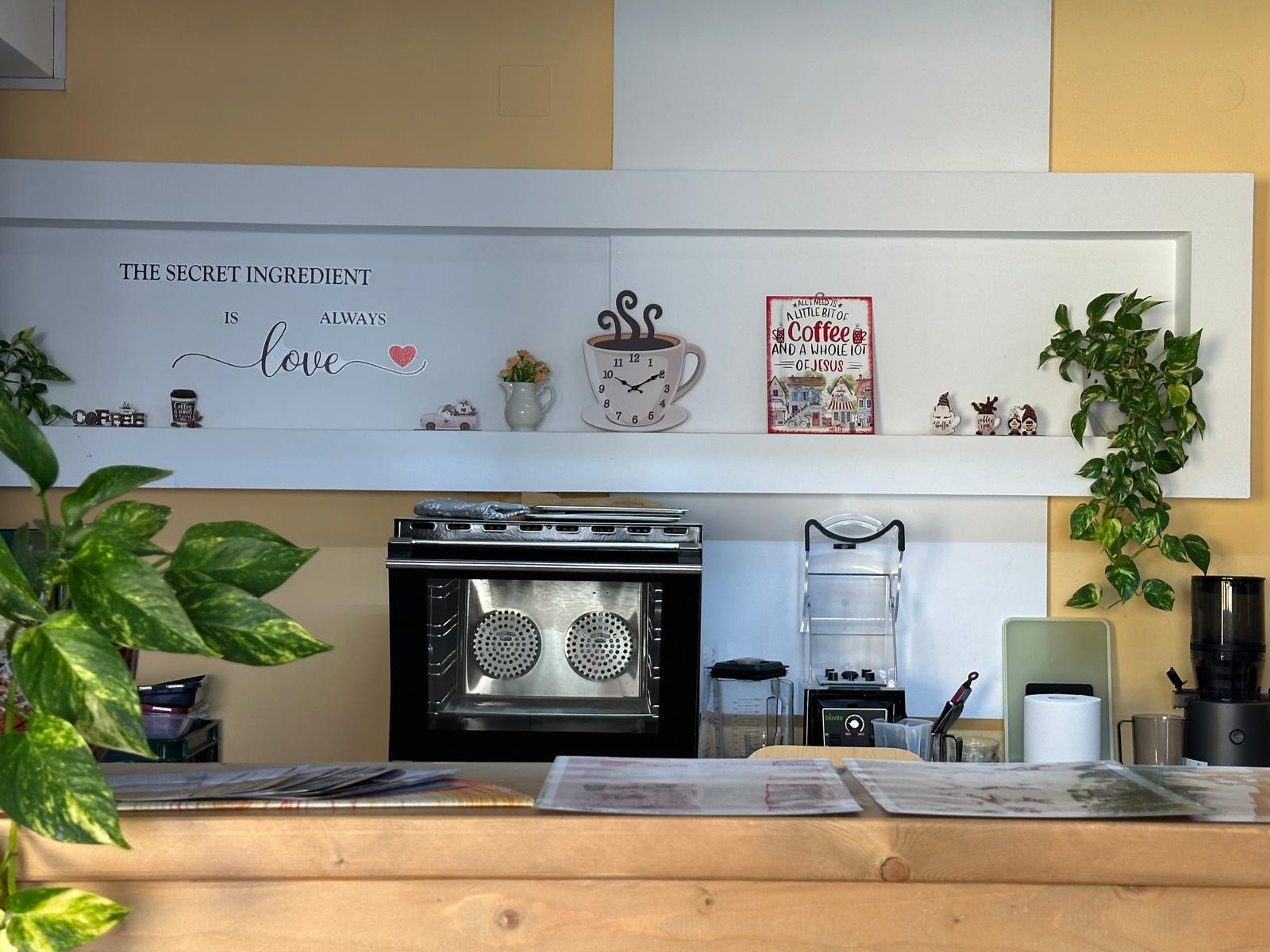
The venue of the meeting, the Kettőspont Milk Bar and Café, is itself a good example of a social enterprise. The café, opened in February 2026, was established by a couple from Miercurea Ciuc with the aim of creating a family-friendly place in the city where parents with small children can feel comfortable. The business was established with €61,000 in European Union funding and currently provides jobs for four people, including disadvantaged individuals. Kettőspont is not only a hospitality venue but also plays an important role as a community space: it regularly hosts events, lectures, and various community programs, primarily targeting families with young children and mothers. In recent months, the venue has hosted baby–mother programs, craft workshops, and community events, and plans include thematic evenings, discussions, and film screenings. The project funding covers operating costs until October 2026, after which the enterprise must ensure sustainable operation from its own revenues. As part of its operating model, 90 percent of the profit is reinvested in social purposes.
At the meeting, Árpád Csiszer, representative of the Right Association, presented best practices learned at the SECON international meeting in Mannheim. Among these, he highlighted the German initiative Das andere SchulZimmer (“The Other Classroom”) as particularly interesting and potentially applicable for the Right Association. The Mannheim program supports young people who have dropped out of school or are in difficult life situations by providing personalized, out-of-school learning opportunities. The initiative started in 2018 with limited funding and volunteer work, and later built its operations through private donations, corporate and community support, public funding, and foundation resources. Over seven school years, it contributed to 113 successful school qualifications, achieving a 97 percent success rate.
The German example is also close to the vision of the Right Association because it creates opportunities for supporting, developing, and socially integrating disadvantaged target groups through a concrete activity. This approach may also be relevant for the sewing workshop planned by the Right Association.
Another key topic of the meeting was the significant increase in the number of social enterprises in Harghita County. According to data presented by Árpád Cilip and Cristian Gligor, representatives of the Pro Siculi Development Association, there were 16 social enterprises in 2022, 27 in 2023, 27 in 2024, and already 95 in 2025. This growth was largely supported by funding calls launched in recent years to support social enterprises, which encouraged the establishment of new businesses and the development of the sector. Under the most recent call in Harghita County, 11 grant contracts were signed, supporting seven urban and four rural enterprises.
Currently, 106 social enterprises hold valid status in the county. According to data presented in 2026, out of the 95 enterprises, 92 submitted their annual report for 2025. In total, 118 social enterprises had status, of which 11 had their status withdrawn at their own request or due to failure to submit the annual report, while one enterprise’s status expired and was not renewed. This resulted in the current total of 106 social enterprises with valid status.
According to participants, the social economy in Harghita County has undergone significant development in recent years, supported in part by funding calls for social enterprises. However, alongside the growth in the number of enterprises, it is also important to promote a broader understanding of the concept and real social role of the social economy. It is essential that the term “social” does not merely refer to a business model, but that it is understood that these enterprises, in addition to their economic activities, serve social or community purposes and contribute to the employment of disadvantaged people, the strengthening of local communities, and the addressing of social challenges. With the increasing number of enterprises, cooperation and exchange of experience are becoming increasingly important: there is a need for a community and regular meeting opportunities where social enterprises can share their experiences, challenges, and effective solutions.
One of the key conclusions of the stakeholder meeting in Miercurea Ciuc is that, alongside the growth in the number of social enterprises, there is a need for a forum that facilitates cooperation and the sharing of experiences, which is increasingly important. It is essential for social enterprises to maintain connections with each other, share good practices, and jointly seek solutions to emerging challenges. This aligns well with the objectives of SECON, which supports interregional exchange of experience and the sharing of best practices.
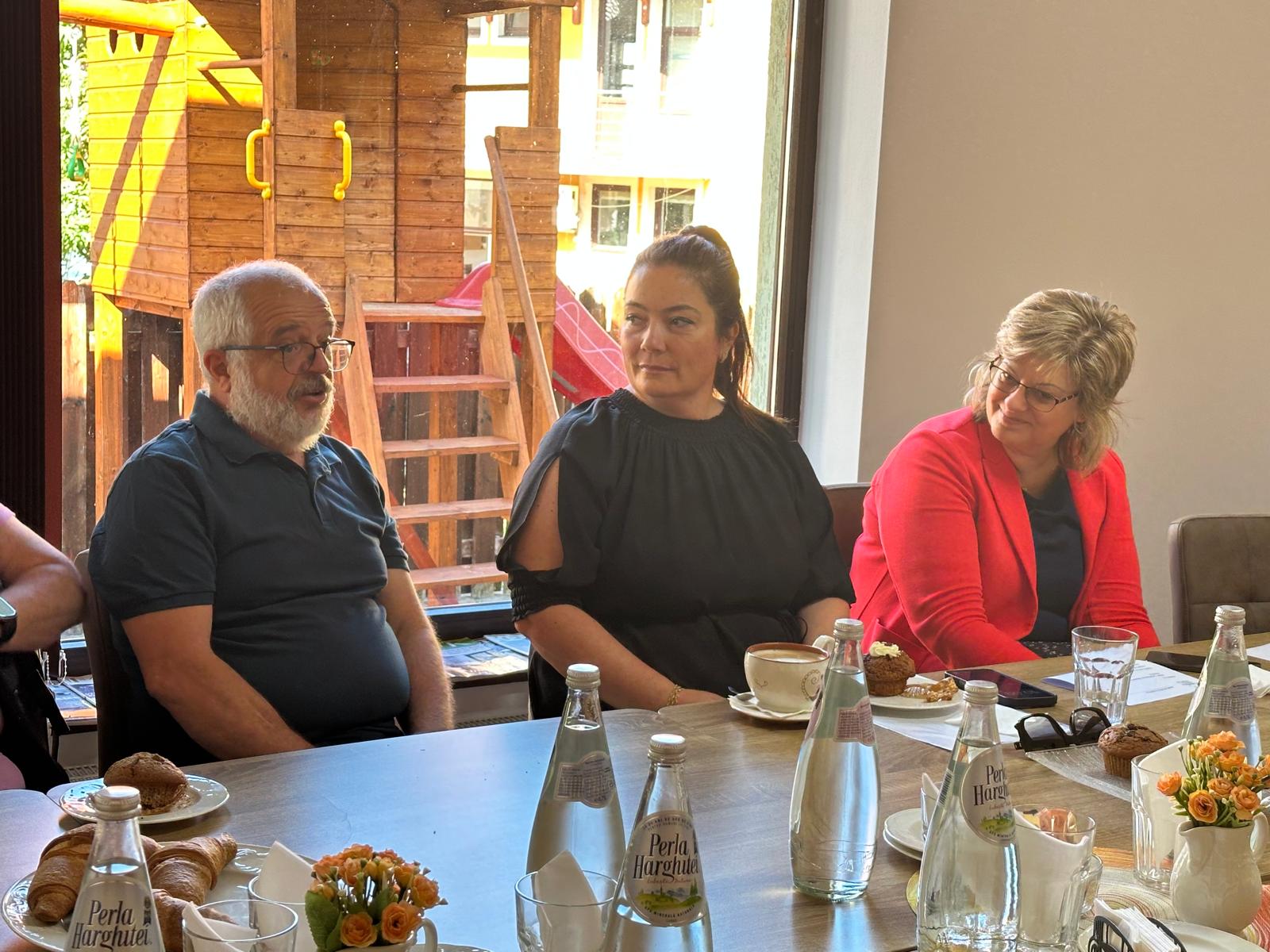
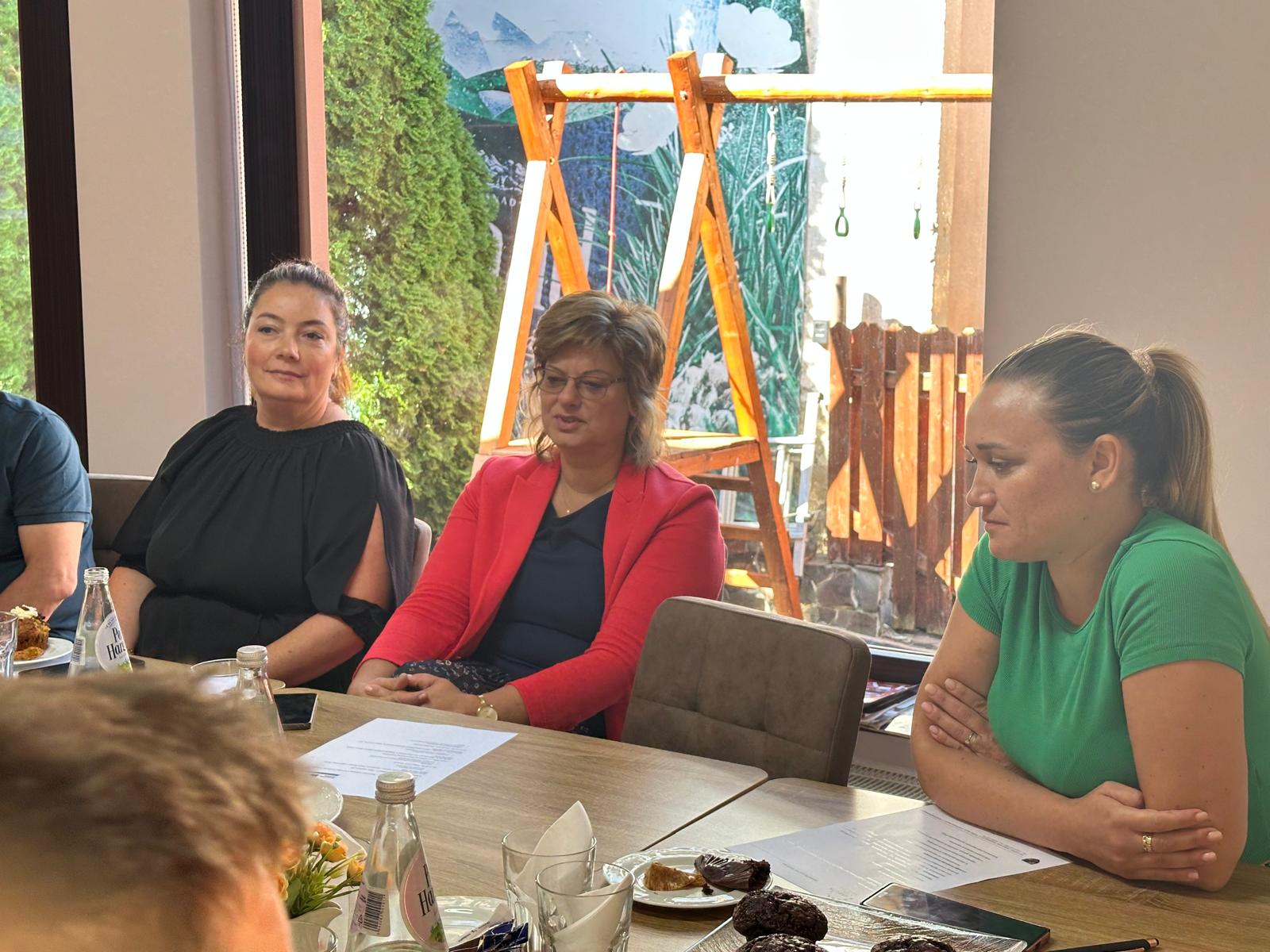
Harghita County has officially become Romania’s first green destination
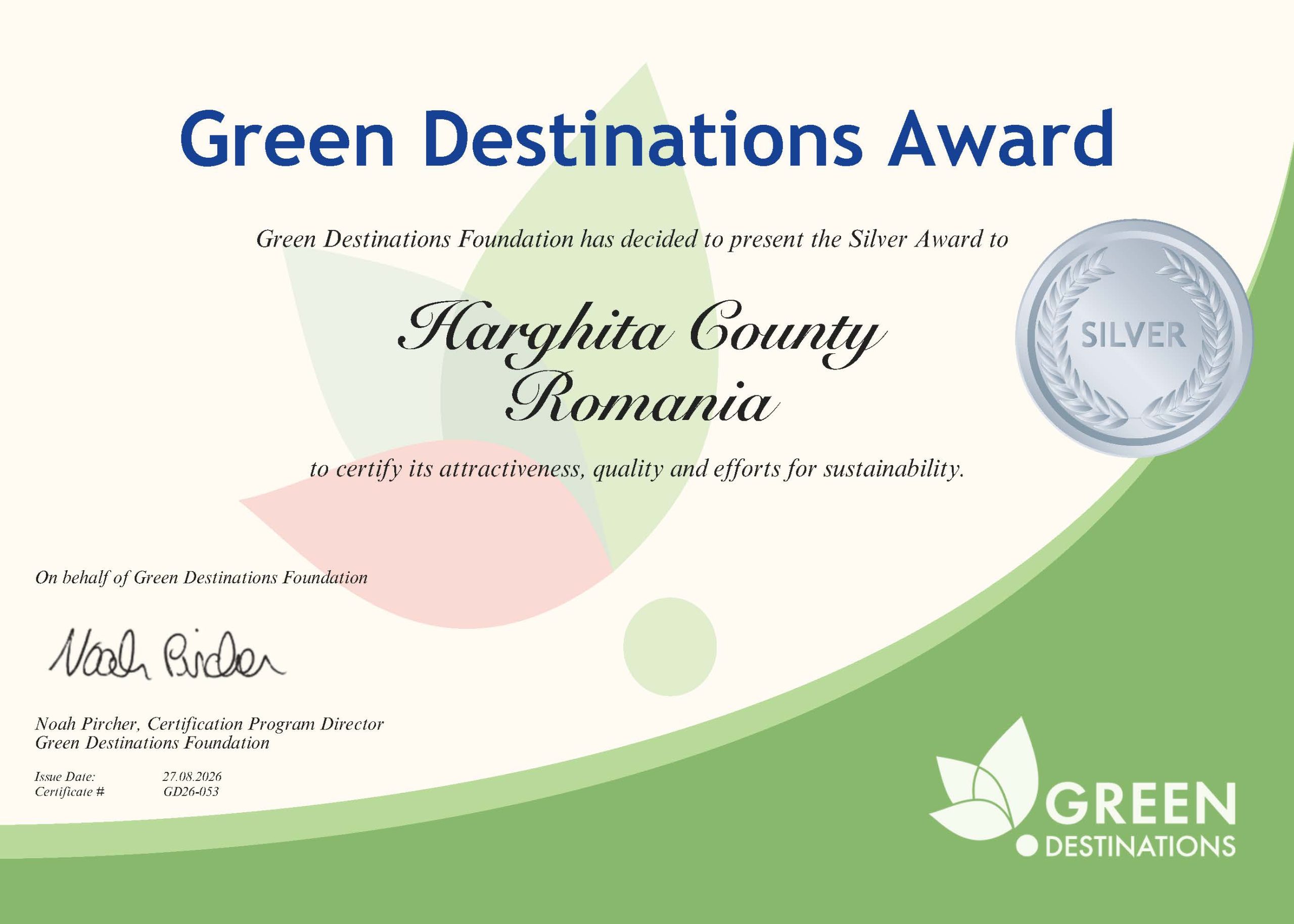
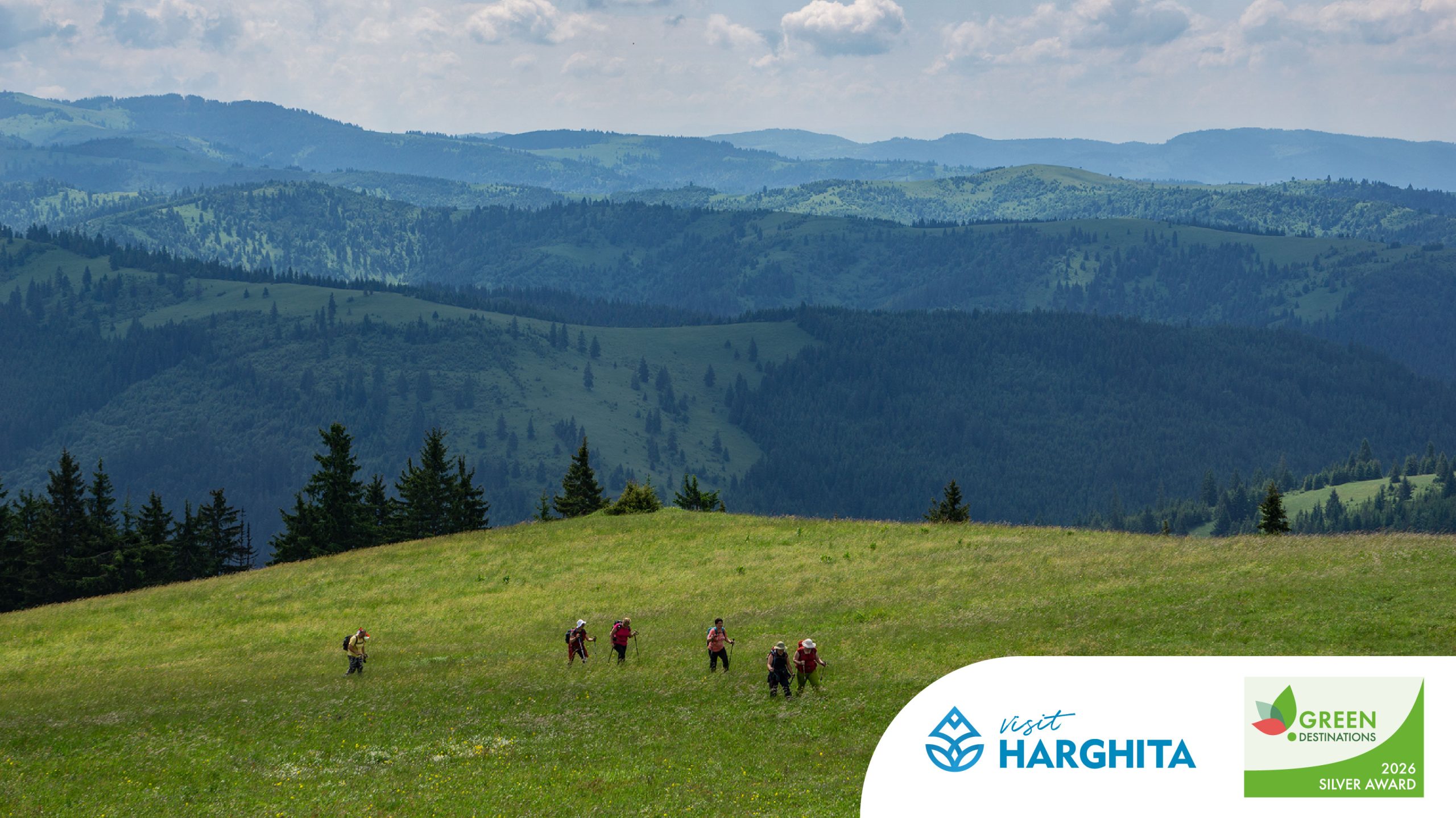
A new important milestone on the path of sustainable tourism: Harghita County has been awarded the internationally recognized Green Destinations Silver certification, becoming the first region in Romania to be included on the Green Destinations global map.
This prestigious recognition is the result of a comprehensive sustainability audit, during which Green Destinations experts assessed, among other aspects, destination management, the protection of cultural heritage, nature and landscape conservation, the well-being of local communities, and the sustainability efforts of tourism businesses.
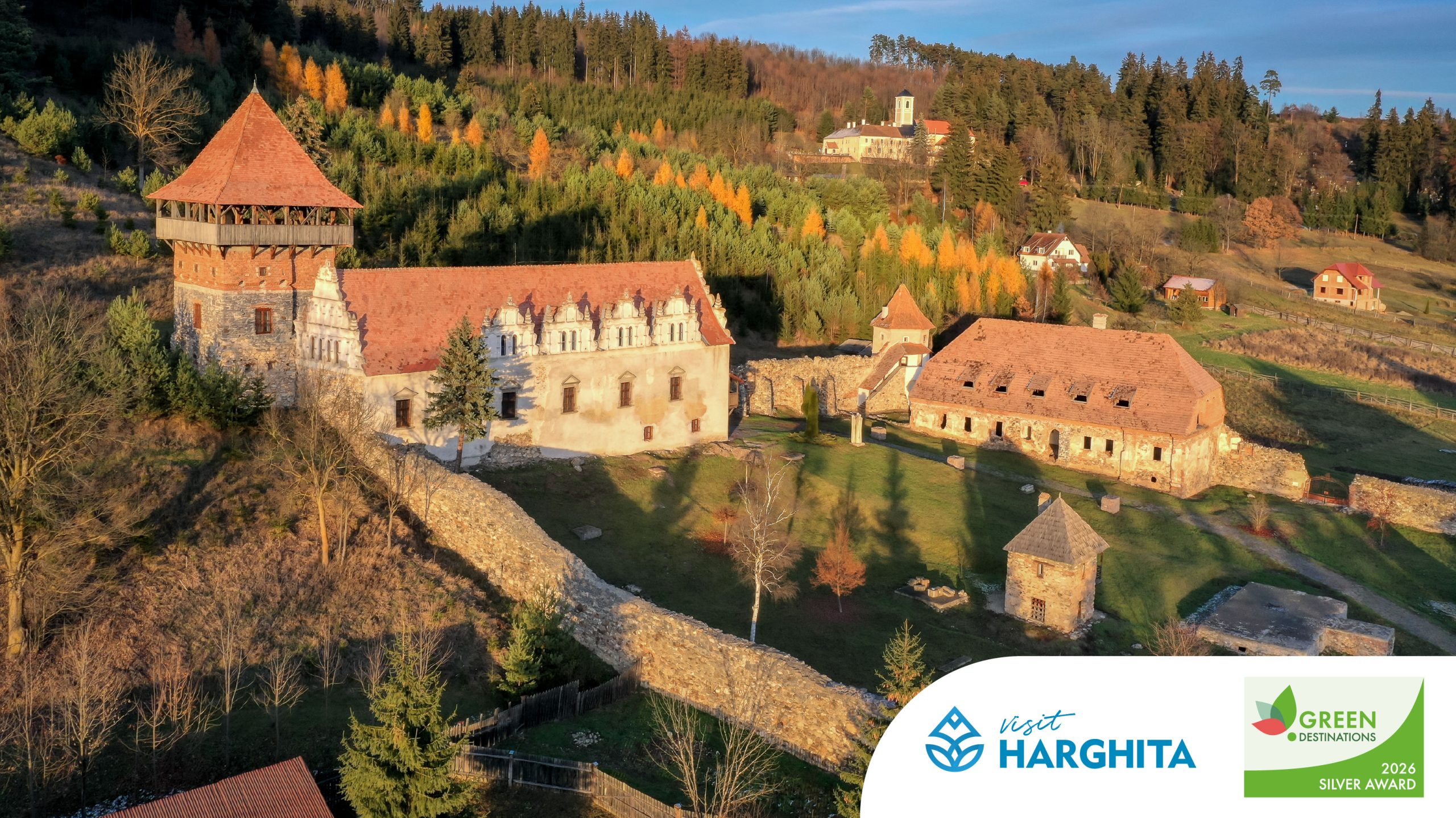
During the audit, Harghita County achieved an average score of 7.5 across the six evaluated areas, meeting the requirements for the Silver Award level. The highest score, 9.2, was achieved in the field of culture and traditions. The expert evaluation highlighted the strong commitment to preserving both tangible and intangible cultural heritage, programs supporting local crafts and traditions, as well as the protection and promotion of gastronomic heritage. The audit also specifically praised the role of traditional culture in tourism. The Myrmidone (orange butterfly) program, which aims to identify and recognize traditional foods and the establishments that prepare them, was also cited as an important example in the evaluation. According to the experts, preserving and bringing local heritage to life is one of Harghita County’s greatest strengths.
An outstanding result was also achieved in the area of social well-being, where the county scored 8.6. The evaluation positively highlighted, among others, respect for residents’ rights, measures aimed at accessibility, and recent steps taken to involve local communities and monitor their satisfaction.
Harghita County also achieved a score of 7.1 in destination management, nature and landscape, as well as in business and communication. Experts emphasized the strategic role of the Harghita Community Development Association (Visit Harghita), the commitment to sustainable tourism, and initiatives supporting the sustainability of tourism enterprises.
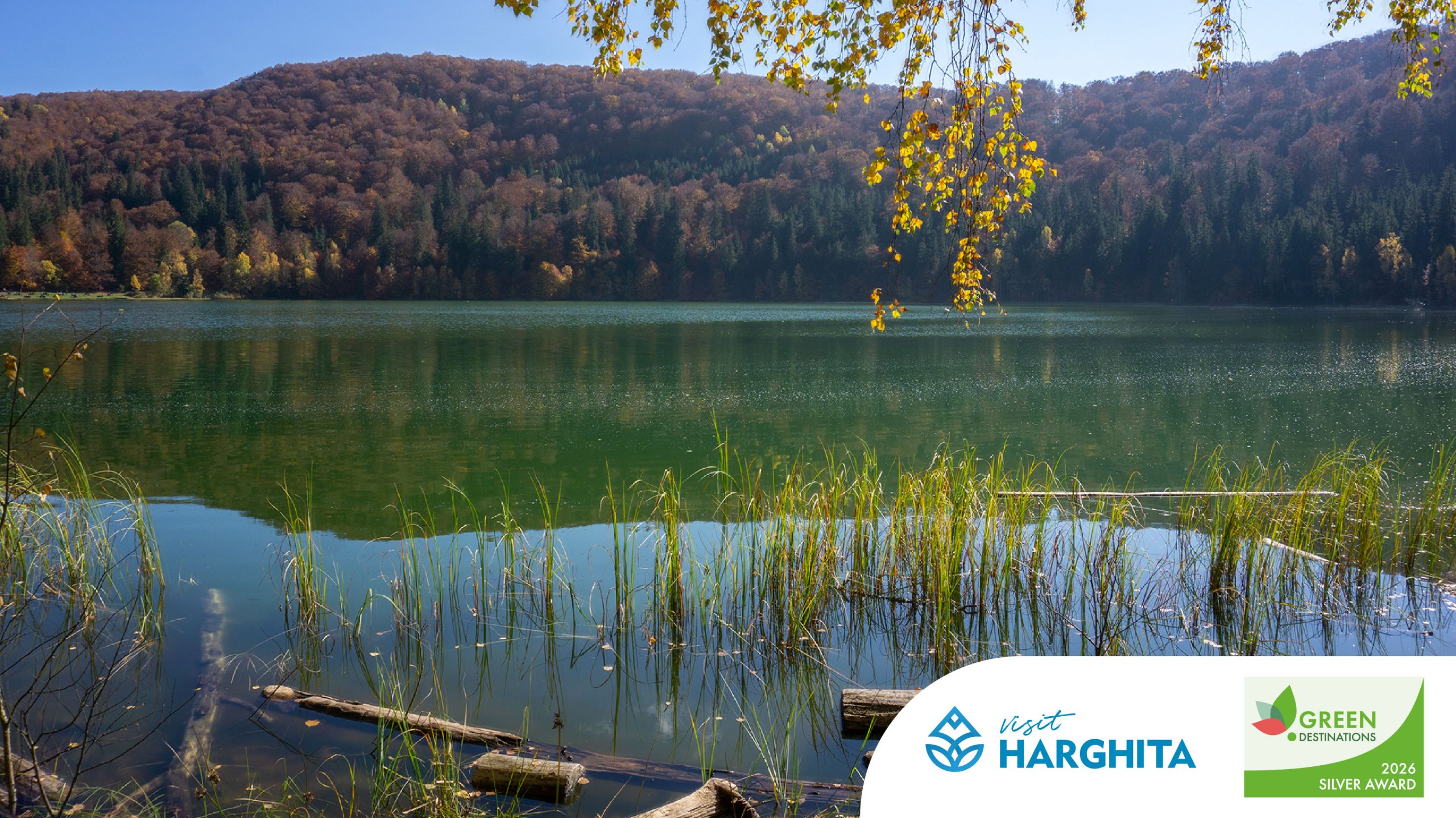
Regarding the protection of nature and landscape, the audit specifically mentions the site-specific management of Lake Saint Anne and the Mohos peat bog, the information and behavioral guidelines provided to visitors, as well as initiatives involving schools and local organizations that contribute to forest conservation and tree planting.
Overall, Green Destinations experts gave a positive assessment of Harghita County’s sustainability efforts, highlighting that the destination has consistently worked in recent years to make sustainability a central element of tourism development. According to the audit, the commitment to sustainable tourism is evident among both destination staff and tourism stakeholders.
International recognition and new opportunities
The Green Destinations Award is an internationally recognized benchmark in the field of sustainable destination management. The program evaluates the sustainability performance of destinations based on the Green Destinations Standard and connects recognized regions into an international network where participants can share their experiences and best practices. By obtaining the Silver Award, Harghita County will be featured on Green Destinations’ international platforms, including the organization’s destination collection. The recognition also creates opportunities for Harghita County’s sustainability achievements to become more visible to an international tourism audience.
“The fact that Harghita County is the first in Romania to receive this international certification shows that we are at the forefront of sustainable tourism. In recent years, we have placed strong emphasis on green, slow tourism. It is particularly noteworthy that the expert group awarded the highest score, 9.2 out of 10, in the field of culture and traditions. This demonstrates that in Harghita County, the past is not a burden but can also be a competitive advantage. We are very pleased with this new international recognition and proud of the tourism stakeholders, our academic and business partners with whom we have worked together. I congratulate the Visit Harghita team, as our joint efforts have helped draw attention to Harghita County as the first in the country. I trust that this will also provide momentum for preparations for the 2027 gastronomic year,”
said Barna-Botond Bíró, President of the Harghita County Council.
The certification represents a particularly important milestone ahead of a year when Harghita County will hold the title of European Region of Gastronomy. The Green Destinations recognition also confirms and reinforces the work carried out in recent years by Visit Harghita and the county’s tourism stakeholders. The international recognition of sustainability and local gastronomic heritage are mutually reinforcing values that together create a strong foundation for further increasing Harghita County’s visibility, attractiveness, and competitiveness on both the domestic and international tourism markets.
For Harghita County, the green destination status is not just a title, but a long-term commitment: to develop tourism while preserving everything that makes the region unique.

Harghita County Council joins the European Code of Practice on AI Transparency
Harghita County Council has joined the European initiative entitled the Code of Practice on Transparency of AI-Generated Content, thereby reaffirming its commitment to the responsible and transparent use of artificial intelligence.
The Code of Practice, developed by the European Commission’s AI Office, provides a common set of guidelines for the transparent labelling of content generated or manipulated by artificial intelligence, facilitating the consistent implementation of the AI Act across the European Union.
By signing the Code, Harghita County Council publicly commits not only to complying with EU legislation but also to following the good practices developed by the European Commission in the institutional use of artificial intelligence, thereby strengthening the credibility of digital content, the transparency of institutional communication, and public trust.
The transparency obligations set out in the European Union’s Artificial Intelligence Act (AI Act) become applicable from 2 August 2026. From that date, in specified cases, images, audio, video, and certain text content of public interest generated or manipulated by artificial intelligence must be clearly labelled. By joining the Code of Practice, Harghita County Council becomes one of the European institutions and organisations that voluntarily commit to following common European practices promoting the transparent, responsible, and ethical use of artificial intelligence.
Further information about the Code of Practice and the AI Act transparency rules is available on the official website of the European Commission.
Miercurea Ciuc, 27 July 2026
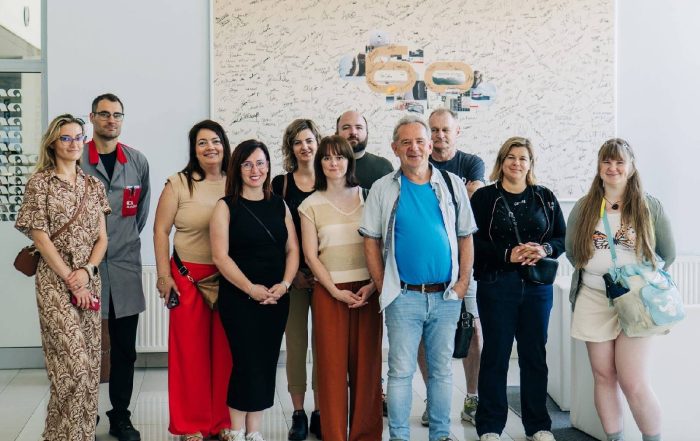
The Harghita County delegation explored best practices of dual education in Slovenia
Within the framework of the Erasmus+ EASI project, they studied methods that can support the more effective preparation of young people for the labour market in Harghita County. Participants examined the functioning of dual education in automotive, pharmaceutical, agricultural, and innovation companies, as well as in vocational education institutions.
Between 15–18 June 2026, representatives of the Harghita County Council took part in a study visit to Slovenia under the Erasmus+ funded EASI (Enhancing Assessment Skills of In-company Tutors Hosting International Students for Improved Work-based Learning Evaluation) project, hosted by the Šolski Center Novo mesto.
During the professional programme, participants gained insight into the Slovenian vocational education system and became familiar with best practices that foster cooperation between educational institutions and economic actors. As part of the study visit, they explored the operations and training collaborations of Adria Mobil, Krka d.d., the Rudolfovo Science Center, GRM – Secondary School Center of Biotechnology and Tourism & Agricultural School, as well as the Colnar company.
The visits focused on work-based learning, dual education, the role of in-company mentors, and methods for assessing competencies acquired during practical training.
The study visit provided an opportunity for international exchange of experience, learning about innovative educational models, and strengthening professional connections that can contribute in the long term to improving the quality of vocational education and enhancing young people’s labour market readiness in Harghita County.
The mobility was co-financed by the European Union under the Erasmus+ programme.
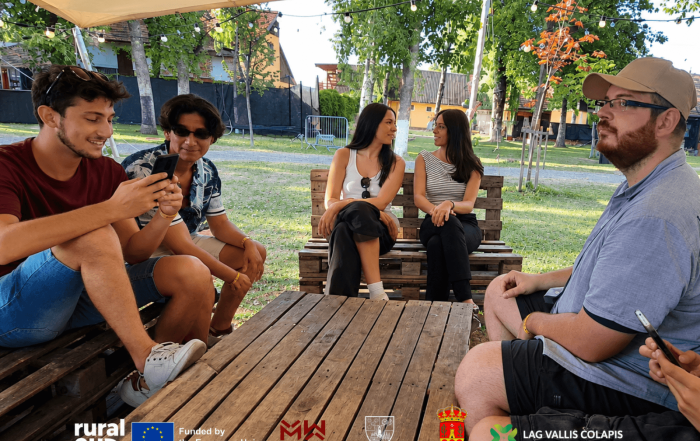
Italian, Spanish and Croatian young people in Harghita County
European Young People Meet in Harghita County
Youth engagement in community life, the exchange of good practices and cooperation between rural communities across Europe were at the heart of the RURAL Youth Festival.
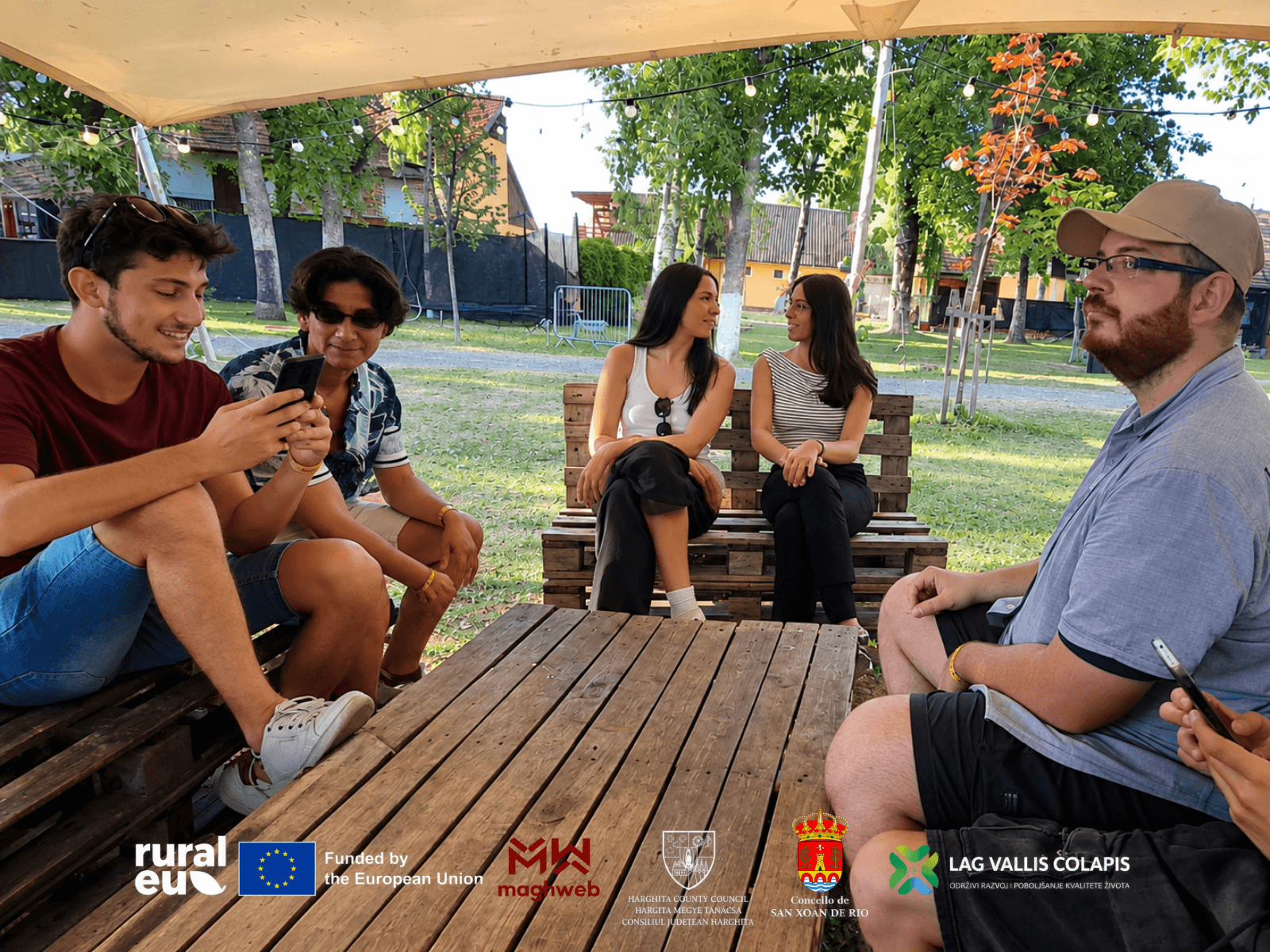
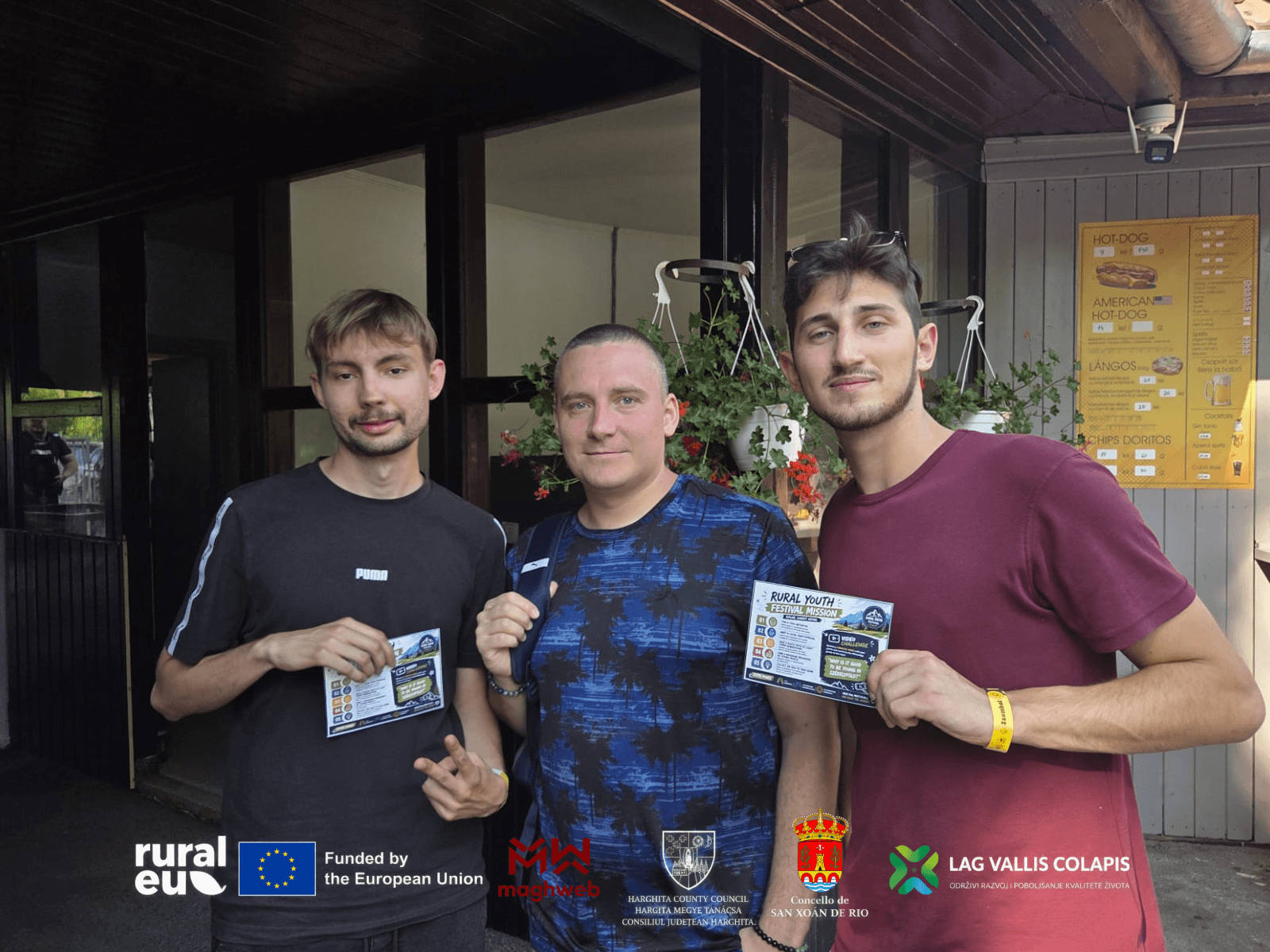
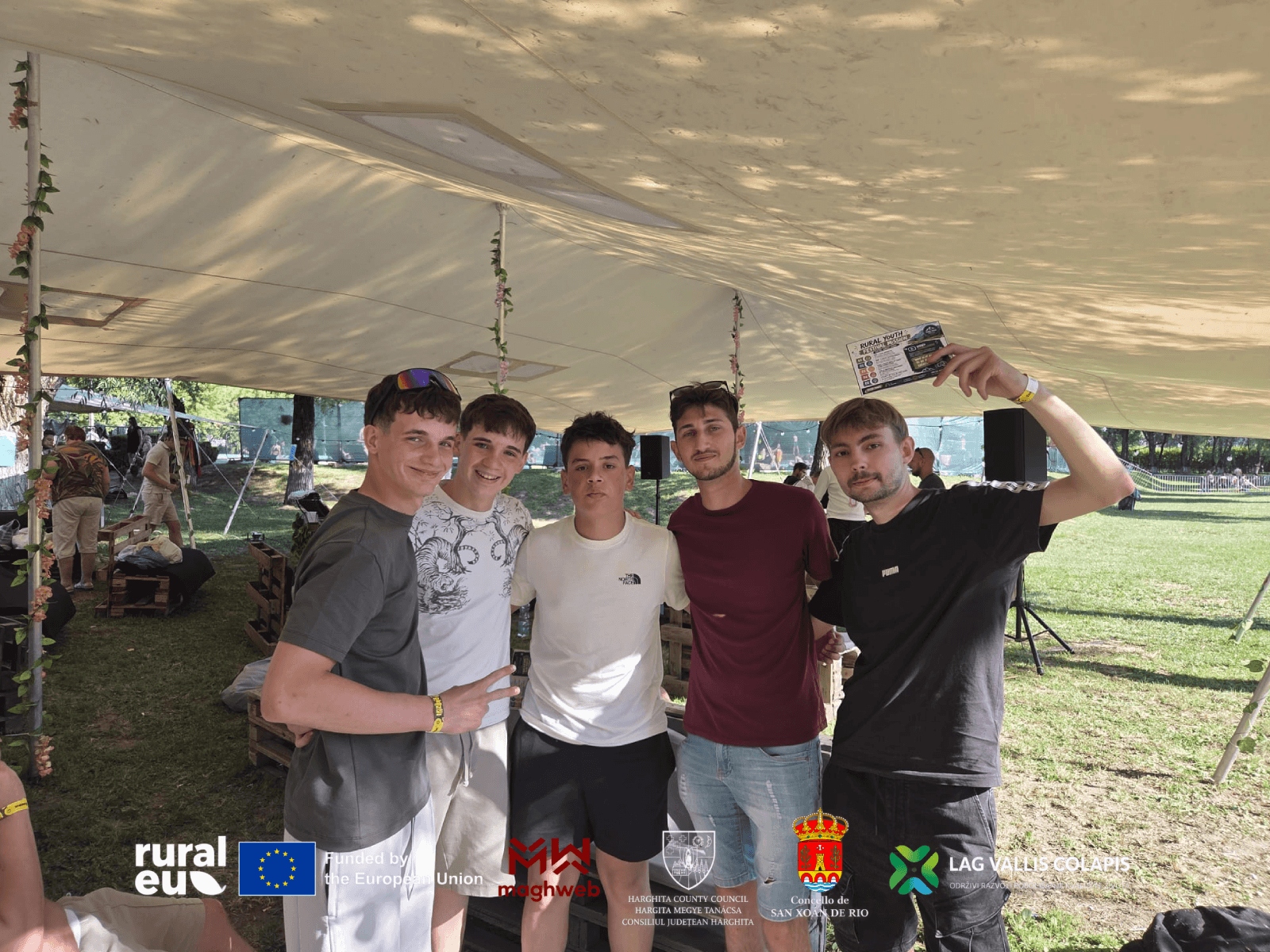
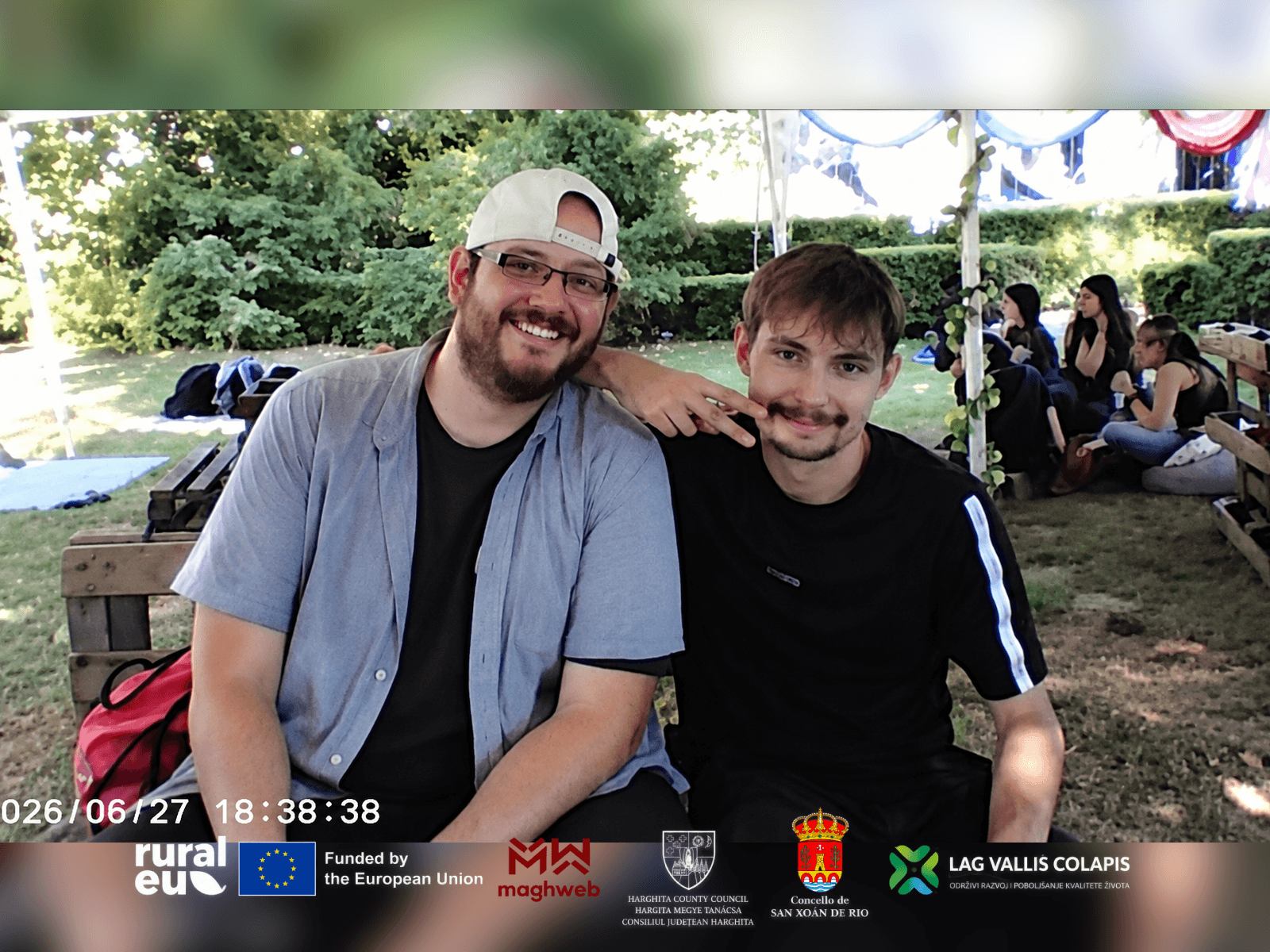
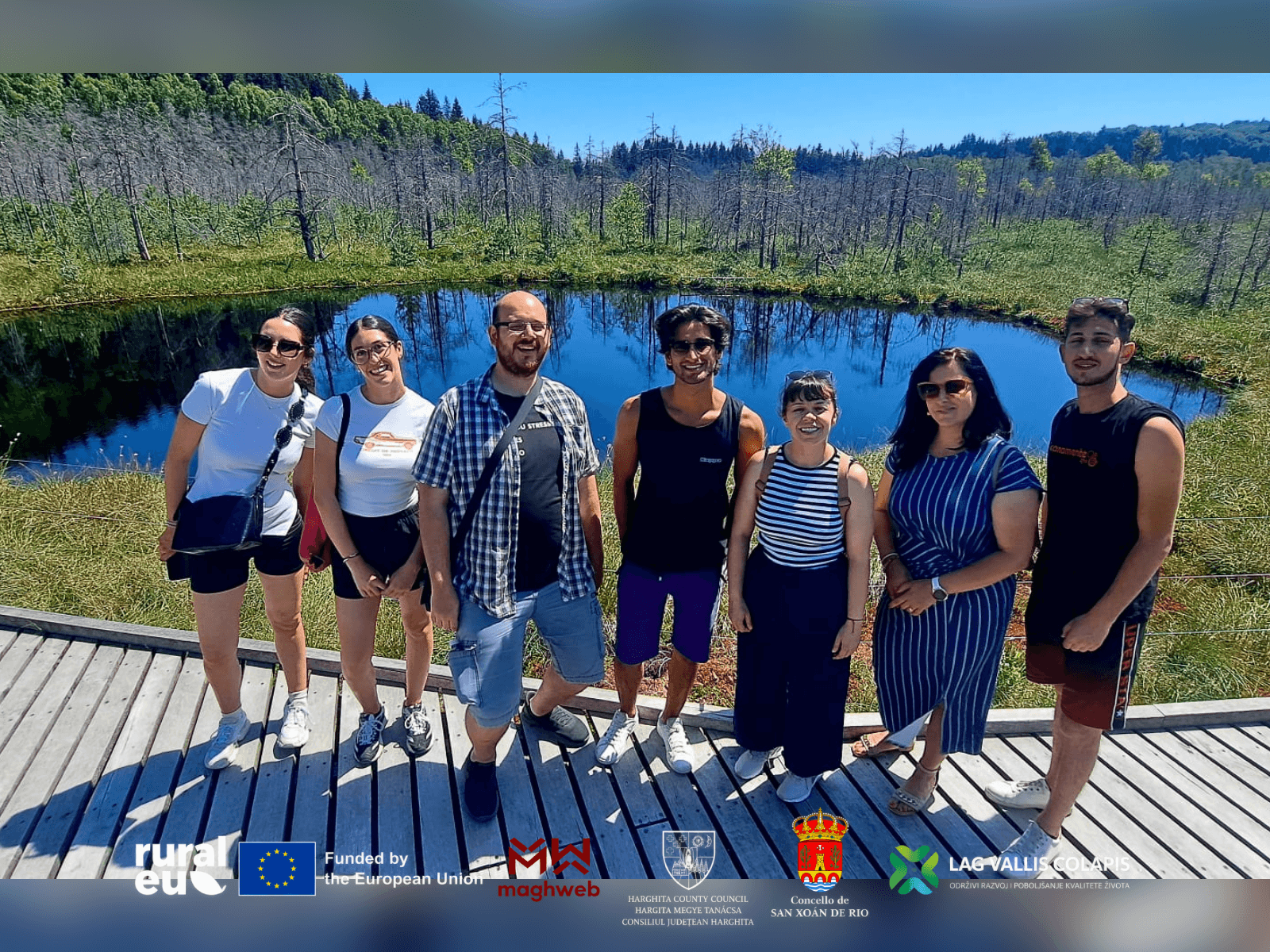
Between 26 and 29 June 2026, the Harghita County Council hosted the RURAL Youth Festival, an international event bringing together participants of the RURAL-EU project – Connecting Rural Europe: Networking and development in small towns, implemented under the European Commission’s CERV programme.
Over the course of the four-day programme, project partners, local government representatives, community stakeholders and young people from Italy, Spain, Croatia and Romania came together. The event aimed to strengthen international cooperation, encourage the active participation of young people in rural communities, and showcase and share local good practices.
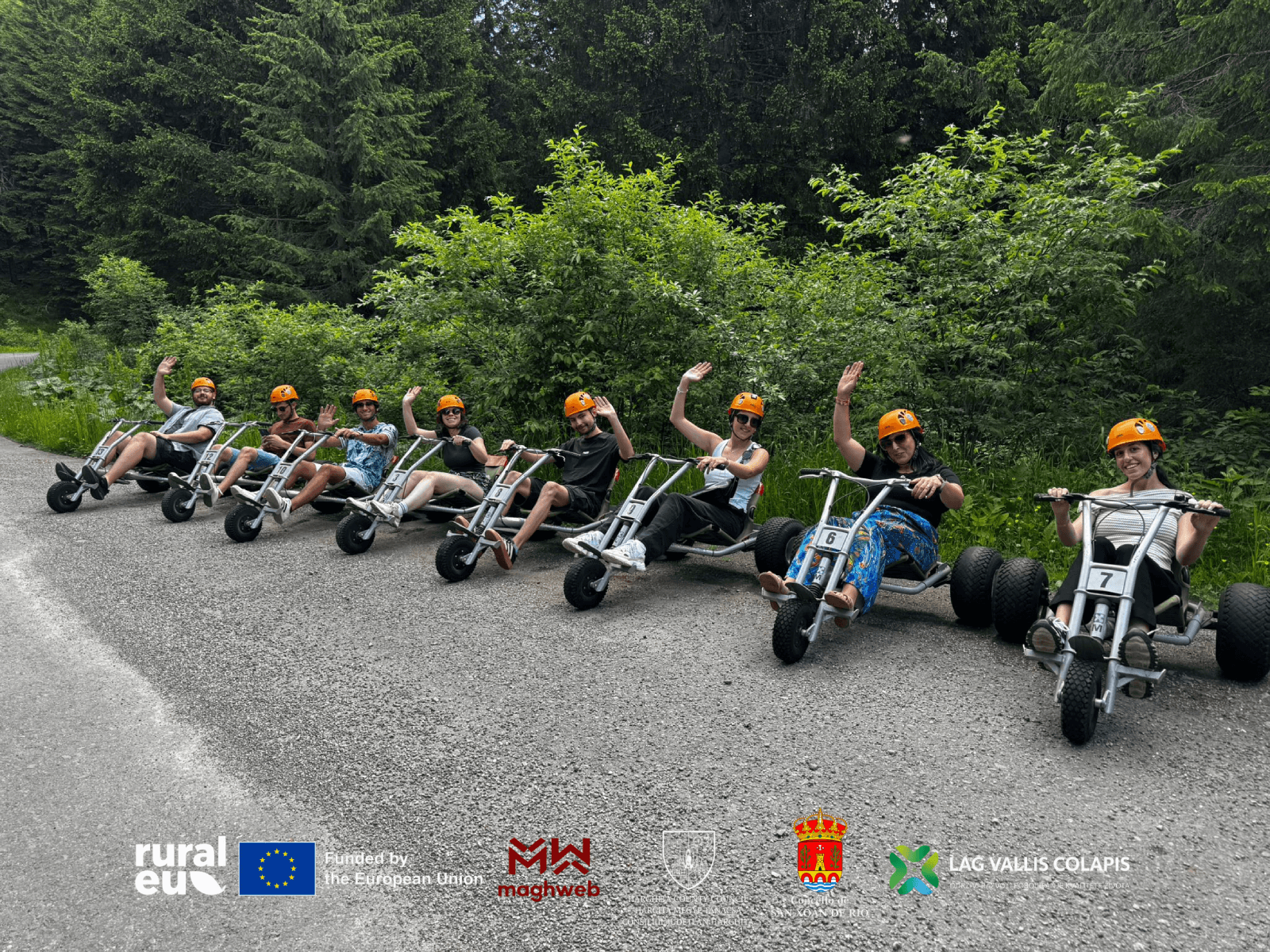
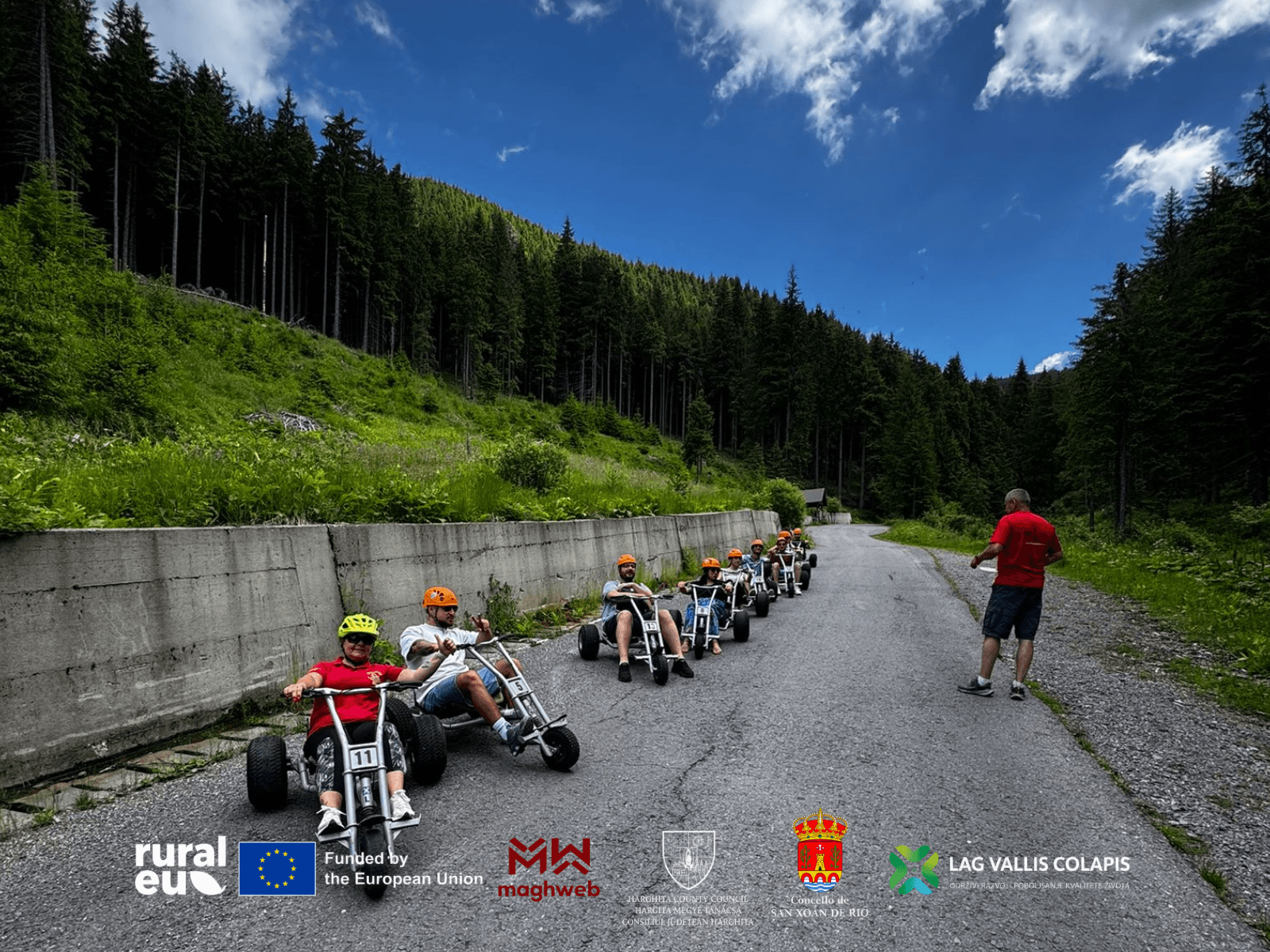
During the programme, participants had the opportunity to discover several localities and natural attractions across Harghita County. On 27 June, the programme continued in Ivó with a Mountain Cart experience, highlighting the potential of the region for active tourism. The participants then joined cultural activities organised for young people in Odorheiu Secuiesc.
One of the highlights of the meeting was the Rural Youth Festival Mission. Through a series of interactive activities, participants discovered local civic initiatives, traditional crafts, intergenerational cooperation projects and programmes initiated by young people. The activities also provided an opportunity to exchange experiences and foster dialogue among young participants from different countries.
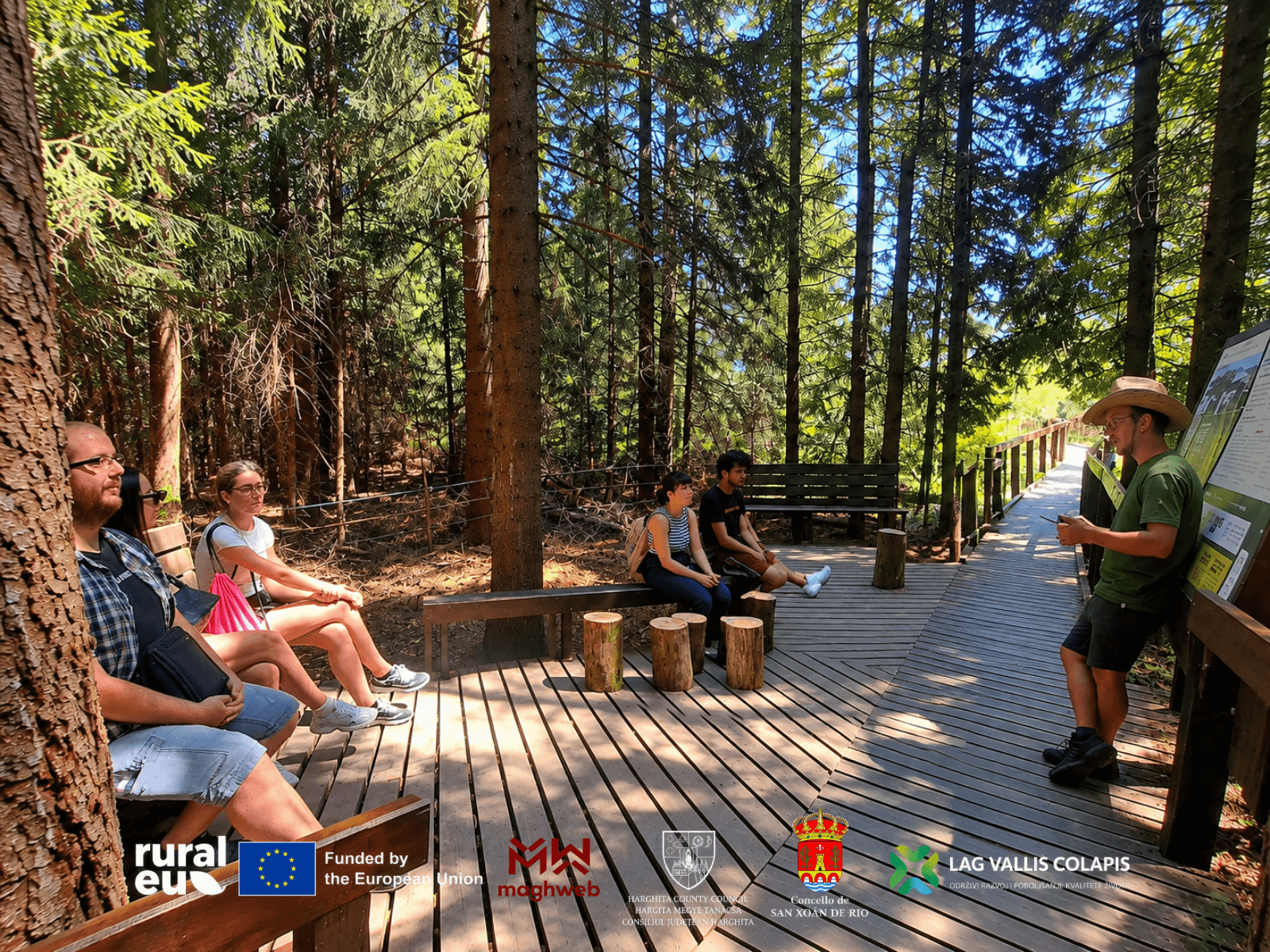
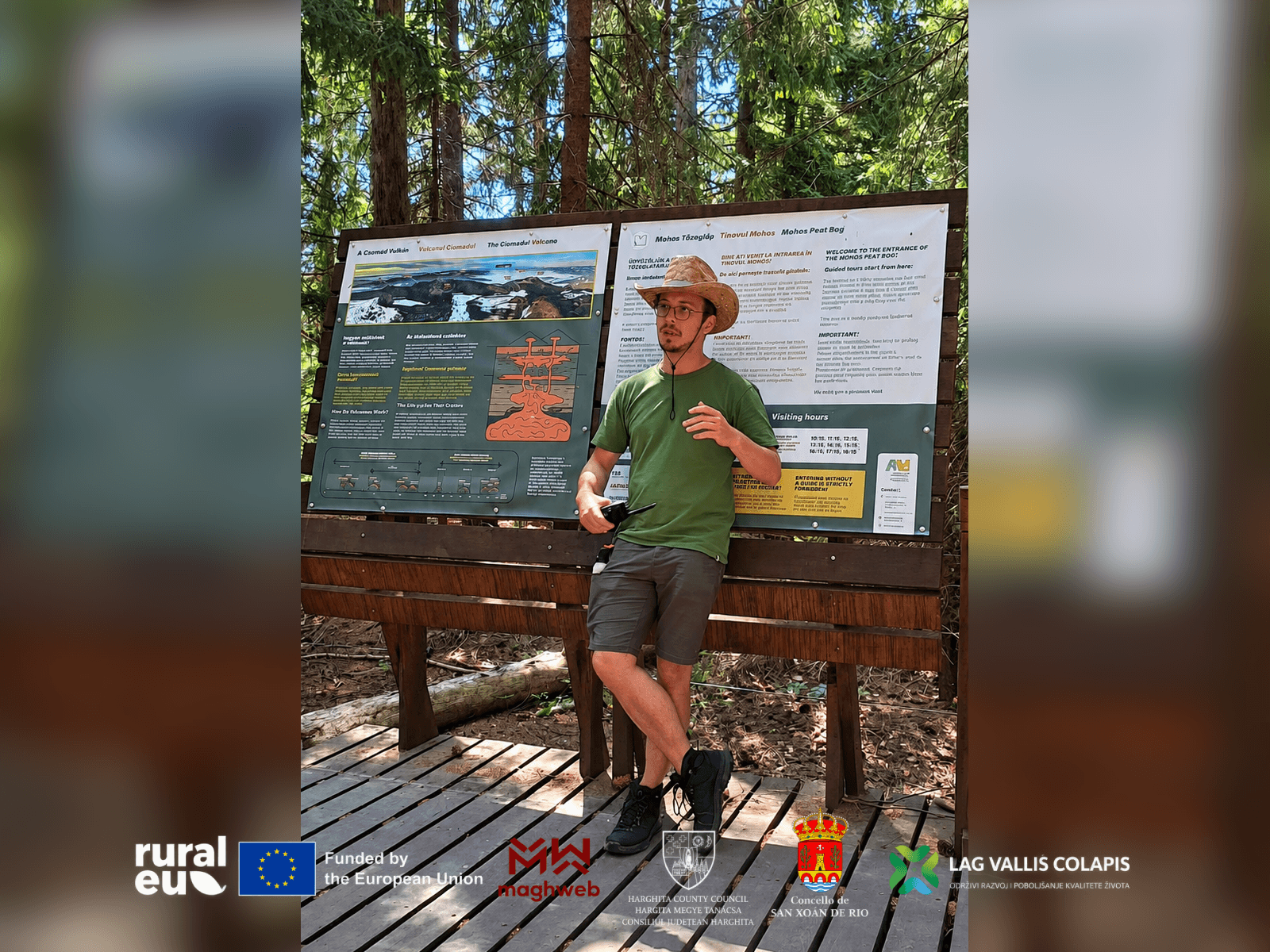
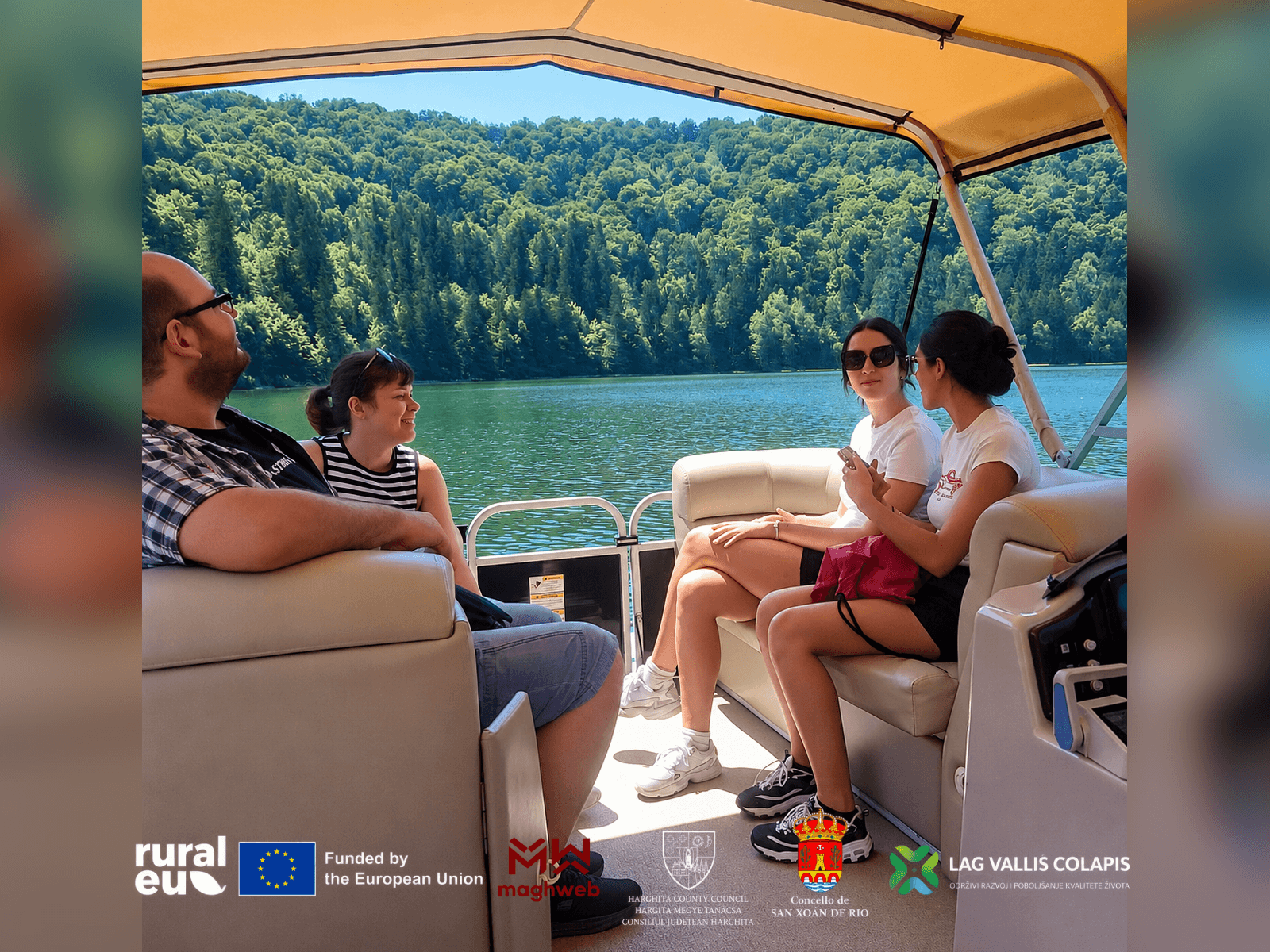
As part of the programme, the international guests also visited Lake Saint Anne and the Mohos Peat Bog. The study visit offered an insight into Harghita County’s natural heritage and into ways of combining the preservation of local natural and cultural values with sustainable community and tourism development.
Throughout the four-day meeting, participants were introduced to a number of good practices supporting youth engagement in community life, local civic initiatives, the valorisation of cultural and natural heritage, and the development of rural communities. The discussions and interactive activities highlighted the importance of supporting youth-led local initiatives, strengthening intergenerational dialogue and fostering cooperation between rural communities across Europe.
The RURAL Youth Festival was not only an international meeting, but also a platform for sharing experiences and ideas. The programme contributed to strengthening relationships between project partners and local stakeholders, while also creating opportunities for future cooperation.
For the Harghita County Council, the event provided an important opportunity to showcase the values of Harghita County’s rural communities, youth initiatives and the region’s natural and cultural heritage to European partners.
The meeting, organised within the framework of the RURAL-EU project, also reaffirmed the importance of European-level cooperation in supporting the development of rural areas and encouraging the active participation of young people in community life.
Rural Intercultural Festival: EDS Event Description Sheet

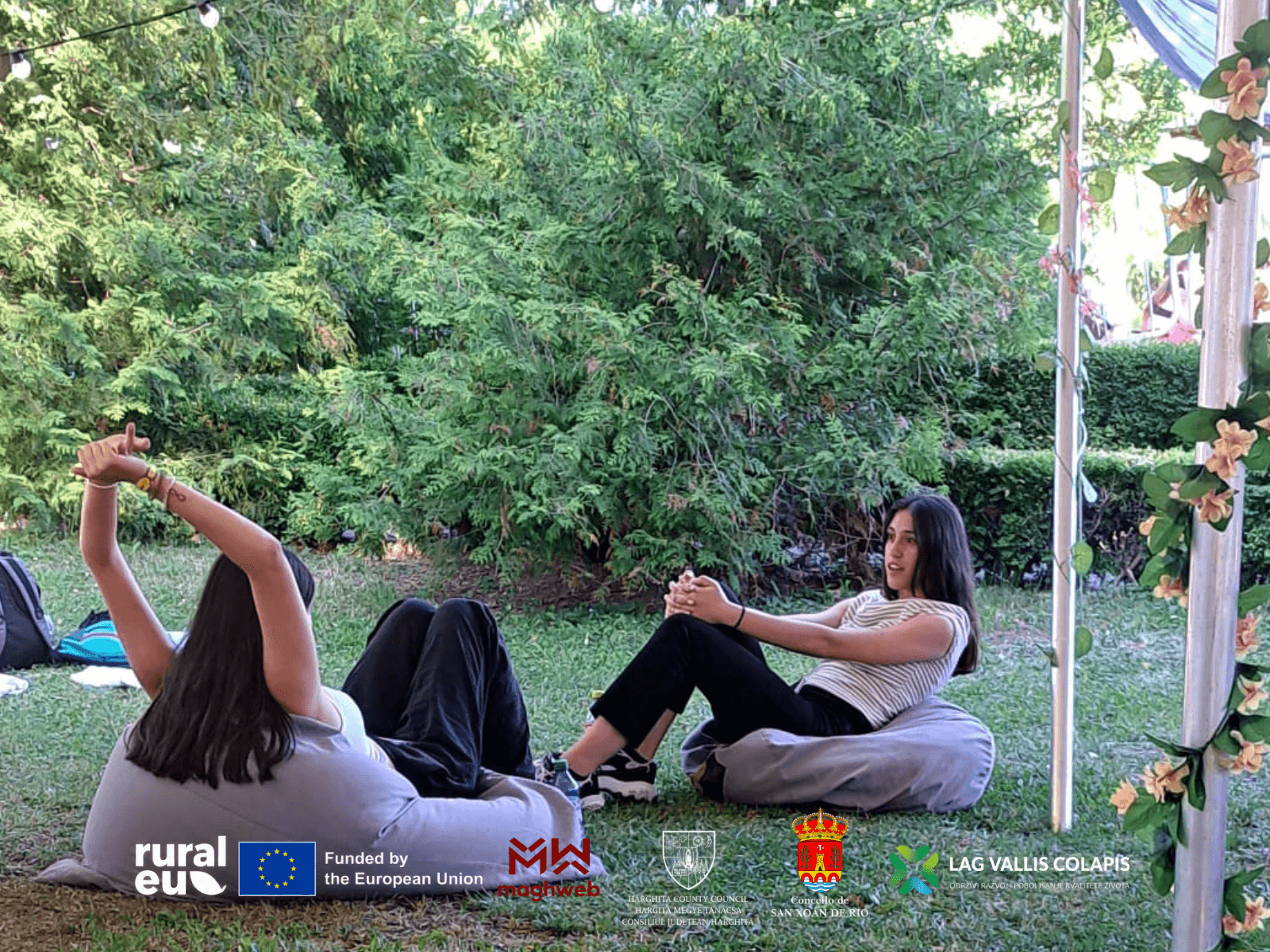
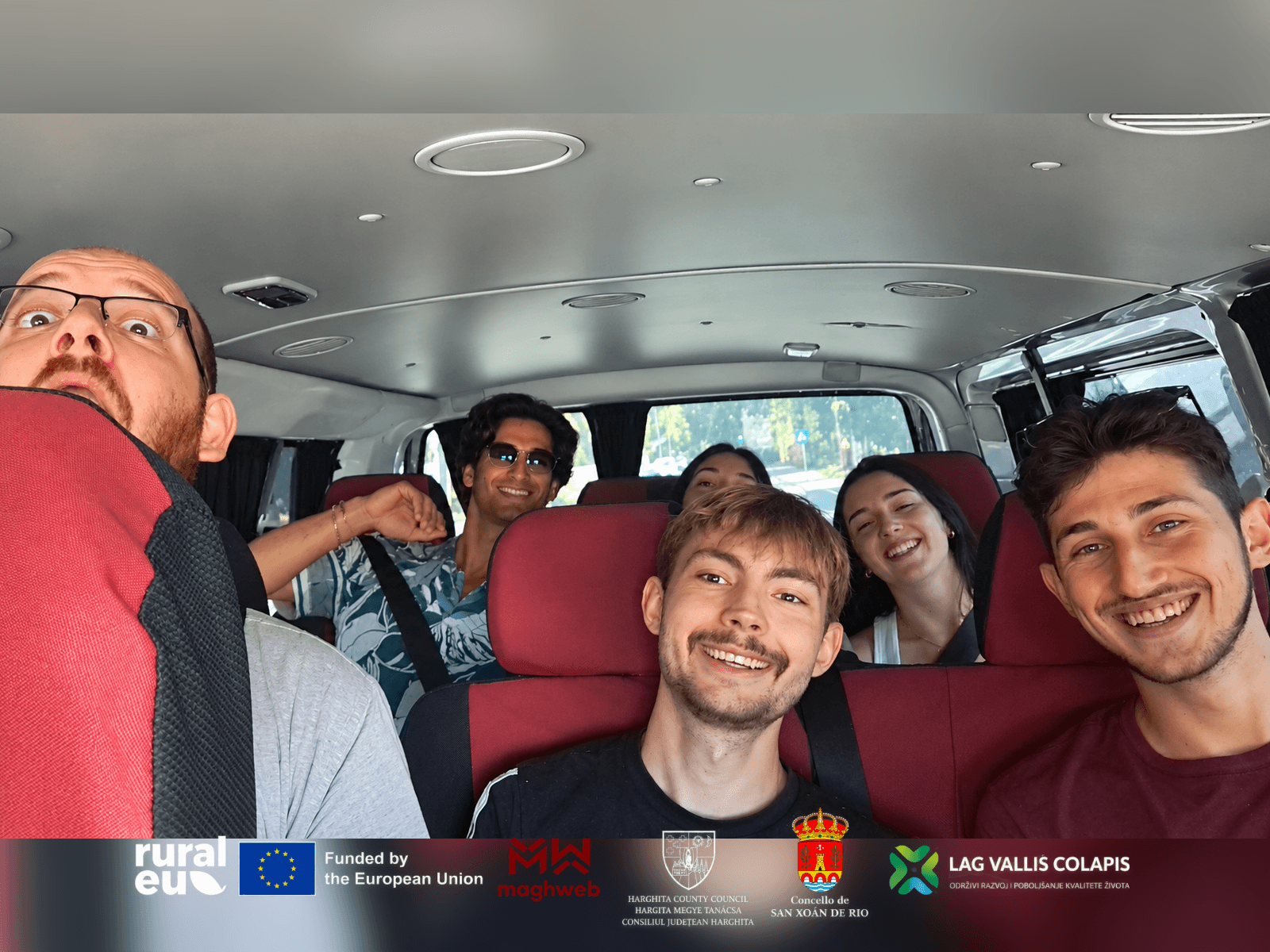
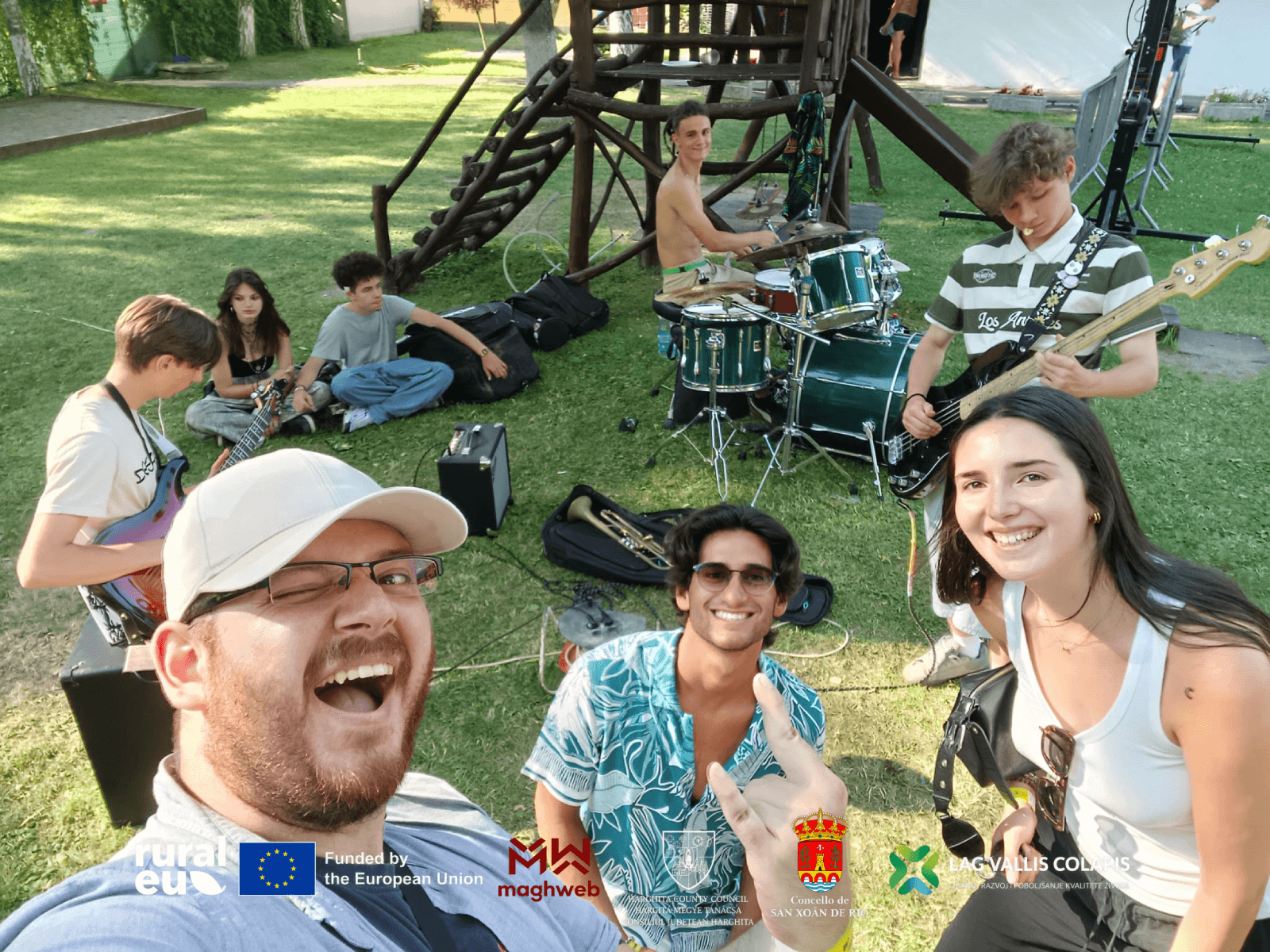
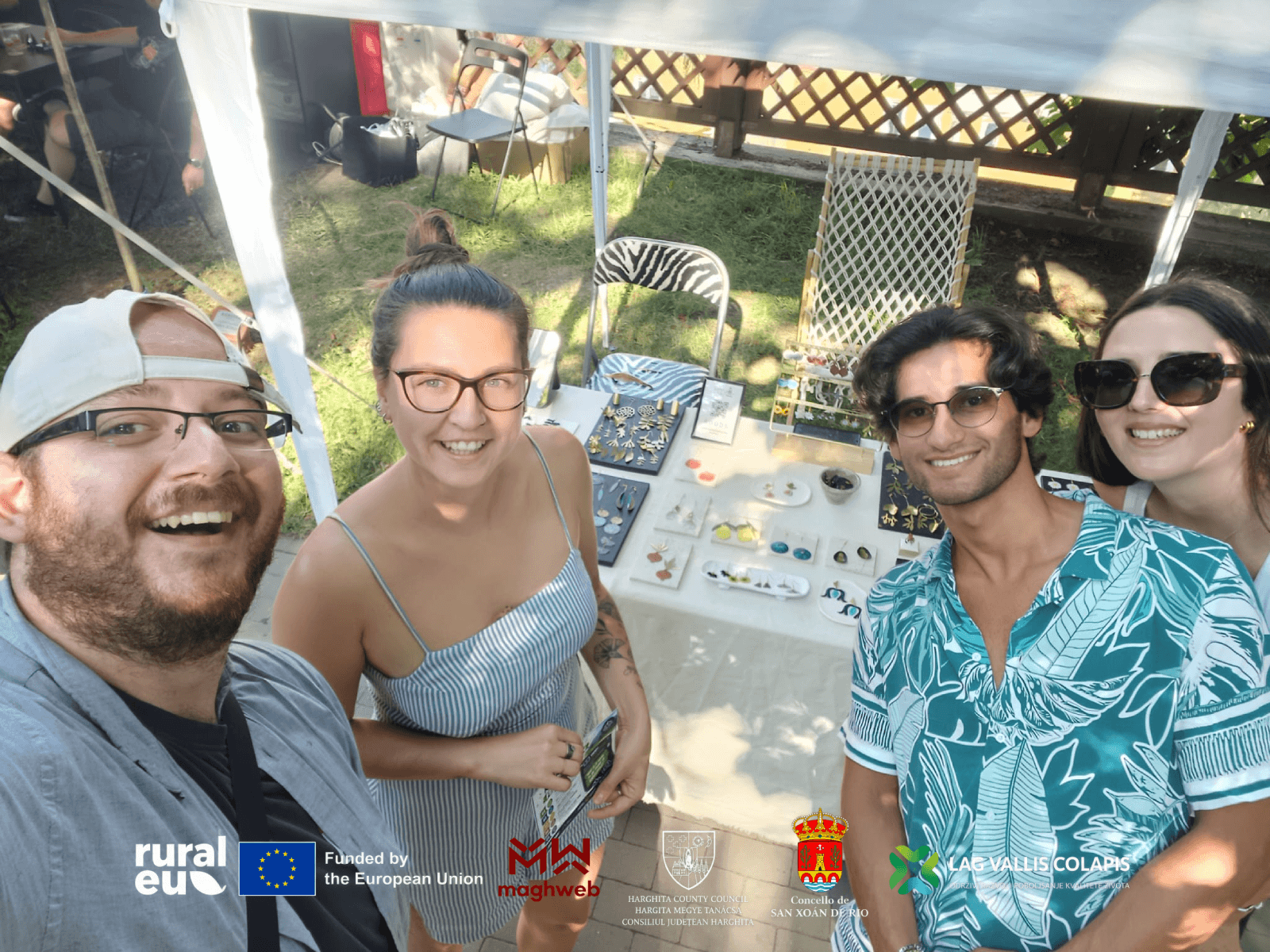

Funded by the European Union. Views and opinions expressed are however those of the author(s) only and do not necessarily reflect those of the European Union or the European Education and Culture Executive Agency (EACEA). Neither the European Union nor EACEA can be held responsible for them.
The Food Savers project has concluded in Harghita County
A mobile application, training sessions, and an awareness-raising campaign to reduce food waste
The results of two years of professional work were presented on Friday, 26 June, in Miercurea Ciuc at the closing event of the project “Preventing Food Waste in Harghita County” – Food Savers.
Led by the Harghita County Council and implemented in partnership with the Harghita Community Development Association (Visit Harghita) and the Harghita County Rural Development Association, the project aimed to increase awareness among urban residents and hospitality sector workers regarding food waste, thereby reducing the amount of food waste generated in cities. The project was supported by the European Commission’s Single Market Programme.
Erika Zonda, Director of the Programmes and Projects Directorate of the Harghita County Council, welcomed the participants and briefly presented the project. She noted that the 24-month initiative had a total budget of €298,208.91, 50% of which was financed by the European Commission. Project activities included the development of a mobile application, training for the hospitality sector, a professional study visit to South Tyrol, a public awareness campaign, and surveys.
Csaba Borboly, President of the Rural Development Association, was also present at the closing event. In his speech, he emphasized that preventing food waste is not only an environmental and economic issue, but also a social one. He pointed out that significant quantities of still-consumable food are discarded daily, while for many people in need, these could represent real support. He also spoke about the experiences gained within the project, the potential for adapting international best practices locally, and the objective of establishing a properly functioning food bank in Harghita County, which would enable, for example, food nearing its expiration date but still safe for consumption to reach those in need.
The practical results of the project were presented by Réka Balázs, the project manager. She introduced the training sessions organized for hospitality sector professionals and gastronomy students, through which 100 participants acquired practical knowledge on reducing food waste.
She also presented the Food Savers mobile application, which supports households in managing food more consciously by tracking home food supplies and expiration dates, offering recipe suggestions based on available ingredients, assisting with shopping planning, and contributing to the reduction of food waste. She also mentioned that, as part of the project, a professional study visit to South Tyrol was organized, where participants explored European best practices in sustainable hospitality and food waste prevention.
Following this, Hanna Imets, representing the Rural Development Association, presented the results of the surveys conducted within the project. The initial and final research examined food consumption and waste habits among urban residents of Miercurea Ciuc, Odorheiu Secuiesc, and Gheorgheni, involving a total of 1,200 consumers.
Zelinda Páll, a staff member of the Harghita Community Development Association (Visit Harghita), presented the results of the awareness-raising campaign built around the slogan “Still good to eat. Save it!”. As part of the project, 30 awareness videos, recipe videos, guides, and social media content were produced to highlight the importance of reducing food waste and promoting conscious consumer behavior.
The project results, download options for the Food Savers mobile application, as well as the videos and additional useful information produced during the campaign are all available on the project’s official Linktree page: https://linktr.ee/food_savers
At the end of the event, Erika Zonda stated that the project had been well received, and therefore the partners intend to continue the initiated activities and are already seeking new funding opportunities. She added that Harghita County’s title as European Region of Gastronomy 2027 will further draw attention to food waste prevention, the value of local products, and the role of sustainable gastronomy.
Miercurea Ciuc, 29 June 2026


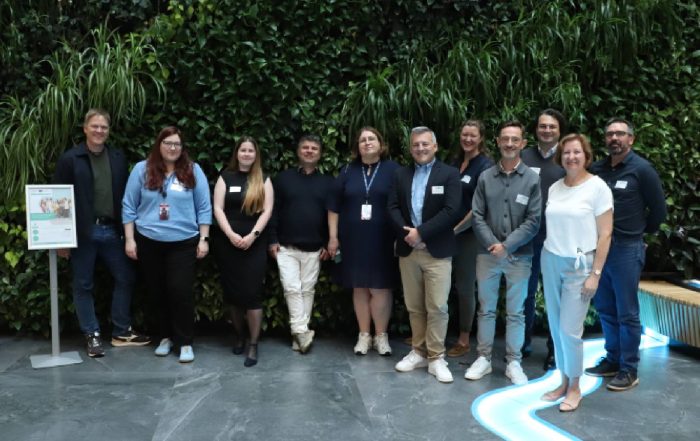
International exchange of experience for sustainable entrepreneurship education
Between 15–17 June 2026, Szczecin, Poland hosted the fifth international meeting of the Interreg Europe project “SEE – Sustainable Entrepreneurship Education.” The initiative, bringing together seven European countries, aims to promote the spread of a sustainable entrepreneurial mindset among young people and to support educational methods and policy tools that contribute to preparing the innovative, responsible, and environmentally conscious entrepreneurs of the future. Romania was represented in the project by the Harghita County Council as a partner, with the participation of local stakeholders including the Pro Cultura Siculi Development Association, Sapientia Hungarian University of Transylvania, and the City Hall of Miercurea Ciuc.
During the three-day professional programme, representatives from France, Belgium, Germany, Italy, Lithuania, Poland, and Romania shared their experiences and best practices in the field of sustainable entrepreneurship education. Participants took part in workshops and study visits, jointly exploring solutions that can help young people enter economic life with a creative, proactive, and socially responsible mindset.
The “World Café” workshop focused on shaping the sustainability mindset of future entrepreneurs. Today, sustainability is no longer merely a matter of corporate social responsibility, but has become a key factor in long-term competitiveness, innovation, and economic resilience. Businesses that integrate environmental, social, and economic considerations into their operations are better equipped to respond to changing market challenges and tend to enjoy greater trust from partners and customers.
Participants also became familiar with the innovative educational methods of the West Pomeranian Continuing Education Centre, the research results of the Neuroscience Laboratory of the University of Szczecin, and initiatives supporting the development of knowledge and skills related to renewable energy sources.
The meeting in Szczecin further strengthened cooperation among project partners and provided an opportunity to exchange experiences, best practices, and professional approaches related to sustainability and responsible entrepreneurship.

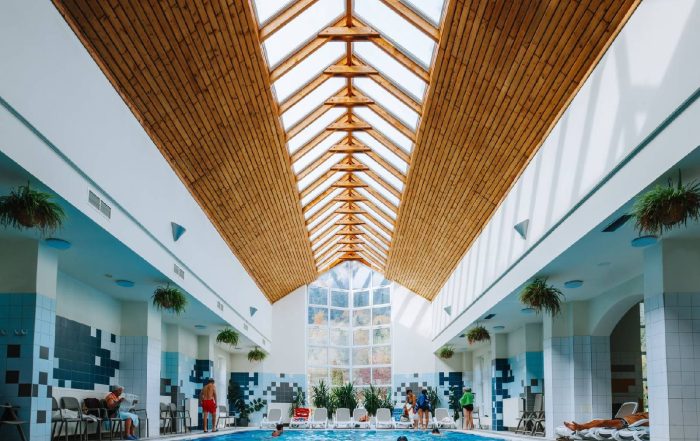
Plan your summer in Harghita County with Visit Harghita
Beaches, excursions, family-friendly locations, and gastronomic experiences all in one place
Many people associate summer holidays with distant destinations and long journeys, yet memorable experiences are often closer than we think.
In Harghita County, those looking to relax can choose from an exceptionally rich offer ranging from nature trips and family programmes to beaches, gastronomic experiences, festivals, and village events. The Visit Harghita online platform provides comprehensive support in exploring these options and planning summer activities.
Operated by the Harghita Community Development Association, the Visit Harghita platform aims to make the county’s tourism offer accessible in one place, thus facilitating orientation and travel planning. Visitors can browse accommodations, restaurants, attractions, beaches and spas, cultural programmes, hiking routes, and other leisure activities by category, making it easier for everyone to find experiences that match their interests.
The website and mobile application are further enriched by quality labels and thematic systems developed in recent years, helping users easily identify high-quality services. The “Family Friendly” label highlights services recommended for families with children, while the GastroPoint network guides those seeking local flavours and authentic gastronomic experiences.
These initiatives reflect the ongoing effort to continuously develop Harghita County’s tourism offer and provide high-quality, reliable experiences for visitors.
It is no coincidence that Harghita County will hold the title of European Region of Gastronomy in 2027, as developments based on local values, cooperation, and quality initiatives have been consciously shaping the region’s tourism profile for years.
“Harghita County’s greatest strength is its diversity. Thanks to Visit Harghita, everyone can now easily explore the available options, whether planning a short weekend trip or a longer family holiday. Our goal is to ensure that both visitors and locals can access information from a reliable source and enjoy as many experiences as possible,” – emphasized Barna-Botond Bíró, President of the Harghita County Council.
During the summer season, the county’s beaches and spas also attract significant interest, opening their gates across all regions of Harghita County as temperatures rise.
A complete list of beaches and spas, along with their contact details and services, is available in the “Swimming pool, beach” category on the Visit Harghita platform, where visitors can plan their leisure time based on up-to-date information:
https://visitharghita.com/hu/places?cat_type=piscina-trand_1529996713
The Kájoni János County Library welcomes readers with a summer schedule. Visitors can enjoy works by contemporary Hungarian and Romanian authors, world literature, as well as numerous new titles in the children’s section, offering pleasant relaxation during the summer months.
More details are available here:
https://www.facebook.com/kajonijanosmegyeikonyvtar/posts/pfbid0DR9zjnvWGo9nv2xYZrFHJv7pSzSf7uocrcJUn9zhniDuDtPpq68bwo1JRXTnyHXHl
We encourage everyone looking for meaningful relaxation during the summer months to discover the diverse tourism offer of Harghita County and explore the Visit Harghita online platform.
Further information is available at:
https://visitharghita.com/hu
Miercurea Ciuc, 22 June 2026


Best practices and innovative solutions for tailings dam safety
SAFETY4TMF project partners study modern methods for managing mining waste facilities in Košice
Representatives of the Harghita County Council also took part in a two-day professional study visit organized on 18–19 June in Košice and its surroundings within the framework of the SAFETY4TMF project. On this occasion, project partners explored best practices, monitoring systems, and innovative solutions related to the safe management of tailings facilities, while also exchanging experiences on risk prevention measures.
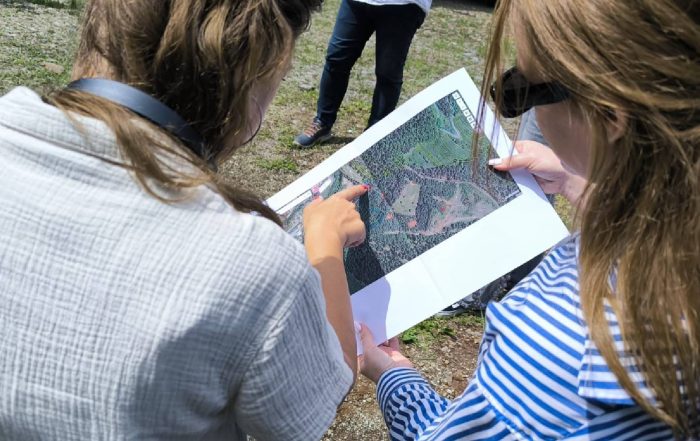
The professional programme began with presentations on the activities of the Via Carpatia EGTC and the objectives of the SAFETY4TMF project in the Košice region. This was followed by a field visit to a closed tailings facility located in the Slovinky–Bodnárec area. On-site, participants were introduced to the structural risks associated with dams built from mining waste, the environmental hazards posed by heavy metals present in the deposits, as well as the functioning of technical supervision and monitoring systems.
During the visit, methods used for geodetic measurements and for assessing groundwater and seepage flow were also presented, along with the water management strategy aimed at ensuring controlled passage of precipitation through the facility, thereby reducing pressure on the dam structures.
On the second day, project partners became familiar with the research activities of the Technical University of Košice, with a particular focus on geotechnologies, waste recycling, and mining tourism. The programme concluded with a presentation by the Košice Self-Governing Region on its regional strategies for safety and environmental protection, as well as practical applications of the KSK Geoportal.
As part of the SAFETY4TMF project, the Harghita County Council also places strong emphasis on informing the public. In this context, the publication “What to do? – In case of a tailings facility accident” was developed, providing practical guidance for emergency situations. The publication and further information about the project are available on the website of the Harghita County Council:
https://hargitamegye.ro/mit-tegyunk-katasztrofa-eseten/
Miercurea Ciuc, 22 June 2026

New European Union funding arrives in Harghita County
Harghita County Council and the Municipality of Miercurea Ciuc are jointly working on the digitalisation of tourism services in the region
Harghita County Council has signed the financing contract with the Centre Regional Development Agency (ADR Centru) for the project entitled “New digital solutions in public administration and local tourism management”.
The investment, with a total value of more than 2.5 million RON, aims to digitalise tourism services in Harghita County and to develop a modern and sustainable digital infrastructure in order to increase the region’s competitiveness.
The lead applicant of the project is Harghita County Council, with the Municipality of Miercurea Ciuc as partner. The total value of the investment is 2,530,018.47 RON, of which more than 2 million RON comes from European Union funds through the European Regional Development Fund, and more than 320,000 RON from the national budget. The beneficiaries’ own contribution is 2%.
Within the project, six integrated digital solutions will be developed and tested. These will facilitate access to tourism information, enable online booking and payment, support the promotion of natural and cultural heritage, encourage cooperation between tourism stakeholders, and contribute to the development of sustainable tourism.
Bíró Barna-Botond, President of the Harghita County Council, emphasized that the project is further proof of the successful attraction of European Union funds to Harghita County, which directly serve the development of local communities.
– We have once again managed to bring European Union funds to Harghita County. The 2.5 million RON investment, implemented together with the Municipality of Miercurea Ciuc, aims to develop digital solutions that make it easier for tourists to book accommodation, access online services, and reach various tourism services in a coordinated way. In the coming period, together with the Visit Harghita professional team and the joint working group of the city and county councils, we will begin the practical implementation of the project – said the President of the Harghita County Council.
The investment contributes to making Harghita County a modern and easily accessible tourism destination, while strengthening the competitiveness of the local economy and improving the visitor experience.
Miercurea Ciuc, June 16, 2026.
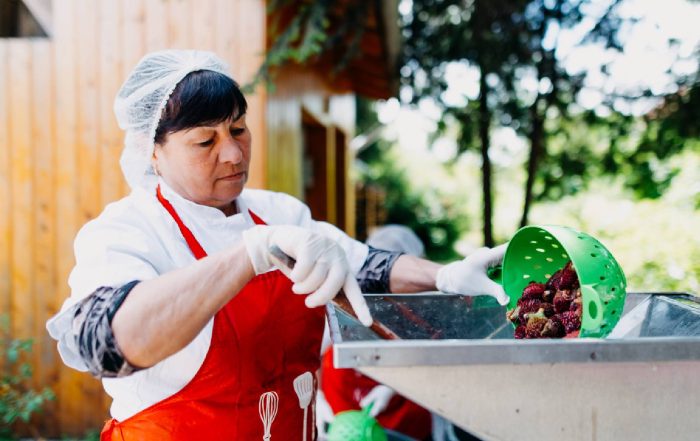
The first Open Farm weekend was a success
The first Open Farm weekend attracted great interest, during which 14 farms and food processing units in Harghita County opened their gates to visitors between May 29 and June 1, 2026.
The aim of the Open Farm program is to create a direct connection between producers and consumers, while showcasing the region’s agricultural and gastronomic heritage. The experiences of the first weekend indicate a growing interest in the origin of local food, sustainable farming, and authentic rural experiences. During the four-day event, nearly 900 guests participated in the programs, which provided insight into the daily lives of local producers, food production processes, and the values of rural life
The farms welcomed visitors with a wide range of activities. Guests were able to take part in farm tours, tastings, animal petting, professional presentations, and interactive workshops. The event offered an opportunity for families, tourists, and members of local communities to get to know more closely the people and processes behind the region’s high-quality food products.
The Open Farm program is an important element of Harghita County’s preparation for holding the title of European Region of Gastronomy 2027. The initiative contributes to making the region’s gastronomic, agricultural, and cultural values increasingly well known, while creating new opportunities for local businesses and tourism.
The Open Farm weekends will continue in the autumn: the next event will take place on September 25–26, 2026. In addition, certified local producers, farms, and food processors welcome visitors at any time upon prior appointment.
Further information about the Open Farm program and the participating farms is available on the Visit Harghita platforms.
Miercurea Ciuc, June 5, 2026.


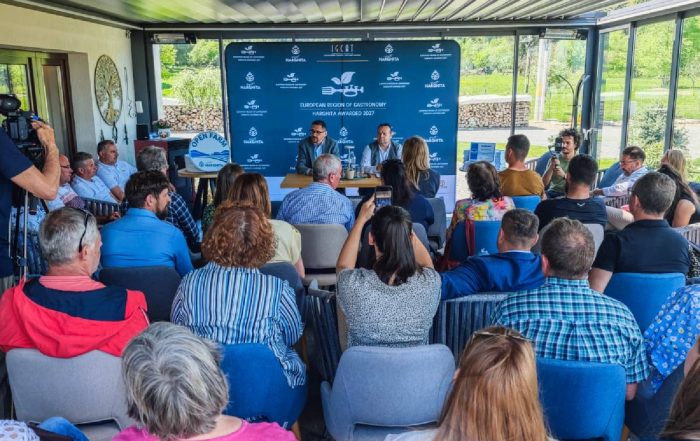
Farm gates open: the Open Farm program is launched
The Open Farm program, designed to showcase local producers, farms, and food processors, offers a new opportunity for those who wish to gain a closer understanding of the journey of local food, the daily life of rural communities, and the values of sustainable farming.
The Harghita Community Development Association officially presented the Open Farm program and its participants on May 26 at Timian Chalet in Ciaracio. The initiative aims to enable local farms and food-processing units to receive visitors in an organized and safe manner. Participating units open their gates to visitors upon prior registration, allowing them to observe daily farming activities and food production processes up close.
The program places strong emphasis on providing a high-quality visitor experience, as well as ensuring appropriate hygiene and safety conditions. Beyond knowledge-sharing, it also serves a community-building purpose by strengthening the connection between local producers and consumers, while contributing to the promotion of the region’s gastronomic and agri-tourism values.
Participants are also partners in the Open Farm weekends organized twice a year, during which farms welcome visitors with special programs, demonstrations, and tastings. The first Open Farm weekend will take place between May 29 and June 1, 2026. During the four-day event, farms across multiple locations will open their gates to visitors. The second weekend will be held on September 25–26, 2026.
The launch of Open Farm is closely linked to Harghita County’s preparation for holding the title of European Region of Gastronomy 2027, and represents an important milestone in the process of presenting the region’s gastronomic and cultural values in a coordinated and unified way, both nationally and internationally.
A total of 46 entrepreneurs applied to the program, of which 33 met the Open Farm criteria. Károly Szabó, Executive Director of the Harghita Community Development Association, which developed and coordinates the initiative, stated:
“By capitalizing on the awarded title, we continue to develop the county’s tourism offer and systematically integrate into the tourism circuit those places that can most authentically tell our story—the journey of food from producer to consumer.”
Further information, the Open Farm weekend program, and the list of participating farms are available on the Visit Harghita platforms.
European Region of Gastronomy
European Regions of Gastronomy (candidates and award holders), selected and managed by IGCAT, aim to contribute to improving the quality of life of their citizens by raising awareness of the importance of cultural and gastronomic uniqueness, while also:
• encouraging creativity and gastronomic innovation,
• providing intellectual nourishment to children and adults through culinary education,
• improving the standards of sustainable tourism,
• strengthening circular economies in both urban and rural environments,
• supporting the well-being and health of communities and the environment.
IGCAT provides the award with the support of international and European institutions. Regions also join the global platform of awarded and candidate Gastronomic Regions to foster long-term benefits, increase international visibility, and support knowledge exchange.
The European Region of Gastronomy title recognizes communities (cities, counties, regions, islands, or countries) that place strong emphasis on their gastronomic heritage within a framework of sustainable development and community cooperation. Preserving and protecting local foods, beverages, agricultural products, as well as cultural and natural assets, is a key priority.
The title is a recognition that widely promotes the achievements, programs, community cooperation, and responses to future challenges of the given region; however, it does not include a financial prize.
Members of the Harghita County consortium:
• Harghita County Council
• Harghita Community Development Association
• Miercurea Ciuc City Hall
• Odorheiu Secuiesc City Hall
• Gheorgheni City Hall
• Association of Székely Farmers’ Organizations
• Sapientia Hungarian University of Transylvania, Faculty of Miercurea Ciuc
• Páva KulinarIQum Association
• Boro Info
• Honline Media (Székely Konyha és Kert)
• Association of Ciuc Hospitality Providers
• Pro Economica Foundation


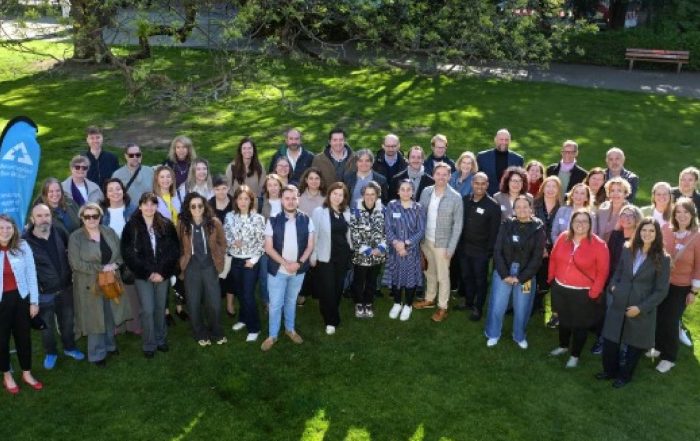
Strengthening the social economy across Europe through mutual cooperation and development
The international SECON project, aimed at supporting the integration of people living in poverty and vulnerable groups, as well as significantly strengthening the social economy, includes Harghita County Council among its partners.
Project partners met between April 21–24 in Mannheim, Germany, where they explored good practices and, during roundtable discussions, formulated recommendations to raise awareness and strengthen the legal framework and the role of the social economy.
Harghita County was represented at the meeting by Melinda Szebeni, assistant manager of the working group from the County Council, along with representatives of the involved partner organizations: Cristian Gligor from the Pro Siculi Intercommunity Development Association in Miercurea Ciuc, and Árpád Csiszér from the Right Association, also based in Miercurea Ciuc.
As a good practice example, participants visited an institution that provides training for individuals who have dropped out of school. This training model is highly effective, with a success rate of 95–97%.
During the roundtable discussions, partners concluded that greater visibility is needed for the social economy and examples of best practices, along with the creation of a unified legal framework at EU level and the inclusion of vulnerable groups. Furthermore, the role of the social economy should be significantly strengthened so that it becomes a key, defining part of the economy, broadly contributing to the functioning and well-being of society. Achieving these goals requires raising awareness and developing the necessary competencies.
Partners also agreed on the need to introduce a European certification, establish an EU-level database, harmonize legislation to facilitate partnerships between Member States, and allocate more substantial public funding to the social economy. As summarized, these would represent the priorities for stabilizing the social economy over the next twenty years.
The SECON – Social Economy: Supporting Regional Policies for Social Economy Enterprises project aims to promote knowledge exchange through regional and interregional learning activities, as well as through the development of studies and reports. It supports participating regions in improving relevant policy instruments, fostering an environment conducive to the growth of the social economy, with particular focus on rural areas. The project is funded by the Interreg Europe programme.
Miercurea Ciuc, May 6, 2026.
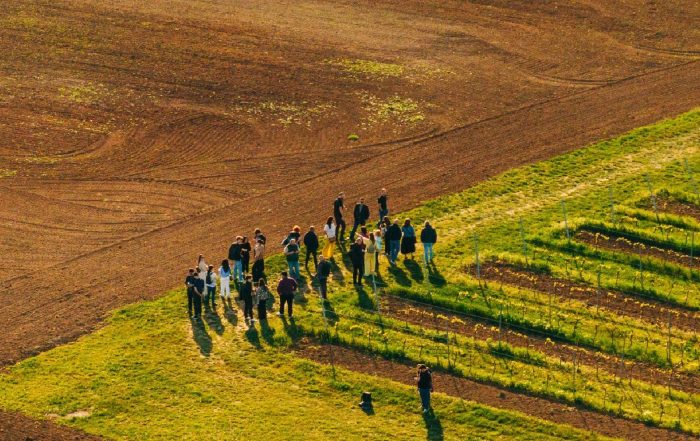
International partnership for the development of vocational education
In Harghita County, special attention is given to ErasmusPro mobility programmes for beneficiaries. This is also the main objective of the AVETE project, which promotes international cooperation between vocational education and training providers, leaders of various industries, and decision-makers, as well as policy dialogue.
Harghita County Council is a partner in the project. Thanks to the mobility programme, this year local students will undertake professional internships in Slovakia, while Harghita County will host participants from Serbia.
Project partners met in Dunajská Streda, Slovakia, between April 26–29, during which they evaluated project activities, best practices identified during implementation, and the tasks to be carried out. Harghita County Council was represented by project manager Tamás Tankó and local mentor Melinda Szebeni.
During the study visit, educational institutions and innovative teaching methods were presented, along with company visits and vocational training sites, where examples of private sector involvement in vocational education were examined, and the importance of integrating practical skills into training programmes was emphasized.
In addition, participants discussed new funding opportunities available under EU programmes and transnational cooperation possibilities.
Members of the delegation confirmed that the study visit was highly useful for expanding knowledge related to the implementation of ErasmusPro mobility programmes, identifying good practices, strengthening international relations, increasing institutional capacity in education and vocational training, and facilitating the transfer of know-how between educational institutions and the economic sector. All of this contributes to improving the quality of education and training programmes in Harghita County.
The AVETE – Alliance for Vocational Excellence project, funded by Erasmus+, aims to develop mobility and training opportunities in tourism-related vocational education. A key objective of the project is to ensure the long-term sustainability of the ErasmusPro programme and to promote professional mobility, as well as to strengthen the capacity of vocational education.
Miercurea Ciuc, May 6, 2026.

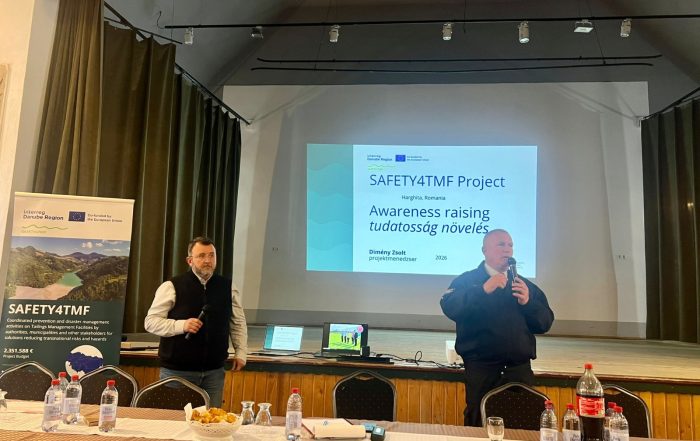
Professional meeting and awareness campaign within the SAFETY4TMF project
What to do in the event of a disaster?
The annual evaluation and professional day of the Harghita County Volunteer Firefighters Association was held in Vlăhița, which also included an information campaign and project presentation within the framework of the European Union–funded SAFETY4TMF project.
The strategic partner of Harghita County Council in the project is the Harghita County Volunteer Firefighters Association, which plays an active role in implementing project activities and engaging local communities. The meeting provided an opportunity to evaluate the volunteer firefighters’ activities over the past year, as well as to present ongoing initiatives. The event brought together volunteer firefighters, representatives of the professional emergency response services, and local government representatives, who jointly discussed key issues related to effective intervention and the management of various emergency situations.
As part of the programme, one of the key publications from the fifth phase of the SAFETY4TMF project’s public awareness campaign was presented: the guide entitled “What to do? – In the event of a tailings dam accident.” The publication provides practical information on how to respond in case of an incident involving a mining tailings facility, offering guidance for quick and appropriate action.

The participating volunteer firefighters received first-hand professional information, which is particularly important as they are often the first responders at disaster sites and play a crucial role in informing the public and carrying out initial interventions.
The event also provided an opportunity to strengthen professional cooperation, review relevant legislation and regulations, and lay the groundwork for future joint actions.
Participants emphasized the importance of prevention, preparedness, and effective inter-institutional cooperation in managing risks affecting the region.
The publication is available here: https://hargitamegye.ro/mit-tegyunk-katasztrofa-eseten/?utm_source=chatgpt.com
Miercurea Ciuc, April 27, 2026.
Harghita County also contributed to international results in the SAFETY4TMF project
Practical knowledge for volunteer firefighters, useful information for the public
Representatives of the Harghita County Council also participated in the closing conference of the international SAFETY4TMF project in Budapest, where the partnership reviewed the professional results achieved during the past period, the experience gained from the pilot exercises, as well as solutions supporting the prevention of risks associated with tailings management facilities and emergency response.
At the closing event held on September 28–29, the project partners reviewed the professional results achieved, the training and awareness-raising activities, as well as the lessons learned from the pilot exercises. Particular attention was also given to how the methods and results developed within the project can continue to be used after the project has ended.
One of the project’s important achievements was the review and refinement of the database of tailings management facilities (TMFs). The significance of this is demonstrated by the fact that approximately 5 million people live within the potential 10-kilometre risk zone of such facilities in the Danube River Basin, while more than 1.5 billion cubic metres of tailings are stored in the region.
In Romania, the review resulted in the number of TMFs recorded in the database being revised from 152 to 98, after waste rock dumps and other facilities that did not meet the definition of a TMF were removed from the records.
In Romania, the project’s enhanced geospatial risk assessment method was also tested at the Valea Șesei tailings management facility. By taking topographical and runoff conditions into account, this method can identify more accurately the buildings, infrastructure and river sections that could be affected in the event of a potential accident.
The results achieved by the project in Harghita County also include the training of local volunteer firefighters and the expansion of the equipment available for emergency interventions. A total of 64 volunteer firefighters from Dealu, Praid, Corund and Tibod participated in theoretical and practical training sessions, where they learned, among other things, how to manage flood and flash flood situations and how to use a mobile flood protection system.
Through the project, a mobile flood protection system, protective equipment, mobile containers, a generator and lighting equipment were also procured. These were tested under real-life conditions during the international exercise in Vlăhița.
At the same time, the informational publication What Should We Do?, designed to help prepare the public, was also completed and made available in both printed and online formats. The publication provides practical guidance on how to act in the event of a potential emergency, and its online version is available here:
https://hargitamegye.ro/mit-tegyunk-katasztrofa-eseten/
With the completion of the SAFETY4TMF project, the practical application of the work carried out does not come to an end. The training sessions, the equipment procured, the experience gained during the international exercise and the procedures developed can continue to support the preparedness of local emergency response units and the more coordinated management of emergency situations.
Miercurea Ciuc, October 1, 2026.
Feedback on the Amendments to the Master Plan for the Hășmaș Mountains Area Sought at the CIBioGo Project Workshop
On September 30, 2026, the Harghita County Council organised a workshop in Gheorgheni within the framework of the CIBioGo – Citizen Participation in Biodiversity Governance project. The main objective of the meeting was to assess how satisfied local and regional stakeholders are with the amendments to the master plan for the Hășmaș Mountains area and to what extent they consider them appropriate for local needs.
Emőke Kopacz, CIBioGo project manager, presented the work carried out within the project and the new aspects incorporated into the master plan following international exchanges of experience. The amendments focus, among other things, on coexistence with large wild animals, water retention and nature-based solutions, as well as the adaptation of forests to climate change. The document also places greater emphasis on the conservation of biodiversity and on strengthening the relationship between natural and cultural values and local communities.
Following the presentation, participants were able to evaluate the amendments to the master plan for the Hășmaș Mountains area using a questionnaire. The feedback collection focused on satisfaction with the changes: how useful and justified the new approaches are considered to be, and to what extent they address the needs of the area. The questionnaire also provided an opportunity to indicate priority topics and the willingness to become involved in implementation.
The assessment provided by local stakeholders offers important feedback on the policy change achieved within the CIBioGo project. Analysing the responses will help establish how the amendments have been received and identify areas where further consultation or cooperation is needed.
The CIBioGo project is implemented with the support of the Interreg Europe programme and helps improve policies aimed at biodiversity conservation by involving local and regional stakeholders.
Practical and theoretical training, equipment procurement and an international civil protection exercise among the project’s local results
The results achieved so far by the SAFETY4TMF project were reviewed on September 16 at an online professional roundtable organised by the Ministry of Environment, Water and Forests. Representatives of the Harghita County Council also presented the project’s activities and results in Harghita County, including practical and theoretical training sessions, equipment procurement, publications and events aimed at informing the public, as well as the experience gained during the international civil protection exercise organised in Vlăhița in 2025.
The SAFETY4TMF project involves 15 partners from nine countries. Romania is represented by the Ministry of Environment, Water and Forests, Babeș–Bolyai University and the Harghita County Council. The Harghita County Volunteer Firefighters Association is the strategic partner of the Harghita County Council. The project aims to reduce the risks associated with mining waste facilities and to strengthen the preparedness and cooperation of authorities, local governments and other organisations concerned.
The training activities in Harghita County were organised within the SAFETY4TMF project between July and September 2025 in Dealu, Praid, Corund and Tibod, with the participation of a total of 64 volunteer firefighters. The training aimed to provide practical preparation for flood and flash flood situations and to improve communication and coordination between emergency response teams.
Participants also learned how to use a mobile flood protection system. They practised the entire intervention process, from surveying the terrain to installing, sealing and stabilising the mobile flood barrier, pumping water and dismantling the system. Both slowly developing flood situations and flash floods were simulated in the field. The practical training was supplemented by digital professional training materials.
The results and experience gained during the international civil protection exercise organised in Vlăhița between September 3 and 5, 2025, were also presented. The exercise was coordinated by the Harghita County Council, with the Harghita County Volunteer Firefighters Association acting as its strategic partner.
More than 100 participants took part in the exercise, with emergency response teams arriving from Romania, Hungary and Bulgaria. The exercise continued for 24 hours, including overnight, and involved a total of 14 rescue scenarios. According to the simulated emergency situation, heavy rainfall and beaver activity had blocked the drainage system of an inactive tailings facility located near Harghita-Băi, resulting in an overflow, a partial dam failure and a mudflow moving towards the valley.
The selection of Vlăhița was justified by the area’s mining history and the proximity of a kaolin tailings facility located near Harghita-Băi. According to the data presented, eight mining waste facilities are registered in Harghita County, making preparedness for similar emergency situations important for the county as well.
As part of the project, intervention and logistical equipment worth more than EUR 15,000 was procured. This included a mobile flood protection system, protective equipment, mobile containers, a generator and lighting equipment.
The roundtable also presented the project’s research and professional results. Discussions covered the assessment of risks associated with mining waste facilities, the mapping of vulnerable areas and the modelling of cross-border risks. The methods and mapping solutions developed within the project were presented, together with the experience gained from training sessions and exercises organised in different countries. The professional discussions also addressed how the project’s results could be used in disaster preparedness and in the development of emergency response procedures.
The experience gained during the exercise in Vlăhița can continue to be used in disaster preparedness in Harghita County after the project has ended. The conclusions presented also provide important guidance for the development of emergency response procedures, professional training and public information.
Miercurea Ciuc, September 16, 2026.
59 hospitality venues received the Orange Butterfly certification
The certificates of the Myrmidone (orange butterfly) certification were awarded in a ceremonial event today, on September 16, at the Park Hotel in Miercurea Ciuc. The certification system is a flagship initiative of the Harghita County – European Region of Gastronomy 2027 program, recognizing conscious hospitality built on local ingredients, producers, and the gastronomic heritage of Harghita County.
A total of 67 hospitality venues applied for the 2026 certification, of which 59 met the conditions set out in the criteria system and the Code of Conduct. The certified venues include restaurants, bistros, and local gastronomic points, among them four establishments from Covasna County. Among the certified venues, eight received one butterfly, eleven received two butterflies, and forty received three butterflies.
Myrmidone is not simply about offering local dishes, but represents a comprehensive hospitality approach that connects stakeholders in the region from local producers and ingredients to the gastronomic experience of the guest. An important element of the certification is the use of ingredients and beverages sourced, where possible, from within a 100-kilometer radius, cooperation with local producers and making them visible, as well as preserving and transmitting the traditional gastronomic values of Harghita County. The system also pays attention to reducing food waste, the Signature Dish list of characteristic local dishes, and multilingual communication.
The certification is named after the strictly protected orange butterfly, Colias myrmidone. This rare species occurs in Europe only in Poland, Slovakia, and Romania, and within Romania it can be found in just two areas, including the Kürücök Valley near Lăzarea and Gheorgheni. The presence of the orange butterfly is a strong indicator of the region’s exceptional natural values, which are closely linked to the quality of local ingredients and the gastronomic heritage of Harghita County.
The Myrmidone certification is closely linked to the Signature Dish list. Within this initiative, which collects the characteristic dishes of Harghita County, a questionnaire survey was used to identify those dishes and desserts that the community considers most representative of the region. The results were evaluated together with twelve local chefs, leading to a selection of fifty highlighted dishes in the Signature Dish collection.
In the future, certified venues will benefit from using the Myrmidone visual identity and the Harghita County – European Region of Gastronomy 2027 logo, as well as enhanced visibility on Visit Harghita platforms, in the program’s communication, and on the region’s gastronomic map. The certification also provides opportunities for participation in various promotional and professional initiatives, including study visits, publications, newsletters, and professional events.
With the certificate award, a community has begun to take shape whose members work together to ensure that the local flavors, producers, gastronomic traditions, and hospitality venues of Harghita County are more prominently represented in the region’s tourism offer. The aim of the Myrmidone certification is that local values should not only appear on the plate, but come together as a comprehensive gastronomic experience that connects the local community, the natural environment, and hospitality.
European Region of Gastronomy
European Regions of Gastronomy (candidates and awardees), selected and managed by IGCAT, aim to contribute to improving the quality of life of their citizens by raising awareness of the importance of cultural and gastronomic uniqueness, while:
- encouraging creativity and gastronomic innovation,
- intellectually nourishing children and adults through culinary education,
- improving the quality of sustainable tourism,
- strengthening circular economies in both urban and rural environments,
- supporting the well-being and health of communities and the environment.
IGCAT provides the award with the support of international and European institutions. Regions also join the global platform of awarded and candidate Gastronomic Regions to promote long-term benefits, increase international visibility, and support knowledge sharing.
The European Region of Gastronomy title recognizes communities (cities, counties, regions, islands, or countries) that, in the spirit of sustainable development and through community cooperation, place strong emphasis on their gastronomic heritage. Preserving and protecting local food, drinks, agricultural products, as well as cultural and natural values, is of particular importance for them.
The title is a recognition that widely promotes the achievements, programs, community cooperation, and responses to future challenges of the given region, but it does not include a monetary prize.
Members of the Harghita County consortium:
- Harghita County Council
- Harghita Community Development Association
- Miercurea Ciuc City Hall
- Odorheiu Secuiesc City Hall
- Gheorgheni City Hall
- Association of Szekler Farmers’ Organizations
- Sapientia Hungarian University of Transylvania, Faculty of Miercurea Ciuc
- Páva KulinarIQum Association
- Boro Info
- Honline Media (Székely Konyha és Kert)
- Association of Ciuc Hospitality Providers
- Pro Economica Foundation
Several settlements and institutions in Harghita County are also joining the initiative
With pedestrian and cycling programs, car-free days, tours and environmental actions, the settlements of Harghita County are preparing for the European Mobility Week. The initiative, taking place between 16–22 September, is also joined by the Harghita County Council, which encourages residents of the county to leave their cars at home whenever possible and choose alternative modes of transport.
Prior to the mobility week, the Harghita County Council invited local governments, educational institutions and its subordinate institutions in the county to join the programme with their own initiatives. Several regions responded to the call, so in the coming days there will be pedestrian and cycling programmes, car-free days, tours, environmental actions and school initiatives across Harghita County.
This year’s central theme of the initiative is “Mobility for All”, which focuses on sustainable and accessible transport options for everyone, as well as intergenerational fairness. More information about the European Mobility Week is available at the following link: https://mobilityweek.eu/home/
Among the programmes are “Walking Bus” initiatives, which support children’s safe walk to school. In Miercurea Ciuc, the Walking Bus, operating for the fifth year, accompanies nearly 200 children daily on eleven routes, while environmentally friendly transport is also encouraged through free public bus transport available to everyone on weekends. In Ciceu, a cycling parade and a drawing competition will be organised, in Frumoasa the municipal staff will travel by bicycle to an off-site meeting. In Odorheiu Secuiesc, alongside the “Travel with us and win!” initiative, there will be a historical bus exhibition and a Car-Free Day. In Remetea, a 24-hour swimming marathon and a local car-free day will also take place, while ADI Nagyhagymás joins the mobility week with cycling tours and nature protection programmes. In addition, several schools and institutions are joining the initiative with their own programmes.
On the closing day of the European Mobility Week, on 22 September, the European Car-Free Day, the staff of the Harghita County Council will also join the action. The institution asks its employees to leave their cars at home if possible and come to work on foot, by bicycle, by public transport or by other alternative means.
The Harghita County Council also encourages residents of the county to join the European Mobility Week. The full list of programmes announced so far can be found below. The list remains open, so additional local governments, institutions and communities can still join with their own initiatives.
The Harghita County Council asks residents to document their participation in the initiative with photos and send them to the email address [email protected]. The submitted photos will be used by the institution in its communication related to the mobility week.
Programmes announced so far in Harghita County:
- Mayor’s Office of Sânmartin
- Walking Bus programme
- Ciceu – János Kájoni General School
- Green way to school – 22 September
- Cycling parade – 25 Sept., Friday, start at 16:00
- Drawing competition – 24 Sept.
- Municipality of Frumoasa
- Staff cycling – off-site meeting – 22 September
- Miercurea Ciuc City Hall
- Walking Bus programme – on eleven routes, ensuring organised and safe school commuting for nearly 200 children on school days
- Free weekend bus transport – travel is free for everyone on Csíki Trans routes on Saturdays and Sundays
- Odorheiu Secuiesc Mayor’s Office – 22 September
- “Travel with us and win!” – initiative promoting sustainable and alternative transport modes;
- Historical bus exhibition in the museum courtyard, where a raffle will be held among participants of the “Travel with us and win!” campaign, with a premium bicycle as prize;
- Continuation of the “Walking Bus” programme, promoting pedestrian transport and active mobility. Within the programme, escorts help students to safely reach their educational institutions from their residential areas during the school year;
- Car-Free Day – 22 September. Staff of the Mayor’s Office are encouraged to choose alternative and environmentally friendly means of transport instead of cars.
- Remetea Mayor’s Office
- Walking Bus programme
- 5th Steel Power Fitness Day – 19 September
- “Dive in!” – 24-hour swimming marathon, relay – 19 September
- Local Car-Free Day and drawing competition – 22 September
- Odorheiu Secuiesc, Gábor Bethlen General School
- Walk into the green – let’s step for nature programme – 21 September
- ADI Nagyhagymás
- Sunrise at Mária-kő – hiking – 6 September
- Egyes-kő, Öcsém Mountains and Jávárdi Waterfall – hiking – 13 September
- Cycling tour – 20 September
- Environmental awareness and nature protection: joining the “Let’s Do It, Romania!” programme – 18 September
- School of Nature programme – between 21–25 September
- Homoródszentmárton Mayor’s Office
- Group walk for schoolchildren programme
- Mayor’s Office of Căpâlnița
- “Let’s Do It Romania” waste collection programme – 18 September
- Harghita County Cultural Centre and Via Mariae Association Romania
- “Let us pilgrimage together from Mary to Mary” programme: ceremonial inauguration of the Via Mariae in Romania – 19 September
- Miercurea Ciuc County Emergency Hospital
- Pharmaceutical waste collection – 17 September
- Lueta, Mózes Székely General School
- Walking Bus programme
- Two wheels – one community / cycling parade – 19 September
- Galócás Mayor’s Office
- Discover Galócás on two wheels, for a greener future! – inauguration of a cycling route – 19 September
Miercurea Ciuc, 15 September 2026.
Stakeholders discussed the development of the social economy and European best practices in Miercurea Ciuc
Miercurea Ciuc, 28 August 2026 – A stakeholder meeting was held in Miercurea Ciuc to discuss the state of the social economy in Harghita County, its development in recent years, and the possibilities of applying European experiences at the local level, within the framework of the SECON – Social Economy – Regional Policies for Supporting Social Economy Enterprises project. The event was hosted by the Kettőspont Milk Bar and Café.
The SECON project is implemented through the cooperation of ten organizations from nine European countries and aims to improve policy instruments supporting the social economy through interregional exchange of experience, research, and best practices. Among its objectives are increasing the visibility of social enterprises, improving access to funding and public procurement opportunities, providing professional support to enterprises, and strengthening their role in the green and digital transition.
The venue of the meeting, the Kettőspont Milk Bar and Café, is itself a good example of a social enterprise. The café, opened in February 2026, was established by a couple from Miercurea Ciuc with the aim of creating a family-friendly place in the city where parents with small children can feel comfortable. The business was established with €61,000 in European Union funding and currently provides jobs for four people, including disadvantaged individuals. Kettőspont is not only a hospitality venue but also plays an important role as a community space: it regularly hosts events, lectures, and various community programs, primarily targeting families with young children and mothers. In recent months, the venue has hosted baby–mother programs, craft workshops, and community events, and plans include thematic evenings, discussions, and film screenings. The project funding covers operating costs until October 2026, after which the enterprise must ensure sustainable operation from its own revenues. As part of its operating model, 90 percent of the profit is reinvested in social purposes.
At the meeting, Árpád Csiszer, representative of the Right Association, presented best practices learned at the SECON international meeting in Mannheim. Among these, he highlighted the German initiative Das andere SchulZimmer (“The Other Classroom”) as particularly interesting and potentially applicable for the Right Association. The Mannheim program supports young people who have dropped out of school or are in difficult life situations by providing personalized, out-of-school learning opportunities. The initiative started in 2018 with limited funding and volunteer work, and later built its operations through private donations, corporate and community support, public funding, and foundation resources. Over seven school years, it contributed to 113 successful school qualifications, achieving a 97 percent success rate.
The German example is also close to the vision of the Right Association because it creates opportunities for supporting, developing, and socially integrating disadvantaged target groups through a concrete activity. This approach may also be relevant for the sewing workshop planned by the Right Association.
Another key topic of the meeting was the significant increase in the number of social enterprises in Harghita County. According to data presented by Árpád Cilip and Cristian Gligor, representatives of the Pro Siculi Development Association, there were 16 social enterprises in 2022, 27 in 2023, 27 in 2024, and already 95 in 2025. This growth was largely supported by funding calls launched in recent years to support social enterprises, which encouraged the establishment of new businesses and the development of the sector. Under the most recent call in Harghita County, 11 grant contracts were signed, supporting seven urban and four rural enterprises.
Currently, 106 social enterprises hold valid status in the county. According to data presented in 2026, out of the 95 enterprises, 92 submitted their annual report for 2025. In total, 118 social enterprises had status, of which 11 had their status withdrawn at their own request or due to failure to submit the annual report, while one enterprise’s status expired and was not renewed. This resulted in the current total of 106 social enterprises with valid status.
According to participants, the social economy in Harghita County has undergone significant development in recent years, supported in part by funding calls for social enterprises. However, alongside the growth in the number of enterprises, it is also important to promote a broader understanding of the concept and real social role of the social economy. It is essential that the term “social” does not merely refer to a business model, but that it is understood that these enterprises, in addition to their economic activities, serve social or community purposes and contribute to the employment of disadvantaged people, the strengthening of local communities, and the addressing of social challenges. With the increasing number of enterprises, cooperation and exchange of experience are becoming increasingly important: there is a need for a community and regular meeting opportunities where social enterprises can share their experiences, challenges, and effective solutions.
One of the key conclusions of the stakeholder meeting in Miercurea Ciuc is that, alongside the growth in the number of social enterprises, there is a need for a forum that facilitates cooperation and the sharing of experiences, which is increasingly important. It is essential for social enterprises to maintain connections with each other, share good practices, and jointly seek solutions to emerging challenges. This aligns well with the objectives of SECON, which supports interregional exchange of experience and the sharing of best practices.
Harghita County has officially become Romania’s first green destination
A new important milestone on the path of sustainable tourism: Harghita County has been awarded the internationally recognized Green Destinations Silver certification, becoming the first region in Romania to be included on the Green Destinations global map.
This prestigious recognition is the result of a comprehensive sustainability audit, during which Green Destinations experts assessed, among other aspects, destination management, the protection of cultural heritage, nature and landscape conservation, the well-being of local communities, and the sustainability efforts of tourism businesses.
During the audit, Harghita County achieved an average score of 7.5 across the six evaluated areas, meeting the requirements for the Silver Award level. The highest score, 9.2, was achieved in the field of culture and traditions. The expert evaluation highlighted the strong commitment to preserving both tangible and intangible cultural heritage, programs supporting local crafts and traditions, as well as the protection and promotion of gastronomic heritage. The audit also specifically praised the role of traditional culture in tourism. The Myrmidone (orange butterfly) program, which aims to identify and recognize traditional foods and the establishments that prepare them, was also cited as an important example in the evaluation. According to the experts, preserving and bringing local heritage to life is one of Harghita County’s greatest strengths.
An outstanding result was also achieved in the area of social well-being, where the county scored 8.6. The evaluation positively highlighted, among others, respect for residents’ rights, measures aimed at accessibility, and recent steps taken to involve local communities and monitor their satisfaction.
Harghita County also achieved a score of 7.1 in destination management, nature and landscape, as well as in business and communication. Experts emphasized the strategic role of the Harghita Community Development Association (Visit Harghita), the commitment to sustainable tourism, and initiatives supporting the sustainability of tourism enterprises.
Regarding the protection of nature and landscape, the audit specifically mentions the site-specific management of Lake Saint Anne and the Mohos peat bog, the information and behavioral guidelines provided to visitors, as well as initiatives involving schools and local organizations that contribute to forest conservation and tree planting.
Overall, Green Destinations experts gave a positive assessment of Harghita County’s sustainability efforts, highlighting that the destination has consistently worked in recent years to make sustainability a central element of tourism development. According to the audit, the commitment to sustainable tourism is evident among both destination staff and tourism stakeholders.
International recognition and new opportunities
The Green Destinations Award is an internationally recognized benchmark in the field of sustainable destination management. The program evaluates the sustainability performance of destinations based on the Green Destinations Standard and connects recognized regions into an international network where participants can share their experiences and best practices. By obtaining the Silver Award, Harghita County will be featured on Green Destinations’ international platforms, including the organization’s destination collection. The recognition also creates opportunities for Harghita County’s sustainability achievements to become more visible to an international tourism audience.
“The fact that Harghita County is the first in Romania to receive this international certification shows that we are at the forefront of sustainable tourism. In recent years, we have placed strong emphasis on green, slow tourism. It is particularly noteworthy that the expert group awarded the highest score, 9.2 out of 10, in the field of culture and traditions. This demonstrates that in Harghita County, the past is not a burden but can also be a competitive advantage. We are very pleased with this new international recognition and proud of the tourism stakeholders, our academic and business partners with whom we have worked together. I congratulate the Visit Harghita team, as our joint efforts have helped draw attention to Harghita County as the first in the country. I trust that this will also provide momentum for preparations for the 2027 gastronomic year,”
said Barna-Botond Bíró, President of the Harghita County Council.
The certification represents a particularly important milestone ahead of a year when Harghita County will hold the title of European Region of Gastronomy. The Green Destinations recognition also confirms and reinforces the work carried out in recent years by Visit Harghita and the county’s tourism stakeholders. The international recognition of sustainability and local gastronomic heritage are mutually reinforcing values that together create a strong foundation for further increasing Harghita County’s visibility, attractiveness, and competitiveness on both the domestic and international tourism markets.
For Harghita County, the green destination status is not just a title, but a long-term commitment: to develop tourism while preserving everything that makes the region unique.
Harghita County Council joins the European Code of Practice on AI Transparency
Harghita County Council has joined the European initiative entitled the Code of Practice on Transparency of AI-Generated Content, thereby reaffirming its commitment to the responsible and transparent use of artificial intelligence.
The Code of Practice, developed by the European Commission’s AI Office, provides a common set of guidelines for the transparent labelling of content generated or manipulated by artificial intelligence, facilitating the consistent implementation of the AI Act across the European Union.
By signing the Code, Harghita County Council publicly commits not only to complying with EU legislation but also to following the good practices developed by the European Commission in the institutional use of artificial intelligence, thereby strengthening the credibility of digital content, the transparency of institutional communication, and public trust.
The transparency obligations set out in the European Union’s Artificial Intelligence Act (AI Act) become applicable from 2 August 2026. From that date, in specified cases, images, audio, video, and certain text content of public interest generated or manipulated by artificial intelligence must be clearly labelled. By joining the Code of Practice, Harghita County Council becomes one of the European institutions and organisations that voluntarily commit to following common European practices promoting the transparent, responsible, and ethical use of artificial intelligence.
Further information about the Code of Practice and the AI Act transparency rules is available on the official website of the European Commission.
Miercurea Ciuc, 27 July 2026
The Harghita County delegation explored best practices of dual education in Slovenia
Within the framework of the Erasmus+ EASI project, they studied methods that can support the more effective preparation of young people for the labour market in Harghita County. Participants examined the functioning of dual education in automotive, pharmaceutical, agricultural, and innovation companies, as well as in vocational education institutions.
Between 15–18 June 2026, representatives of the Harghita County Council took part in a study visit to Slovenia under the Erasmus+ funded EASI (Enhancing Assessment Skills of In-company Tutors Hosting International Students for Improved Work-based Learning Evaluation) project, hosted by the Šolski Center Novo mesto.
During the professional programme, participants gained insight into the Slovenian vocational education system and became familiar with best practices that foster cooperation between educational institutions and economic actors. As part of the study visit, they explored the operations and training collaborations of Adria Mobil, Krka d.d., the Rudolfovo Science Center, GRM – Secondary School Center of Biotechnology and Tourism & Agricultural School, as well as the Colnar company.
The visits focused on work-based learning, dual education, the role of in-company mentors, and methods for assessing competencies acquired during practical training.
The study visit provided an opportunity for international exchange of experience, learning about innovative educational models, and strengthening professional connections that can contribute in the long term to improving the quality of vocational education and enhancing young people’s labour market readiness in Harghita County.
The mobility was co-financed by the European Union under the Erasmus+ programme.
Harghita County also contributed to international results in the SAFETY4TMF project
Practical knowledge for volunteer firefighters, useful information for the public
Representatives of the Harghita County Council also participated in the closing conference of the international SAFETY4TMF project in Budapest, where the partnership reviewed the professional results achieved during the past period, the experience gained from the pilot exercises, as well as solutions supporting the prevention of risks associated with tailings management facilities and emergency response.
At the closing event held on September 28–29, the project partners reviewed the professional results achieved, the training and awareness-raising activities, as well as the lessons learned from the pilot exercises. Particular attention was also given to how the methods and results developed within the project can continue to be used after the project has ended.
One of the project’s important achievements was the review and refinement of the database of tailings management facilities (TMFs). The significance of this is demonstrated by the fact that approximately 5 million people live within the potential 10-kilometre risk zone of such facilities in the Danube River Basin, while more than 1.5 billion cubic metres of tailings are stored in the region.
In Romania, the review resulted in the number of TMFs recorded in the database being revised from 152 to 98, after waste rock dumps and other facilities that did not meet the definition of a TMF were removed from the records.
In Romania, the project’s enhanced geospatial risk assessment method was also tested at the Valea Șesei tailings management facility. By taking topographical and runoff conditions into account, this method can identify more accurately the buildings, infrastructure and river sections that could be affected in the event of a potential accident.
The results achieved by the project in Harghita County also include the training of local volunteer firefighters and the expansion of the equipment available for emergency interventions. A total of 64 volunteer firefighters from Dealu, Praid, Corund and Tibod participated in theoretical and practical training sessions, where they learned, among other things, how to manage flood and flash flood situations and how to use a mobile flood protection system.
Through the project, a mobile flood protection system, protective equipment, mobile containers, a generator and lighting equipment were also procured. These were tested under real-life conditions during the international exercise in Vlăhița.
At the same time, the informational publication What Should We Do?, designed to help prepare the public, was also completed and made available in both printed and online formats. The publication provides practical guidance on how to act in the event of a potential emergency, and its online version is available here:
https://hargitamegye.ro/mit-tegyunk-katasztrofa-eseten/
With the completion of the SAFETY4TMF project, the practical application of the work carried out does not come to an end. The training sessions, the equipment procured, the experience gained during the international exercise and the procedures developed can continue to support the preparedness of local emergency response units and the more coordinated management of emergency situations.
Miercurea Ciuc, October 1, 2026.
Feedback on the Amendments to the Master Plan for the Hășmaș Mountains Area Sought at the CIBioGo Project Workshop
On September 30, 2026, the Harghita County Council organised a workshop in Gheorgheni within the framework of the CIBioGo – Citizen Participation in Biodiversity Governance project. The main objective of the meeting was to assess how satisfied local and regional stakeholders are with the amendments to the master plan for the Hășmaș Mountains area and to what extent they consider them appropriate for local needs.
Emőke Kopacz, CIBioGo project manager, presented the work carried out within the project and the new aspects incorporated into the master plan following international exchanges of experience. The amendments focus, among other things, on coexistence with large wild animals, water retention and nature-based solutions, as well as the adaptation of forests to climate change. The document also places greater emphasis on the conservation of biodiversity and on strengthening the relationship between natural and cultural values and local communities.
Following the presentation, participants were able to evaluate the amendments to the master plan for the Hășmaș Mountains area using a questionnaire. The feedback collection focused on satisfaction with the changes: how useful and justified the new approaches are considered to be, and to what extent they address the needs of the area. The questionnaire also provided an opportunity to indicate priority topics and the willingness to become involved in implementation.
The assessment provided by local stakeholders offers important feedback on the policy change achieved within the CIBioGo project. Analysing the responses will help establish how the amendments have been received and identify areas where further consultation or cooperation is needed.
The CIBioGo project is implemented with the support of the Interreg Europe programme and helps improve policies aimed at biodiversity conservation by involving local and regional stakeholders.
Practical and theoretical training, equipment procurement and an international civil protection exercise among the project’s local results
The results achieved so far by the SAFETY4TMF project were reviewed on September 16 at an online professional roundtable organised by the Ministry of Environment, Water and Forests. Representatives of the Harghita County Council also presented the project’s activities and results in Harghita County, including practical and theoretical training sessions, equipment procurement, publications and events aimed at informing the public, as well as the experience gained during the international civil protection exercise organised in Vlăhița in 2025.
The SAFETY4TMF project involves 15 partners from nine countries. Romania is represented by the Ministry of Environment, Water and Forests, Babeș–Bolyai University and the Harghita County Council. The Harghita County Volunteer Firefighters Association is the strategic partner of the Harghita County Council. The project aims to reduce the risks associated with mining waste facilities and to strengthen the preparedness and cooperation of authorities, local governments and other organisations concerned.
The training activities in Harghita County were organised within the SAFETY4TMF project between July and September 2025 in Dealu, Praid, Corund and Tibod, with the participation of a total of 64 volunteer firefighters. The training aimed to provide practical preparation for flood and flash flood situations and to improve communication and coordination between emergency response teams.
Participants also learned how to use a mobile flood protection system. They practised the entire intervention process, from surveying the terrain to installing, sealing and stabilising the mobile flood barrier, pumping water and dismantling the system. Both slowly developing flood situations and flash floods were simulated in the field. The practical training was supplemented by digital professional training materials.
The results and experience gained during the international civil protection exercise organised in Vlăhița between September 3 and 5, 2025, were also presented. The exercise was coordinated by the Harghita County Council, with the Harghita County Volunteer Firefighters Association acting as its strategic partner.
More than 100 participants took part in the exercise, with emergency response teams arriving from Romania, Hungary and Bulgaria. The exercise continued for 24 hours, including overnight, and involved a total of 14 rescue scenarios. According to the simulated emergency situation, heavy rainfall and beaver activity had blocked the drainage system of an inactive tailings facility located near Harghita-Băi, resulting in an overflow, a partial dam failure and a mudflow moving towards the valley.
The selection of Vlăhița was justified by the area’s mining history and the proximity of a kaolin tailings facility located near Harghita-Băi. According to the data presented, eight mining waste facilities are registered in Harghita County, making preparedness for similar emergency situations important for the county as well.
As part of the project, intervention and logistical equipment worth more than EUR 15,000 was procured. This included a mobile flood protection system, protective equipment, mobile containers, a generator and lighting equipment.
The roundtable also presented the project’s research and professional results. Discussions covered the assessment of risks associated with mining waste facilities, the mapping of vulnerable areas and the modelling of cross-border risks. The methods and mapping solutions developed within the project were presented, together with the experience gained from training sessions and exercises organised in different countries. The professional discussions also addressed how the project’s results could be used in disaster preparedness and in the development of emergency response procedures.
The experience gained during the exercise in Vlăhița can continue to be used in disaster preparedness in Harghita County after the project has ended. The conclusions presented also provide important guidance for the development of emergency response procedures, professional training and public information.
Miercurea Ciuc, September 16, 2026.
59 hospitality venues received the Orange Butterfly certification
The certificates of the Myrmidone (orange butterfly) certification were awarded in a ceremonial event today, on September 16, at the Park Hotel in Miercurea Ciuc. The certification system is a flagship initiative of the Harghita County – European Region of Gastronomy 2027 program, recognizing conscious hospitality built on local ingredients, producers, and the gastronomic heritage of Harghita County.
A total of 67 hospitality venues applied for the 2026 certification, of which 59 met the conditions set out in the criteria system and the Code of Conduct. The certified venues include restaurants, bistros, and local gastronomic points, among them four establishments from Covasna County. Among the certified venues, eight received one butterfly, eleven received two butterflies, and forty received three butterflies.
Myrmidone is not simply about offering local dishes, but represents a comprehensive hospitality approach that connects stakeholders in the region from local producers and ingredients to the gastronomic experience of the guest. An important element of the certification is the use of ingredients and beverages sourced, where possible, from within a 100-kilometer radius, cooperation with local producers and making them visible, as well as preserving and transmitting the traditional gastronomic values of Harghita County. The system also pays attention to reducing food waste, the Signature Dish list of characteristic local dishes, and multilingual communication.
The certification is named after the strictly protected orange butterfly, Colias myrmidone. This rare species occurs in Europe only in Poland, Slovakia, and Romania, and within Romania it can be found in just two areas, including the Kürücök Valley near Lăzarea and Gheorgheni. The presence of the orange butterfly is a strong indicator of the region’s exceptional natural values, which are closely linked to the quality of local ingredients and the gastronomic heritage of Harghita County.
The Myrmidone certification is closely linked to the Signature Dish list. Within this initiative, which collects the characteristic dishes of Harghita County, a questionnaire survey was used to identify those dishes and desserts that the community considers most representative of the region. The results were evaluated together with twelve local chefs, leading to a selection of fifty highlighted dishes in the Signature Dish collection.
In the future, certified venues will benefit from using the Myrmidone visual identity and the Harghita County – European Region of Gastronomy 2027 logo, as well as enhanced visibility on Visit Harghita platforms, in the program’s communication, and on the region’s gastronomic map. The certification also provides opportunities for participation in various promotional and professional initiatives, including study visits, publications, newsletters, and professional events.
With the certificate award, a community has begun to take shape whose members work together to ensure that the local flavors, producers, gastronomic traditions, and hospitality venues of Harghita County are more prominently represented in the region’s tourism offer. The aim of the Myrmidone certification is that local values should not only appear on the plate, but come together as a comprehensive gastronomic experience that connects the local community, the natural environment, and hospitality.
European Region of Gastronomy
European Regions of Gastronomy (candidates and awardees), selected and managed by IGCAT, aim to contribute to improving the quality of life of their citizens by raising awareness of the importance of cultural and gastronomic uniqueness, while:
- encouraging creativity and gastronomic innovation,
- intellectually nourishing children and adults through culinary education,
- improving the quality of sustainable tourism,
- strengthening circular economies in both urban and rural environments,
- supporting the well-being and health of communities and the environment.
IGCAT provides the award with the support of international and European institutions. Regions also join the global platform of awarded and candidate Gastronomic Regions to promote long-term benefits, increase international visibility, and support knowledge sharing.
The European Region of Gastronomy title recognizes communities (cities, counties, regions, islands, or countries) that, in the spirit of sustainable development and through community cooperation, place strong emphasis on their gastronomic heritage. Preserving and protecting local food, drinks, agricultural products, as well as cultural and natural values, is of particular importance for them.
The title is a recognition that widely promotes the achievements, programs, community cooperation, and responses to future challenges of the given region, but it does not include a monetary prize.
Members of the Harghita County consortium:
- Harghita County Council
- Harghita Community Development Association
- Miercurea Ciuc City Hall
- Odorheiu Secuiesc City Hall
- Gheorgheni City Hall
- Association of Szekler Farmers’ Organizations
- Sapientia Hungarian University of Transylvania, Faculty of Miercurea Ciuc
- Páva KulinarIQum Association
- Boro Info
- Honline Media (Székely Konyha és Kert)
- Association of Ciuc Hospitality Providers
- Pro Economica Foundation
Several settlements and institutions in Harghita County are also joining the initiative
With pedestrian and cycling programs, car-free days, tours and environmental actions, the settlements of Harghita County are preparing for the European Mobility Week. The initiative, taking place between 16–22 September, is also joined by the Harghita County Council, which encourages residents of the county to leave their cars at home whenever possible and choose alternative modes of transport.
Prior to the mobility week, the Harghita County Council invited local governments, educational institutions and its subordinate institutions in the county to join the programme with their own initiatives. Several regions responded to the call, so in the coming days there will be pedestrian and cycling programmes, car-free days, tours, environmental actions and school initiatives across Harghita County.
This year’s central theme of the initiative is “Mobility for All”, which focuses on sustainable and accessible transport options for everyone, as well as intergenerational fairness. More information about the European Mobility Week is available at the following link: https://mobilityweek.eu/home/
Among the programmes are “Walking Bus” initiatives, which support children’s safe walk to school. In Miercurea Ciuc, the Walking Bus, operating for the fifth year, accompanies nearly 200 children daily on eleven routes, while environmentally friendly transport is also encouraged through free public bus transport available to everyone on weekends. In Ciceu, a cycling parade and a drawing competition will be organised, in Frumoasa the municipal staff will travel by bicycle to an off-site meeting. In Odorheiu Secuiesc, alongside the “Travel with us and win!” initiative, there will be a historical bus exhibition and a Car-Free Day. In Remetea, a 24-hour swimming marathon and a local car-free day will also take place, while ADI Nagyhagymás joins the mobility week with cycling tours and nature protection programmes. In addition, several schools and institutions are joining the initiative with their own programmes.
On the closing day of the European Mobility Week, on 22 September, the European Car-Free Day, the staff of the Harghita County Council will also join the action. The institution asks its employees to leave their cars at home if possible and come to work on foot, by bicycle, by public transport or by other alternative means.
The Harghita County Council also encourages residents of the county to join the European Mobility Week. The full list of programmes announced so far can be found below. The list remains open, so additional local governments, institutions and communities can still join with their own initiatives.
The Harghita County Council asks residents to document their participation in the initiative with photos and send them to the email address [email protected]. The submitted photos will be used by the institution in its communication related to the mobility week.
Programmes announced so far in Harghita County:
- Mayor’s Office of Sânmartin
- Walking Bus programme
- Ciceu – János Kájoni General School
- Green way to school – 22 September
- Cycling parade – 25 Sept., Friday, start at 16:00
- Drawing competition – 24 Sept.
- Municipality of Frumoasa
- Staff cycling – off-site meeting – 22 September
- Miercurea Ciuc City Hall
- Walking Bus programme – on eleven routes, ensuring organised and safe school commuting for nearly 200 children on school days
- Free weekend bus transport – travel is free for everyone on Csíki Trans routes on Saturdays and Sundays
- Odorheiu Secuiesc Mayor’s Office – 22 September
- “Travel with us and win!” – initiative promoting sustainable and alternative transport modes;
- Historical bus exhibition in the museum courtyard, where a raffle will be held among participants of the “Travel with us and win!” campaign, with a premium bicycle as prize;
- Continuation of the “Walking Bus” programme, promoting pedestrian transport and active mobility. Within the programme, escorts help students to safely reach their educational institutions from their residential areas during the school year;
- Car-Free Day – 22 September. Staff of the Mayor’s Office are encouraged to choose alternative and environmentally friendly means of transport instead of cars.
- Remetea Mayor’s Office
- Walking Bus programme
- 5th Steel Power Fitness Day – 19 September
- “Dive in!” – 24-hour swimming marathon, relay – 19 September
- Local Car-Free Day and drawing competition – 22 September
- Odorheiu Secuiesc, Gábor Bethlen General School
- Walk into the green – let’s step for nature programme – 21 September
- ADI Nagyhagymás
- Sunrise at Mária-kő – hiking – 6 September
- Egyes-kő, Öcsém Mountains and Jávárdi Waterfall – hiking – 13 September
- Cycling tour – 20 September
- Environmental awareness and nature protection: joining the “Let’s Do It, Romania!” programme – 18 September
- School of Nature programme – between 21–25 September
- Homoródszentmárton Mayor’s Office
- Group walk for schoolchildren programme
- Mayor’s Office of Căpâlnița
- “Let’s Do It Romania” waste collection programme – 18 September
- Harghita County Cultural Centre and Via Mariae Association Romania
- “Let us pilgrimage together from Mary to Mary” programme: ceremonial inauguration of the Via Mariae in Romania – 19 September
- Miercurea Ciuc County Emergency Hospital
- Pharmaceutical waste collection – 17 September
- Lueta, Mózes Székely General School
- Walking Bus programme
- Two wheels – one community / cycling parade – 19 September
- Galócás Mayor’s Office
- Discover Galócás on two wheels, for a greener future! – inauguration of a cycling route – 19 September
Miercurea Ciuc, 15 September 2026.
Stakeholders discussed the development of the social economy and European best practices in Miercurea Ciuc
Miercurea Ciuc, 28 August 2026 – A stakeholder meeting was held in Miercurea Ciuc to discuss the state of the social economy in Harghita County, its development in recent years, and the possibilities of applying European experiences at the local level, within the framework of the SECON – Social Economy – Regional Policies for Supporting Social Economy Enterprises project. The event was hosted by the Kettőspont Milk Bar and Café.
The SECON project is implemented through the cooperation of ten organizations from nine European countries and aims to improve policy instruments supporting the social economy through interregional exchange of experience, research, and best practices. Among its objectives are increasing the visibility of social enterprises, improving access to funding and public procurement opportunities, providing professional support to enterprises, and strengthening their role in the green and digital transition.
The venue of the meeting, the Kettőspont Milk Bar and Café, is itself a good example of a social enterprise. The café, opened in February 2026, was established by a couple from Miercurea Ciuc with the aim of creating a family-friendly place in the city where parents with small children can feel comfortable. The business was established with €61,000 in European Union funding and currently provides jobs for four people, including disadvantaged individuals. Kettőspont is not only a hospitality venue but also plays an important role as a community space: it regularly hosts events, lectures, and various community programs, primarily targeting families with young children and mothers. In recent months, the venue has hosted baby–mother programs, craft workshops, and community events, and plans include thematic evenings, discussions, and film screenings. The project funding covers operating costs until October 2026, after which the enterprise must ensure sustainable operation from its own revenues. As part of its operating model, 90 percent of the profit is reinvested in social purposes.
At the meeting, Árpád Csiszer, representative of the Right Association, presented best practices learned at the SECON international meeting in Mannheim. Among these, he highlighted the German initiative Das andere SchulZimmer (“The Other Classroom”) as particularly interesting and potentially applicable for the Right Association. The Mannheim program supports young people who have dropped out of school or are in difficult life situations by providing personalized, out-of-school learning opportunities. The initiative started in 2018 with limited funding and volunteer work, and later built its operations through private donations, corporate and community support, public funding, and foundation resources. Over seven school years, it contributed to 113 successful school qualifications, achieving a 97 percent success rate.
The German example is also close to the vision of the Right Association because it creates opportunities for supporting, developing, and socially integrating disadvantaged target groups through a concrete activity. This approach may also be relevant for the sewing workshop planned by the Right Association.
Another key topic of the meeting was the significant increase in the number of social enterprises in Harghita County. According to data presented by Árpád Cilip and Cristian Gligor, representatives of the Pro Siculi Development Association, there were 16 social enterprises in 2022, 27 in 2023, 27 in 2024, and already 95 in 2025. This growth was largely supported by funding calls launched in recent years to support social enterprises, which encouraged the establishment of new businesses and the development of the sector. Under the most recent call in Harghita County, 11 grant contracts were signed, supporting seven urban and four rural enterprises.
Currently, 106 social enterprises hold valid status in the county. According to data presented in 2026, out of the 95 enterprises, 92 submitted their annual report for 2025. In total, 118 social enterprises had status, of which 11 had their status withdrawn at their own request or due to failure to submit the annual report, while one enterprise’s status expired and was not renewed. This resulted in the current total of 106 social enterprises with valid status.
According to participants, the social economy in Harghita County has undergone significant development in recent years, supported in part by funding calls for social enterprises. However, alongside the growth in the number of enterprises, it is also important to promote a broader understanding of the concept and real social role of the social economy. It is essential that the term “social” does not merely refer to a business model, but that it is understood that these enterprises, in addition to their economic activities, serve social or community purposes and contribute to the employment of disadvantaged people, the strengthening of local communities, and the addressing of social challenges. With the increasing number of enterprises, cooperation and exchange of experience are becoming increasingly important: there is a need for a community and regular meeting opportunities where social enterprises can share their experiences, challenges, and effective solutions.
One of the key conclusions of the stakeholder meeting in Miercurea Ciuc is that, alongside the growth in the number of social enterprises, there is a need for a forum that facilitates cooperation and the sharing of experiences, which is increasingly important. It is essential for social enterprises to maintain connections with each other, share good practices, and jointly seek solutions to emerging challenges. This aligns well with the objectives of SECON, which supports interregional exchange of experience and the sharing of best practices.
Harghita County has officially become Romania’s first green destination
A new important milestone on the path of sustainable tourism: Harghita County has been awarded the internationally recognized Green Destinations Silver certification, becoming the first region in Romania to be included on the Green Destinations global map.
This prestigious recognition is the result of a comprehensive sustainability audit, during which Green Destinations experts assessed, among other aspects, destination management, the protection of cultural heritage, nature and landscape conservation, the well-being of local communities, and the sustainability efforts of tourism businesses.
During the audit, Harghita County achieved an average score of 7.5 across the six evaluated areas, meeting the requirements for the Silver Award level. The highest score, 9.2, was achieved in the field of culture and traditions. The expert evaluation highlighted the strong commitment to preserving both tangible and intangible cultural heritage, programs supporting local crafts and traditions, as well as the protection and promotion of gastronomic heritage. The audit also specifically praised the role of traditional culture in tourism. The Myrmidone (orange butterfly) program, which aims to identify and recognize traditional foods and the establishments that prepare them, was also cited as an important example in the evaluation. According to the experts, preserving and bringing local heritage to life is one of Harghita County’s greatest strengths.
An outstanding result was also achieved in the area of social well-being, where the county scored 8.6. The evaluation positively highlighted, among others, respect for residents’ rights, measures aimed at accessibility, and recent steps taken to involve local communities and monitor their satisfaction.
Harghita County also achieved a score of 7.1 in destination management, nature and landscape, as well as in business and communication. Experts emphasized the strategic role of the Harghita Community Development Association (Visit Harghita), the commitment to sustainable tourism, and initiatives supporting the sustainability of tourism enterprises.
Regarding the protection of nature and landscape, the audit specifically mentions the site-specific management of Lake Saint Anne and the Mohos peat bog, the information and behavioral guidelines provided to visitors, as well as initiatives involving schools and local organizations that contribute to forest conservation and tree planting.
Overall, Green Destinations experts gave a positive assessment of Harghita County’s sustainability efforts, highlighting that the destination has consistently worked in recent years to make sustainability a central element of tourism development. According to the audit, the commitment to sustainable tourism is evident among both destination staff and tourism stakeholders.
International recognition and new opportunities
The Green Destinations Award is an internationally recognized benchmark in the field of sustainable destination management. The program evaluates the sustainability performance of destinations based on the Green Destinations Standard and connects recognized regions into an international network where participants can share their experiences and best practices. By obtaining the Silver Award, Harghita County will be featured on Green Destinations’ international platforms, including the organization’s destination collection. The recognition also creates opportunities for Harghita County’s sustainability achievements to become more visible to an international tourism audience.
“The fact that Harghita County is the first in Romania to receive this international certification shows that we are at the forefront of sustainable tourism. In recent years, we have placed strong emphasis on green, slow tourism. It is particularly noteworthy that the expert group awarded the highest score, 9.2 out of 10, in the field of culture and traditions. This demonstrates that in Harghita County, the past is not a burden but can also be a competitive advantage. We are very pleased with this new international recognition and proud of the tourism stakeholders, our academic and business partners with whom we have worked together. I congratulate the Visit Harghita team, as our joint efforts have helped draw attention to Harghita County as the first in the country. I trust that this will also provide momentum for preparations for the 2027 gastronomic year,”
said Barna-Botond Bíró, President of the Harghita County Council.
The certification represents a particularly important milestone ahead of a year when Harghita County will hold the title of European Region of Gastronomy. The Green Destinations recognition also confirms and reinforces the work carried out in recent years by Visit Harghita and the county’s tourism stakeholders. The international recognition of sustainability and local gastronomic heritage are mutually reinforcing values that together create a strong foundation for further increasing Harghita County’s visibility, attractiveness, and competitiveness on both the domestic and international tourism markets.
For Harghita County, the green destination status is not just a title, but a long-term commitment: to develop tourism while preserving everything that makes the region unique.
Harghita County Council joins the European Code of Practice on AI Transparency
Harghita County Council has joined the European initiative entitled the Code of Practice on Transparency of AI-Generated Content, thereby reaffirming its commitment to the responsible and transparent use of artificial intelligence.
The Code of Practice, developed by the European Commission’s AI Office, provides a common set of guidelines for the transparent labelling of content generated or manipulated by artificial intelligence, facilitating the consistent implementation of the AI Act across the European Union.
By signing the Code, Harghita County Council publicly commits not only to complying with EU legislation but also to following the good practices developed by the European Commission in the institutional use of artificial intelligence, thereby strengthening the credibility of digital content, the transparency of institutional communication, and public trust.
The transparency obligations set out in the European Union’s Artificial Intelligence Act (AI Act) become applicable from 2 August 2026. From that date, in specified cases, images, audio, video, and certain text content of public interest generated or manipulated by artificial intelligence must be clearly labelled. By joining the Code of Practice, Harghita County Council becomes one of the European institutions and organisations that voluntarily commit to following common European practices promoting the transparent, responsible, and ethical use of artificial intelligence.
Further information about the Code of Practice and the AI Act transparency rules is available on the official website of the European Commission.
Miercurea Ciuc, 27 July 2026
The Harghita County delegation explored best practices of dual education in Slovenia
Within the framework of the Erasmus+ EASI project, they studied methods that can support the more effective preparation of young people for the labour market in Harghita County. Participants examined the functioning of dual education in automotive, pharmaceutical, agricultural, and innovation companies, as well as in vocational education institutions.
Between 15–18 June 2026, representatives of the Harghita County Council took part in a study visit to Slovenia under the Erasmus+ funded EASI (Enhancing Assessment Skills of In-company Tutors Hosting International Students for Improved Work-based Learning Evaluation) project, hosted by the Šolski Center Novo mesto.
During the professional programme, participants gained insight into the Slovenian vocational education system and became familiar with best practices that foster cooperation between educational institutions and economic actors. As part of the study visit, they explored the operations and training collaborations of Adria Mobil, Krka d.d., the Rudolfovo Science Center, GRM – Secondary School Center of Biotechnology and Tourism & Agricultural School, as well as the Colnar company.
The visits focused on work-based learning, dual education, the role of in-company mentors, and methods for assessing competencies acquired during practical training.
The study visit provided an opportunity for international exchange of experience, learning about innovative educational models, and strengthening professional connections that can contribute in the long term to improving the quality of vocational education and enhancing young people’s labour market readiness in Harghita County.
The mobility was co-financed by the European Union under the Erasmus+ programme.
Harghita County also contributed to international results in the SAFETY4TMF project
Practical knowledge for volunteer firefighters, useful information for the public
Representatives of the Harghita County Council also participated in the closing conference of the international SAFETY4TMF project in Budapest, where the partnership reviewed the professional results achieved during the past period, the experience gained from the pilot exercises, as well as solutions supporting the prevention of risks associated with tailings management facilities and emergency response.
At the closing event held on September 28–29, the project partners reviewed the professional results achieved, the training and awareness-raising activities, as well as the lessons learned from the pilot exercises. Particular attention was also given to how the methods and results developed within the project can continue to be used after the project has ended.
One of the project’s important achievements was the review and refinement of the database of tailings management facilities (TMFs). The significance of this is demonstrated by the fact that approximately 5 million people live within the potential 10-kilometre risk zone of such facilities in the Danube River Basin, while more than 1.5 billion cubic metres of tailings are stored in the region.
In Romania, the review resulted in the number of TMFs recorded in the database being revised from 152 to 98, after waste rock dumps and other facilities that did not meet the definition of a TMF were removed from the records.
In Romania, the project’s enhanced geospatial risk assessment method was also tested at the Valea Șesei tailings management facility. By taking topographical and runoff conditions into account, this method can identify more accurately the buildings, infrastructure and river sections that could be affected in the event of a potential accident.
The results achieved by the project in Harghita County also include the training of local volunteer firefighters and the expansion of the equipment available for emergency interventions. A total of 64 volunteer firefighters from Dealu, Praid, Corund and Tibod participated in theoretical and practical training sessions, where they learned, among other things, how to manage flood and flash flood situations and how to use a mobile flood protection system.
Through the project, a mobile flood protection system, protective equipment, mobile containers, a generator and lighting equipment were also procured. These were tested under real-life conditions during the international exercise in Vlăhița.
At the same time, the informational publication What Should We Do?, designed to help prepare the public, was also completed and made available in both printed and online formats. The publication provides practical guidance on how to act in the event of a potential emergency, and its online version is available here:
https://hargitamegye.ro/mit-tegyunk-katasztrofa-eseten/
With the completion of the SAFETY4TMF project, the practical application of the work carried out does not come to an end. The training sessions, the equipment procured, the experience gained during the international exercise and the procedures developed can continue to support the preparedness of local emergency response units and the more coordinated management of emergency situations.
Miercurea Ciuc, October 1, 2026.
Feedback on the Amendments to the Master Plan for the Hășmaș Mountains Area Sought at the CIBioGo Project Workshop
On September 30, 2026, the Harghita County Council organised a workshop in Gheorgheni within the framework of the CIBioGo – Citizen Participation in Biodiversity Governance project. The main objective of the meeting was to assess how satisfied local and regional stakeholders are with the amendments to the master plan for the Hășmaș Mountains area and to what extent they consider them appropriate for local needs.
Emőke Kopacz, CIBioGo project manager, presented the work carried out within the project and the new aspects incorporated into the master plan following international exchanges of experience. The amendments focus, among other things, on coexistence with large wild animals, water retention and nature-based solutions, as well as the adaptation of forests to climate change. The document also places greater emphasis on the conservation of biodiversity and on strengthening the relationship between natural and cultural values and local communities.
Following the presentation, participants were able to evaluate the amendments to the master plan for the Hășmaș Mountains area using a questionnaire. The feedback collection focused on satisfaction with the changes: how useful and justified the new approaches are considered to be, and to what extent they address the needs of the area. The questionnaire also provided an opportunity to indicate priority topics and the willingness to become involved in implementation.
The assessment provided by local stakeholders offers important feedback on the policy change achieved within the CIBioGo project. Analysing the responses will help establish how the amendments have been received and identify areas where further consultation or cooperation is needed.
The CIBioGo project is implemented with the support of the Interreg Europe programme and helps improve policies aimed at biodiversity conservation by involving local and regional stakeholders.
Practical and theoretical training, equipment procurement and an international civil protection exercise among the project’s local results
The results achieved so far by the SAFETY4TMF project were reviewed on September 16 at an online professional roundtable organised by the Ministry of Environment, Water and Forests. Representatives of the Harghita County Council also presented the project’s activities and results in Harghita County, including practical and theoretical training sessions, equipment procurement, publications and events aimed at informing the public, as well as the experience gained during the international civil protection exercise organised in Vlăhița in 2025.
The SAFETY4TMF project involves 15 partners from nine countries. Romania is represented by the Ministry of Environment, Water and Forests, Babeș–Bolyai University and the Harghita County Council. The Harghita County Volunteer Firefighters Association is the strategic partner of the Harghita County Council. The project aims to reduce the risks associated with mining waste facilities and to strengthen the preparedness and cooperation of authorities, local governments and other organisations concerned.
The training activities in Harghita County were organised within the SAFETY4TMF project between July and September 2025 in Dealu, Praid, Corund and Tibod, with the participation of a total of 64 volunteer firefighters. The training aimed to provide practical preparation for flood and flash flood situations and to improve communication and coordination between emergency response teams.
Participants also learned how to use a mobile flood protection system. They practised the entire intervention process, from surveying the terrain to installing, sealing and stabilising the mobile flood barrier, pumping water and dismantling the system. Both slowly developing flood situations and flash floods were simulated in the field. The practical training was supplemented by digital professional training materials.
The results and experience gained during the international civil protection exercise organised in Vlăhița between September 3 and 5, 2025, were also presented. The exercise was coordinated by the Harghita County Council, with the Harghita County Volunteer Firefighters Association acting as its strategic partner.
More than 100 participants took part in the exercise, with emergency response teams arriving from Romania, Hungary and Bulgaria. The exercise continued for 24 hours, including overnight, and involved a total of 14 rescue scenarios. According to the simulated emergency situation, heavy rainfall and beaver activity had blocked the drainage system of an inactive tailings facility located near Harghita-Băi, resulting in an overflow, a partial dam failure and a mudflow moving towards the valley.
The selection of Vlăhița was justified by the area’s mining history and the proximity of a kaolin tailings facility located near Harghita-Băi. According to the data presented, eight mining waste facilities are registered in Harghita County, making preparedness for similar emergency situations important for the county as well.
As part of the project, intervention and logistical equipment worth more than EUR 15,000 was procured. This included a mobile flood protection system, protective equipment, mobile containers, a generator and lighting equipment.
The roundtable also presented the project’s research and professional results. Discussions covered the assessment of risks associated with mining waste facilities, the mapping of vulnerable areas and the modelling of cross-border risks. The methods and mapping solutions developed within the project were presented, together with the experience gained from training sessions and exercises organised in different countries. The professional discussions also addressed how the project’s results could be used in disaster preparedness and in the development of emergency response procedures.
The experience gained during the exercise in Vlăhița can continue to be used in disaster preparedness in Harghita County after the project has ended. The conclusions presented also provide important guidance for the development of emergency response procedures, professional training and public information.
Miercurea Ciuc, September 16, 2026.
59 hospitality venues received the Orange Butterfly certification
The certificates of the Myrmidone (orange butterfly) certification were awarded in a ceremonial event today, on September 16, at the Park Hotel in Miercurea Ciuc. The certification system is a flagship initiative of the Harghita County – European Region of Gastronomy 2027 program, recognizing conscious hospitality built on local ingredients, producers, and the gastronomic heritage of Harghita County.
A total of 67 hospitality venues applied for the 2026 certification, of which 59 met the conditions set out in the criteria system and the Code of Conduct. The certified venues include restaurants, bistros, and local gastronomic points, among them four establishments from Covasna County. Among the certified venues, eight received one butterfly, eleven received two butterflies, and forty received three butterflies.
Myrmidone is not simply about offering local dishes, but represents a comprehensive hospitality approach that connects stakeholders in the region from local producers and ingredients to the gastronomic experience of the guest. An important element of the certification is the use of ingredients and beverages sourced, where possible, from within a 100-kilometer radius, cooperation with local producers and making them visible, as well as preserving and transmitting the traditional gastronomic values of Harghita County. The system also pays attention to reducing food waste, the Signature Dish list of characteristic local dishes, and multilingual communication.
The certification is named after the strictly protected orange butterfly, Colias myrmidone. This rare species occurs in Europe only in Poland, Slovakia, and Romania, and within Romania it can be found in just two areas, including the Kürücök Valley near Lăzarea and Gheorgheni. The presence of the orange butterfly is a strong indicator of the region’s exceptional natural values, which are closely linked to the quality of local ingredients and the gastronomic heritage of Harghita County.
The Myrmidone certification is closely linked to the Signature Dish list. Within this initiative, which collects the characteristic dishes of Harghita County, a questionnaire survey was used to identify those dishes and desserts that the community considers most representative of the region. The results were evaluated together with twelve local chefs, leading to a selection of fifty highlighted dishes in the Signature Dish collection.
In the future, certified venues will benefit from using the Myrmidone visual identity and the Harghita County – European Region of Gastronomy 2027 logo, as well as enhanced visibility on Visit Harghita platforms, in the program’s communication, and on the region’s gastronomic map. The certification also provides opportunities for participation in various promotional and professional initiatives, including study visits, publications, newsletters, and professional events.
With the certificate award, a community has begun to take shape whose members work together to ensure that the local flavors, producers, gastronomic traditions, and hospitality venues of Harghita County are more prominently represented in the region’s tourism offer. The aim of the Myrmidone certification is that local values should not only appear on the plate, but come together as a comprehensive gastronomic experience that connects the local community, the natural environment, and hospitality.
European Region of Gastronomy
European Regions of Gastronomy (candidates and awardees), selected and managed by IGCAT, aim to contribute to improving the quality of life of their citizens by raising awareness of the importance of cultural and gastronomic uniqueness, while:
- encouraging creativity and gastronomic innovation,
- intellectually nourishing children and adults through culinary education,
- improving the quality of sustainable tourism,
- strengthening circular economies in both urban and rural environments,
- supporting the well-being and health of communities and the environment.
IGCAT provides the award with the support of international and European institutions. Regions also join the global platform of awarded and candidate Gastronomic Regions to promote long-term benefits, increase international visibility, and support knowledge sharing.
The European Region of Gastronomy title recognizes communities (cities, counties, regions, islands, or countries) that, in the spirit of sustainable development and through community cooperation, place strong emphasis on their gastronomic heritage. Preserving and protecting local food, drinks, agricultural products, as well as cultural and natural values, is of particular importance for them.
The title is a recognition that widely promotes the achievements, programs, community cooperation, and responses to future challenges of the given region, but it does not include a monetary prize.
Members of the Harghita County consortium:
- Harghita County Council
- Harghita Community Development Association
- Miercurea Ciuc City Hall
- Odorheiu Secuiesc City Hall
- Gheorgheni City Hall
- Association of Szekler Farmers’ Organizations
- Sapientia Hungarian University of Transylvania, Faculty of Miercurea Ciuc
- Páva KulinarIQum Association
- Boro Info
- Honline Media (Székely Konyha és Kert)
- Association of Ciuc Hospitality Providers
- Pro Economica Foundation
Several settlements and institutions in Harghita County are also joining the initiative
With pedestrian and cycling programs, car-free days, tours and environmental actions, the settlements of Harghita County are preparing for the European Mobility Week. The initiative, taking place between 16–22 September, is also joined by the Harghita County Council, which encourages residents of the county to leave their cars at home whenever possible and choose alternative modes of transport.
Prior to the mobility week, the Harghita County Council invited local governments, educational institutions and its subordinate institutions in the county to join the programme with their own initiatives. Several regions responded to the call, so in the coming days there will be pedestrian and cycling programmes, car-free days, tours, environmental actions and school initiatives across Harghita County.
This year’s central theme of the initiative is “Mobility for All”, which focuses on sustainable and accessible transport options for everyone, as well as intergenerational fairness. More information about the European Mobility Week is available at the following link: https://mobilityweek.eu/home/
Among the programmes are “Walking Bus” initiatives, which support children’s safe walk to school. In Miercurea Ciuc, the Walking Bus, operating for the fifth year, accompanies nearly 200 children daily on eleven routes, while environmentally friendly transport is also encouraged through free public bus transport available to everyone on weekends. In Ciceu, a cycling parade and a drawing competition will be organised, in Frumoasa the municipal staff will travel by bicycle to an off-site meeting. In Odorheiu Secuiesc, alongside the “Travel with us and win!” initiative, there will be a historical bus exhibition and a Car-Free Day. In Remetea, a 24-hour swimming marathon and a local car-free day will also take place, while ADI Nagyhagymás joins the mobility week with cycling tours and nature protection programmes. In addition, several schools and institutions are joining the initiative with their own programmes.
On the closing day of the European Mobility Week, on 22 September, the European Car-Free Day, the staff of the Harghita County Council will also join the action. The institution asks its employees to leave their cars at home if possible and come to work on foot, by bicycle, by public transport or by other alternative means.
The Harghita County Council also encourages residents of the county to join the European Mobility Week. The full list of programmes announced so far can be found below. The list remains open, so additional local governments, institutions and communities can still join with their own initiatives.
The Harghita County Council asks residents to document their participation in the initiative with photos and send them to the email address [email protected]. The submitted photos will be used by the institution in its communication related to the mobility week.
Programmes announced so far in Harghita County:
- Mayor’s Office of Sânmartin
- Walking Bus programme
- Ciceu – János Kájoni General School
- Green way to school – 22 September
- Cycling parade – 25 Sept., Friday, start at 16:00
- Drawing competition – 24 Sept.
- Municipality of Frumoasa
- Staff cycling – off-site meeting – 22 September
- Miercurea Ciuc City Hall
- Walking Bus programme – on eleven routes, ensuring organised and safe school commuting for nearly 200 children on school days
- Free weekend bus transport – travel is free for everyone on Csíki Trans routes on Saturdays and Sundays
- Odorheiu Secuiesc Mayor’s Office – 22 September
- “Travel with us and win!” – initiative promoting sustainable and alternative transport modes;
- Historical bus exhibition in the museum courtyard, where a raffle will be held among participants of the “Travel with us and win!” campaign, with a premium bicycle as prize;
- Continuation of the “Walking Bus” programme, promoting pedestrian transport and active mobility. Within the programme, escorts help students to safely reach their educational institutions from their residential areas during the school year;
- Car-Free Day – 22 September. Staff of the Mayor’s Office are encouraged to choose alternative and environmentally friendly means of transport instead of cars.
- Remetea Mayor’s Office
- Walking Bus programme
- 5th Steel Power Fitness Day – 19 September
- “Dive in!” – 24-hour swimming marathon, relay – 19 September
- Local Car-Free Day and drawing competition – 22 September
- Odorheiu Secuiesc, Gábor Bethlen General School
- Walk into the green – let’s step for nature programme – 21 September
- ADI Nagyhagymás
- Sunrise at Mária-kő – hiking – 6 September
- Egyes-kő, Öcsém Mountains and Jávárdi Waterfall – hiking – 13 September
- Cycling tour – 20 September
- Environmental awareness and nature protection: joining the “Let’s Do It, Romania!” programme – 18 September
- School of Nature programme – between 21–25 September
- Homoródszentmárton Mayor’s Office
- Group walk for schoolchildren programme
- Mayor’s Office of Căpâlnița
- “Let’s Do It Romania” waste collection programme – 18 September
- Harghita County Cultural Centre and Via Mariae Association Romania
- “Let us pilgrimage together from Mary to Mary” programme: ceremonial inauguration of the Via Mariae in Romania – 19 September
- Miercurea Ciuc County Emergency Hospital
- Pharmaceutical waste collection – 17 September
- Lueta, Mózes Székely General School
- Walking Bus programme
- Two wheels – one community / cycling parade – 19 September
- Galócás Mayor’s Office
- Discover Galócás on two wheels, for a greener future! – inauguration of a cycling route – 19 September
Miercurea Ciuc, 15 September 2026.
Stakeholders discussed the development of the social economy and European best practices in Miercurea Ciuc
Miercurea Ciuc, 28 August 2026 – A stakeholder meeting was held in Miercurea Ciuc to discuss the state of the social economy in Harghita County, its development in recent years, and the possibilities of applying European experiences at the local level, within the framework of the SECON – Social Economy – Regional Policies for Supporting Social Economy Enterprises project. The event was hosted by the Kettőspont Milk Bar and Café.
The SECON project is implemented through the cooperation of ten organizations from nine European countries and aims to improve policy instruments supporting the social economy through interregional exchange of experience, research, and best practices. Among its objectives are increasing the visibility of social enterprises, improving access to funding and public procurement opportunities, providing professional support to enterprises, and strengthening their role in the green and digital transition.
The venue of the meeting, the Kettőspont Milk Bar and Café, is itself a good example of a social enterprise. The café, opened in February 2026, was established by a couple from Miercurea Ciuc with the aim of creating a family-friendly place in the city where parents with small children can feel comfortable. The business was established with €61,000 in European Union funding and currently provides jobs for four people, including disadvantaged individuals. Kettőspont is not only a hospitality venue but also plays an important role as a community space: it regularly hosts events, lectures, and various community programs, primarily targeting families with young children and mothers. In recent months, the venue has hosted baby–mother programs, craft workshops, and community events, and plans include thematic evenings, discussions, and film screenings. The project funding covers operating costs until October 2026, after which the enterprise must ensure sustainable operation from its own revenues. As part of its operating model, 90 percent of the profit is reinvested in social purposes.
At the meeting, Árpád Csiszer, representative of the Right Association, presented best practices learned at the SECON international meeting in Mannheim. Among these, he highlighted the German initiative Das andere SchulZimmer (“The Other Classroom”) as particularly interesting and potentially applicable for the Right Association. The Mannheim program supports young people who have dropped out of school or are in difficult life situations by providing personalized, out-of-school learning opportunities. The initiative started in 2018 with limited funding and volunteer work, and later built its operations through private donations, corporate and community support, public funding, and foundation resources. Over seven school years, it contributed to 113 successful school qualifications, achieving a 97 percent success rate.
The German example is also close to the vision of the Right Association because it creates opportunities for supporting, developing, and socially integrating disadvantaged target groups through a concrete activity. This approach may also be relevant for the sewing workshop planned by the Right Association.
Another key topic of the meeting was the significant increase in the number of social enterprises in Harghita County. According to data presented by Árpád Cilip and Cristian Gligor, representatives of the Pro Siculi Development Association, there were 16 social enterprises in 2022, 27 in 2023, 27 in 2024, and already 95 in 2025. This growth was largely supported by funding calls launched in recent years to support social enterprises, which encouraged the establishment of new businesses and the development of the sector. Under the most recent call in Harghita County, 11 grant contracts were signed, supporting seven urban and four rural enterprises.
Currently, 106 social enterprises hold valid status in the county. According to data presented in 2026, out of the 95 enterprises, 92 submitted their annual report for 2025. In total, 118 social enterprises had status, of which 11 had their status withdrawn at their own request or due to failure to submit the annual report, while one enterprise’s status expired and was not renewed. This resulted in the current total of 106 social enterprises with valid status.
According to participants, the social economy in Harghita County has undergone significant development in recent years, supported in part by funding calls for social enterprises. However, alongside the growth in the number of enterprises, it is also important to promote a broader understanding of the concept and real social role of the social economy. It is essential that the term “social” does not merely refer to a business model, but that it is understood that these enterprises, in addition to their economic activities, serve social or community purposes and contribute to the employment of disadvantaged people, the strengthening of local communities, and the addressing of social challenges. With the increasing number of enterprises, cooperation and exchange of experience are becoming increasingly important: there is a need for a community and regular meeting opportunities where social enterprises can share their experiences, challenges, and effective solutions.
One of the key conclusions of the stakeholder meeting in Miercurea Ciuc is that, alongside the growth in the number of social enterprises, there is a need for a forum that facilitates cooperation and the sharing of experiences, which is increasingly important. It is essential for social enterprises to maintain connections with each other, share good practices, and jointly seek solutions to emerging challenges. This aligns well with the objectives of SECON, which supports interregional exchange of experience and the sharing of best practices.
Harghita County has officially become Romania’s first green destination
A new important milestone on the path of sustainable tourism: Harghita County has been awarded the internationally recognized Green Destinations Silver certification, becoming the first region in Romania to be included on the Green Destinations global map.
This prestigious recognition is the result of a comprehensive sustainability audit, during which Green Destinations experts assessed, among other aspects, destination management, the protection of cultural heritage, nature and landscape conservation, the well-being of local communities, and the sustainability efforts of tourism businesses.
During the audit, Harghita County achieved an average score of 7.5 across the six evaluated areas, meeting the requirements for the Silver Award level. The highest score, 9.2, was achieved in the field of culture and traditions. The expert evaluation highlighted the strong commitment to preserving both tangible and intangible cultural heritage, programs supporting local crafts and traditions, as well as the protection and promotion of gastronomic heritage. The audit also specifically praised the role of traditional culture in tourism. The Myrmidone (orange butterfly) program, which aims to identify and recognize traditional foods and the establishments that prepare them, was also cited as an important example in the evaluation. According to the experts, preserving and bringing local heritage to life is one of Harghita County’s greatest strengths.
An outstanding result was also achieved in the area of social well-being, where the county scored 8.6. The evaluation positively highlighted, among others, respect for residents’ rights, measures aimed at accessibility, and recent steps taken to involve local communities and monitor their satisfaction.
Harghita County also achieved a score of 7.1 in destination management, nature and landscape, as well as in business and communication. Experts emphasized the strategic role of the Harghita Community Development Association (Visit Harghita), the commitment to sustainable tourism, and initiatives supporting the sustainability of tourism enterprises.
Regarding the protection of nature and landscape, the audit specifically mentions the site-specific management of Lake Saint Anne and the Mohos peat bog, the information and behavioral guidelines provided to visitors, as well as initiatives involving schools and local organizations that contribute to forest conservation and tree planting.
Overall, Green Destinations experts gave a positive assessment of Harghita County’s sustainability efforts, highlighting that the destination has consistently worked in recent years to make sustainability a central element of tourism development. According to the audit, the commitment to sustainable tourism is evident among both destination staff and tourism stakeholders.
International recognition and new opportunities
The Green Destinations Award is an internationally recognized benchmark in the field of sustainable destination management. The program evaluates the sustainability performance of destinations based on the Green Destinations Standard and connects recognized regions into an international network where participants can share their experiences and best practices. By obtaining the Silver Award, Harghita County will be featured on Green Destinations’ international platforms, including the organization’s destination collection. The recognition also creates opportunities for Harghita County’s sustainability achievements to become more visible to an international tourism audience.
“The fact that Harghita County is the first in Romania to receive this international certification shows that we are at the forefront of sustainable tourism. In recent years, we have placed strong emphasis on green, slow tourism. It is particularly noteworthy that the expert group awarded the highest score, 9.2 out of 10, in the field of culture and traditions. This demonstrates that in Harghita County, the past is not a burden but can also be a competitive advantage. We are very pleased with this new international recognition and proud of the tourism stakeholders, our academic and business partners with whom we have worked together. I congratulate the Visit Harghita team, as our joint efforts have helped draw attention to Harghita County as the first in the country. I trust that this will also provide momentum for preparations for the 2027 gastronomic year,”
said Barna-Botond Bíró, President of the Harghita County Council.
The certification represents a particularly important milestone ahead of a year when Harghita County will hold the title of European Region of Gastronomy. The Green Destinations recognition also confirms and reinforces the work carried out in recent years by Visit Harghita and the county’s tourism stakeholders. The international recognition of sustainability and local gastronomic heritage are mutually reinforcing values that together create a strong foundation for further increasing Harghita County’s visibility, attractiveness, and competitiveness on both the domestic and international tourism markets.
For Harghita County, the green destination status is not just a title, but a long-term commitment: to develop tourism while preserving everything that makes the region unique.
Harghita County Council joins the European Code of Practice on AI Transparency
Harghita County Council has joined the European initiative entitled the Code of Practice on Transparency of AI-Generated Content, thereby reaffirming its commitment to the responsible and transparent use of artificial intelligence.
The Code of Practice, developed by the European Commission’s AI Office, provides a common set of guidelines for the transparent labelling of content generated or manipulated by artificial intelligence, facilitating the consistent implementation of the AI Act across the European Union.
By signing the Code, Harghita County Council publicly commits not only to complying with EU legislation but also to following the good practices developed by the European Commission in the institutional use of artificial intelligence, thereby strengthening the credibility of digital content, the transparency of institutional communication, and public trust.
The transparency obligations set out in the European Union’s Artificial Intelligence Act (AI Act) become applicable from 2 August 2026. From that date, in specified cases, images, audio, video, and certain text content of public interest generated or manipulated by artificial intelligence must be clearly labelled. By joining the Code of Practice, Harghita County Council becomes one of the European institutions and organisations that voluntarily commit to following common European practices promoting the transparent, responsible, and ethical use of artificial intelligence.
Further information about the Code of Practice and the AI Act transparency rules is available on the official website of the European Commission.
Miercurea Ciuc, 27 July 2026
The Harghita County delegation explored best practices of dual education in Slovenia
Within the framework of the Erasmus+ EASI project, they studied methods that can support the more effective preparation of young people for the labour market in Harghita County. Participants examined the functioning of dual education in automotive, pharmaceutical, agricultural, and innovation companies, as well as in vocational education institutions.
Between 15–18 June 2026, representatives of the Harghita County Council took part in a study visit to Slovenia under the Erasmus+ funded EASI (Enhancing Assessment Skills of In-company Tutors Hosting International Students for Improved Work-based Learning Evaluation) project, hosted by the Šolski Center Novo mesto.
During the professional programme, participants gained insight into the Slovenian vocational education system and became familiar with best practices that foster cooperation between educational institutions and economic actors. As part of the study visit, they explored the operations and training collaborations of Adria Mobil, Krka d.d., the Rudolfovo Science Center, GRM – Secondary School Center of Biotechnology and Tourism & Agricultural School, as well as the Colnar company.
The visits focused on work-based learning, dual education, the role of in-company mentors, and methods for assessing competencies acquired during practical training.
The study visit provided an opportunity for international exchange of experience, learning about innovative educational models, and strengthening professional connections that can contribute in the long term to improving the quality of vocational education and enhancing young people’s labour market readiness in Harghita County.
The mobility was co-financed by the European Union under the Erasmus+ programme.
4. “DISPOZIŢIILE AUTORITĂŢII EXECUTIVE”
5. “DOCUMENTE ŞI INFORMAŢII FINANCIARE”
- Situația funcțiilor din cadrul Consiliului Județean Harghita
6. “ALTE DOCUMENTE”


