


- STATUTUL UNITĂŢII ADMINISTRATIV-TERITORIALE
- “REGULAMENTELE PRIVIND PROCEDURILE ADMINISTRATIVE”
-
- Regulament de organizare și funcționare CJH
- Regulament de ordine interioară
- Dispoziție nr. 125/2024
- Dispoziția nr. 9/2025_ROI – modificare(Program de lucru)
- Dispoziție nr. 125/2024
- Integritate Instituțională
-
- HOTĂRÂRILE AUTORITĂȚII DELIBERATIVE
International experience and local cooperation for the development of the social economy in Harghita County
Discussions on the development of the social economy, the opportunities in Harghita County, and the integration of international good practices into local decisions and programmes took place at a stakeholder meeting held in Miercurea Ciuc at the sewing workshop of the Right Association on February 17, organized by the Harghita County Council.
The meeting was organized within the SECON – Social Economy Regional Policies international project, implemented through the Interreg Europe programme, in which Harghita County Council is a partner. The project aims to make regional policies supporting the social economy more effective and transparent. The work focuses on several areas, including the involvement of stakeholders, increasing the visibility of the social economy, creating a favorable policy and legal environment, improving financing opportunities, as well as strengthening impact measurement and social innovation.
The sixth stakeholder meeting within the project was held at the Right Association, with the participation of representatives of social enterprises, civil society organizations, and public institutions. The civil organization based in Miercurea Ciuc supports the social and labor market integration of disadvantaged groups through its activities and programmes, and serves as a good example of how the social economy can create real opportunities. During the visit, discussions addressed the challenges faced by social economy actors in their daily work, including administrative burdens and financing issues. Participants concluded that the development of the social economy must be a conscious process based on cooperation.
Within the framework of the project, the next international meeting will be held in April 2026 in Mannheim, where the focus will be on monitoring, data-driven decision-making, social innovation, and start-up support. These experiences may also be useful for Harghita County.

International cooperation for biodiversity governance based on community participation
Harghita County’s participation in the CIBioGo project meeting in Slovenia
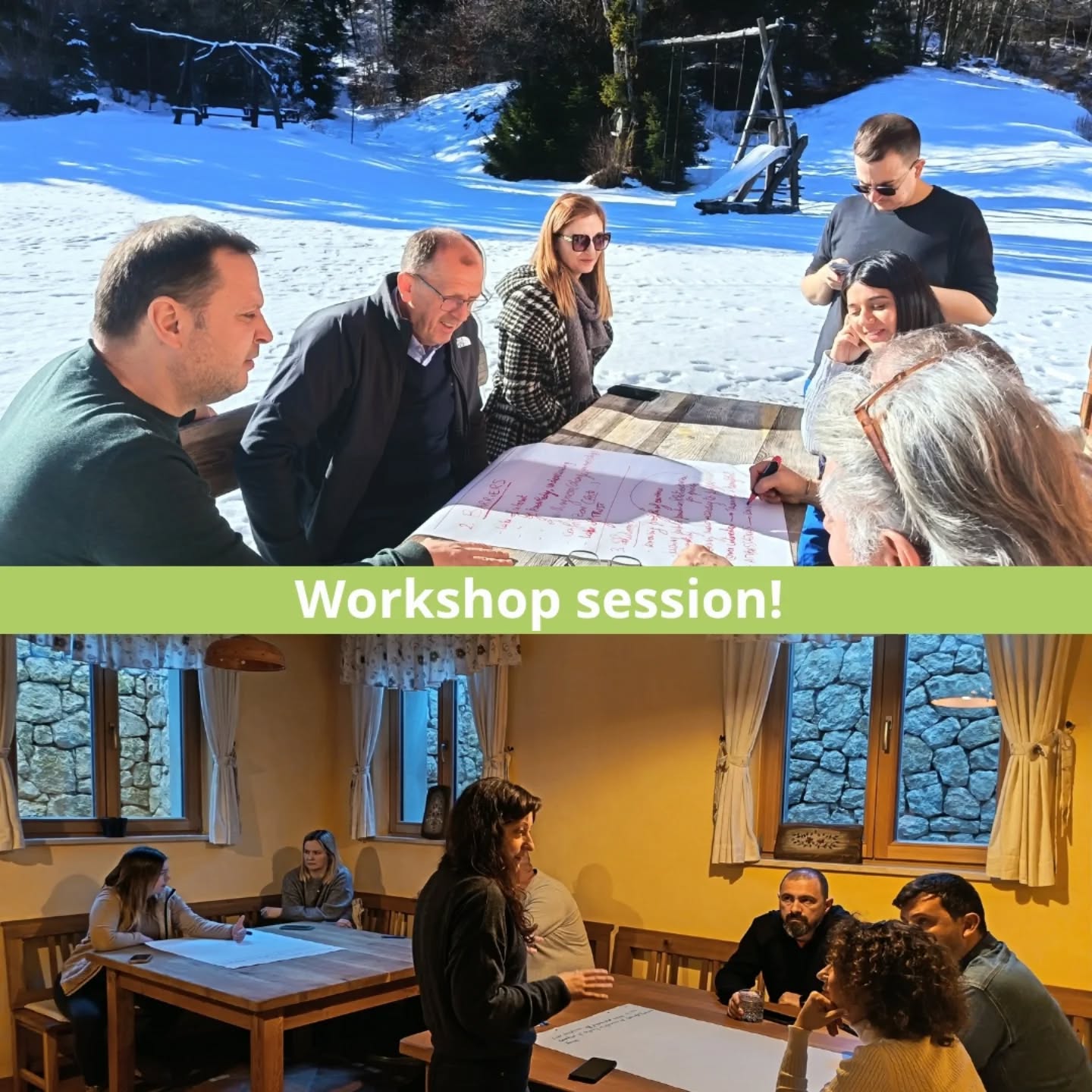
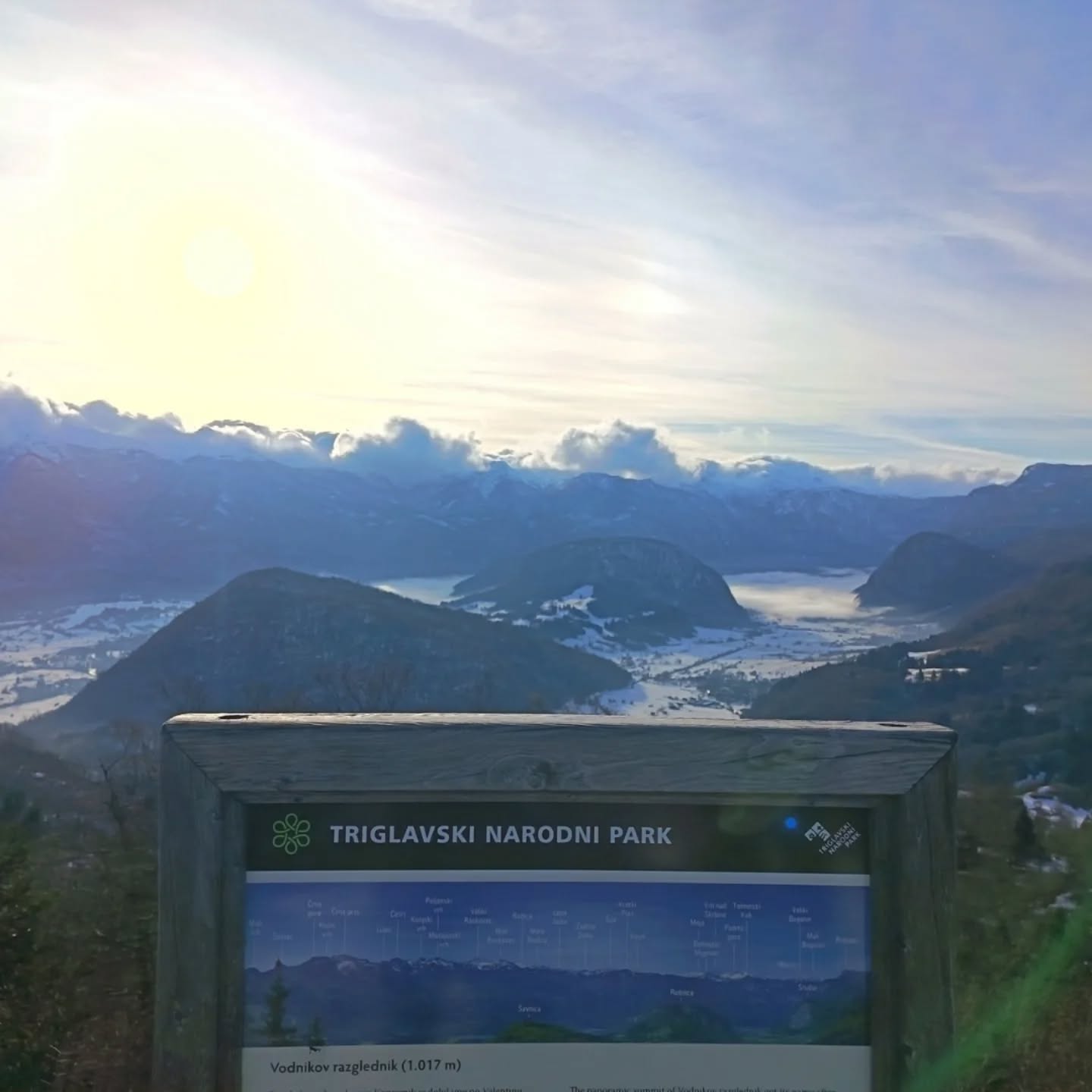
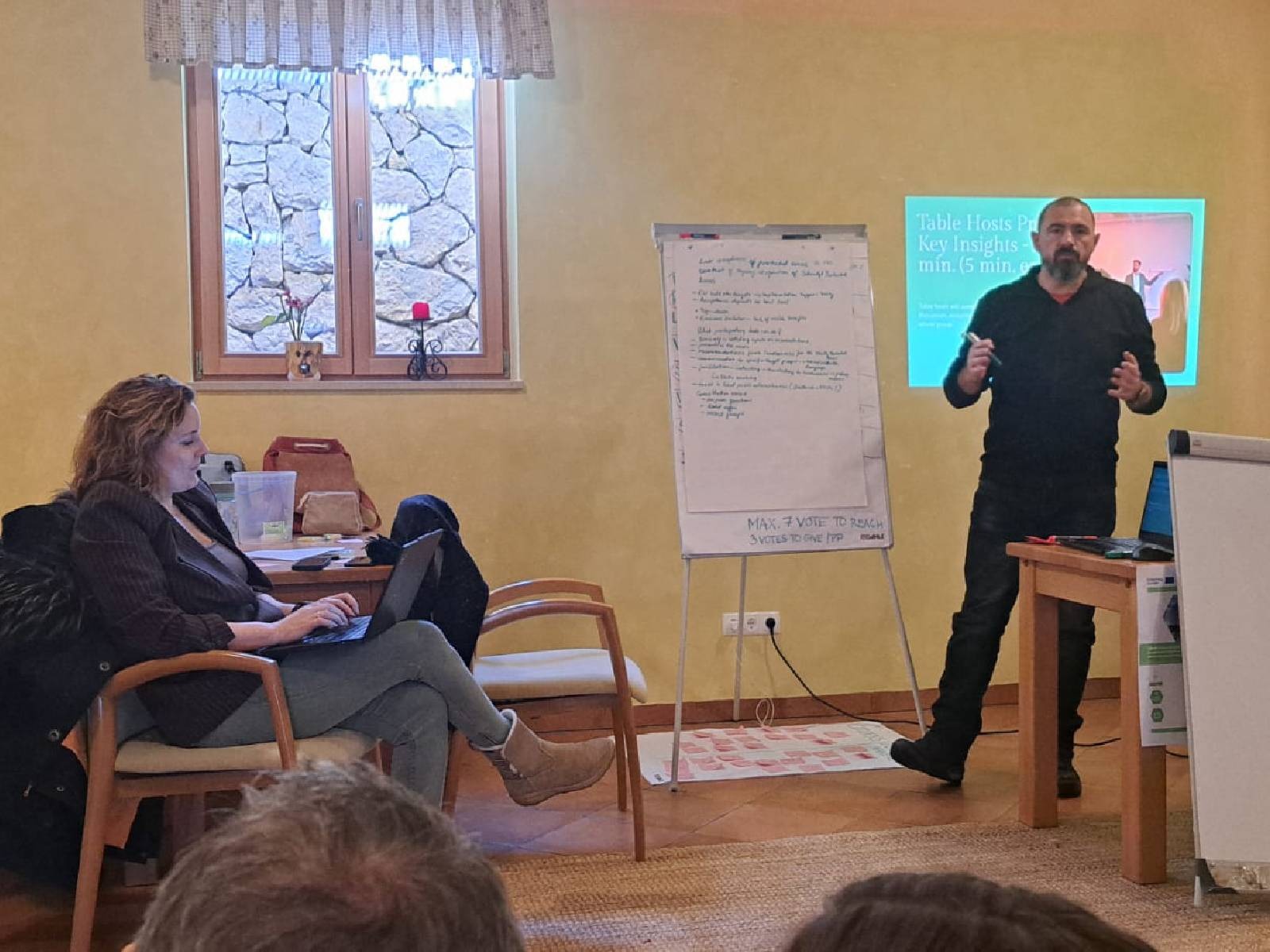
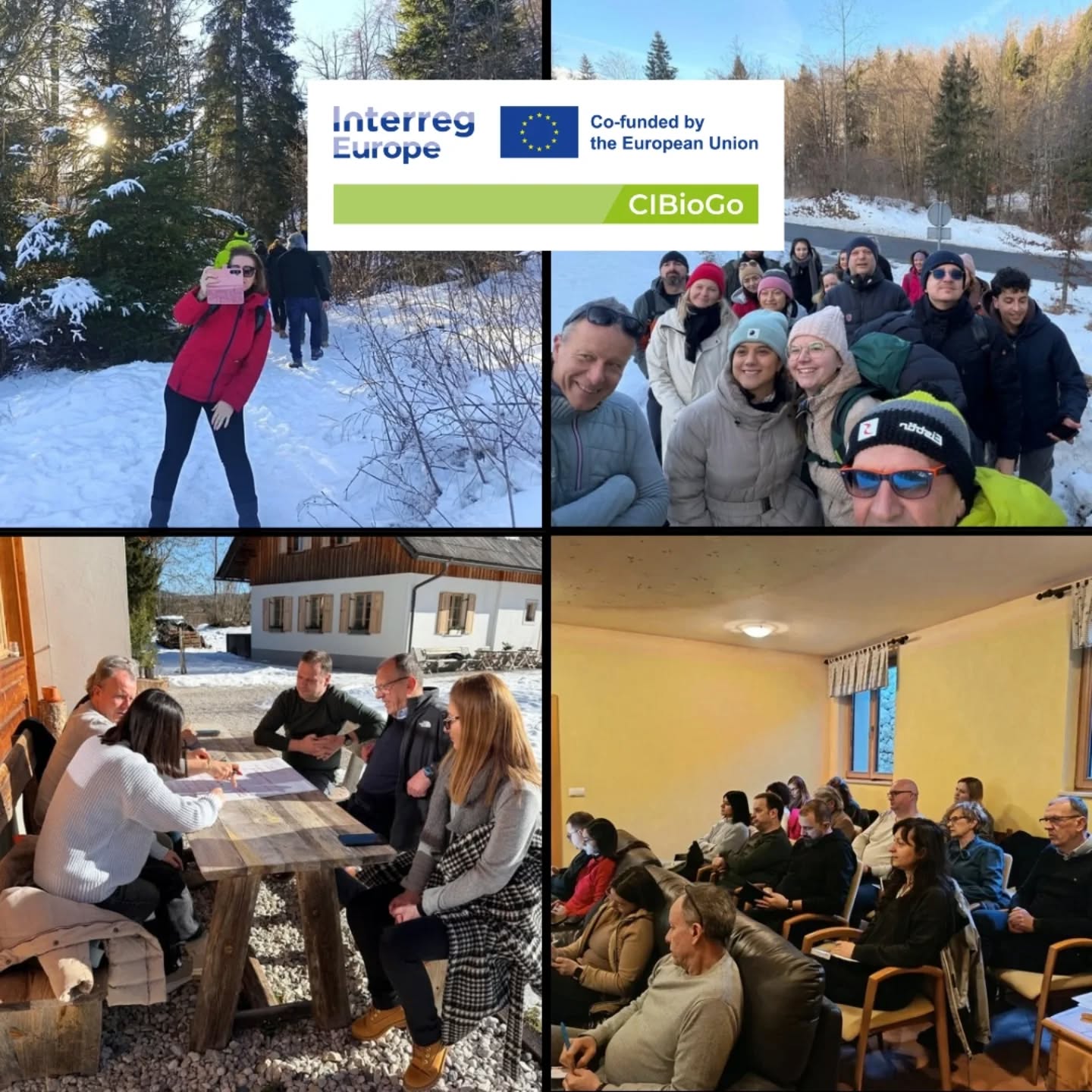
On January 27–28, the thematic and Steering Group meeting of the international project CIBioGo – Citizen Participation in Biodiversity Governance, supported by the Interreg Europe programme, took place in Pokljuka, Slovenia. Harghita County Council was also represented at the event by the designated project team.
The two-day professional programme focused on reviewing the project’s results to date, presenting policy developments, and discussing methodological approaches for their monitoring. Participants paid special attention to how good practices that strengthen community participation can be integrated into regional and local development policy instruments.
The meeting was accompanied by workshops and joint professional consultations, providing an opportunity for experience exchange among partner regions and for jointly rethinking applicable solutions. As part of the programme, a field activity also took place, contributing to the direct understanding of the natural environment and to demonstrating practical approaches to biodiversity management.
The participation of Harghita County Council aligns with the county’s efforts to support the development of strategic documents related to the Hășmaș Mountains area, as well as to actively involve local communities in the preservation of natural values. In the next phase of the project, the focus will be on the local adaptation of good practices.
General information about the project can be found in the following video:
https://www.youtube.com/watch?v=f8Hj5hKjLzs
Miercurea Ciuc, February 4, 2026.
European good practices – with the active participation of Harghita County
Representatives of the Harghita County Council participated in the fourth international meeting of the SEE – Sustainable Entrepreneurship Education project, held in Rome on January 20–21, implemented with the support of the Interreg Europe Programme. The event was organized by the Lazio Region, with the participation of France, Belgium, Germany, Latvia, Poland, Italy, and Romania.
The main objective of the meeting was to share and disseminate good practices in the field of entrepreneurship education, with a special focus on the use of digital tools, game-based learning methods (gamification), and innovative educational approaches that support the development of young people’s transversal skills.
The first day of the event focused on presenting good practices developed in the partner regions. Initiatives were introduced that contribute to talent identification and the development of entrepreneurial competences through video games and digital simulations, as well as those applying experiential learning methods by simulating business environments and integrating innovative approaches, including the use of artificial intelligence and cooperation between educational and economic stakeholders.
The delegation of Harghita County also contributed to the professional exchange of experience with its own presentation, showcasing the “Leader” board game developed by the Spektrum Educational Center. This cooperation-based gamification tool supports the development of key entrepreneurial competences – such as strategic thinking, communication, leadership skills, and problem-solving – in line with sustainable development goals.
The second day’s programme included a study visit to the Lazio Open Innovation Center (LOIC) in Zagarolo, which operates as a regional center of excellence in the fields of innovation, business development, and creative industries. Participants were introduced to successful start-up support and youth entrepreneurship programmes, as well as educational and digital projects of regional importance. In addition, a design thinking workshop was held, examining the future role of gamification in entrepreneurship education for young people.
Participation in the event provided valuable professional guidance for Harghita County in adapting European good practices to the local context, contributing to the modernization of educational approaches and the strengthening of the county’s entrepreneurial ecosystem.
Miercurea Ciuc, January 29, 2026.
Settlements of Harghita County
MIERCUREA CIUC – COUNTY-RANK CITY
Miercurea Ciuc
Csiba
Harghita-Băi
Jigodin-Băi
ODORHEIU SECUIESC – COUNTY-RANK CITY
Odorheiu Secuiesc
GHEORGHENI – COUNTY-RANK CITY
Gheorgheni
Covacipeter
Vargatag
Visszafolyó
Lacul Roșu (Red Lake)
TOPLIȚA – COUNTY-RANK CITY
Toplița
Magyaros
Moglănești
Secu
Zsákhegy
Luncani
Vălcelele
Vugănești
Călimani
Kelemenpatak
BĂLAN – TOWN
Bălan
BORSEC – TOWN
Borsec
CRISTURU SECUIESC – TOWN
Cristuru Secuiesc
Filiaș
Betfalva
SÂNGEORGIU DE PĂDURE – TOWN
Sângeorgiu de Pădure
Băile Homorod
Lövéte Mine
BĂILE TUȘNAD – TOWN
Băile Tușnad
Kárpitus Mine
COMMUNES
BILBOR COMMUNE
Bilbor
Răchitiș
MUGENI COMMUNE
Mugeni
Székelymagyaros
Béta
Décsfalva
Székelydobó
Agyagfalva
Mátisfalva
Vágás
CICEU COMMUNE
Ciceu
Ciaracio
DĂNEȘTI COMMUNE
Dănești
MĂDĂRAȘ COMMUNE
Mădăraș
PĂULENI-CIUC COMMUNE
Păuleni-Ciuc
Delnița
Csomortan
RACU COMMUNE
Racu
Gârciu
SÂNDOMINIC COMMUNE
Sândominic
SÂNCRĂIENI COMMUNE
Sâncrăieni
Menasag
Menasag Nou
Bancu
Ciobanis
Cotor
Egerszek
Gyürke
Pottyond
SÂNTIMBRU COMMUNE
Sântimbru
Băile Tușnad-Büdös
SÂNCOLIUS COMMUNE
Sâncolius
SÂNLEȚI COMMUNE
Sânleți
Fitod
Hosszúaszó
Mindzent
SÂNMARTIN COMMUNE
Sânmartin
Ciceu-Ciuc
Valea Uzului
SÂNMIHAI COMMUNE
Sânmihai
Ajnád
Văcărești
Lăzarea
SÂNSIMION COMMUNE
Sânsimion
Csatószeg
SÂNTOMA COMMUNE
Sântoma
ATID COMMUNE
Atid
Corundel
Cușmed
Inlăceni
Siclod
FARKASLAKA COMMUNE
Farkaslaka
Szentlélek
Bogárfalva
Firtosváralja
Nyikómalomfalva
Kecset
Székelypálfalva
Szencséd
Kisfalud
FELICENI COMMUNE
Felicieni
Săndulești
Arvățeni
Șoimuș
Fărcaș
Hoghia
Ocland
Székelylengyelfalva
Bikafalva
Telekfalva
Patakfalva
FELICENI COMMUNE
Feliceni
Küküllőkeményfalva
GALĂUȚAȘ COMMUNE
Galăuțaș
Szérüsdomb
Galăuțaș-Pârâu
Nuceni
Jigodin
Toleseni
Perlaca
Zapogea
GHEORGHENI COMMUNE
Gheorgheni
Borzont
Bucin
CIOBANESTI COMMUNE
Ciobanesti
DITRĂU COMMUNE
Ditrău
Orotva
Cengellér
HODOȘA COMMUNE
Hodoșa
Hollósarka
REMETEA COMMUNE
Remetea
Chichibu
Esenyő
Mártonka
SĂRMAȘ COMMUNE
Sărmaș
Gyergyóhodos
Runc
Platonești
Fundalja
SUBCETATE COMMUNE
Subcetate
Hăghig
Pintic
Recea
VALEA STRÂMBĂ COMMUNE
Valea Strâmbă
Chileni
Liban
Szenéte
Valea Întoarsă
LUNCA DE SUS COMMUNE
Lunca de Sus
Comiat
Sântatelec
Nyíresalja
Görbepataka
Ugrapataka
LUNCA DE JOS COMMUNE
Lunca de Jos
Barackospatak
Bükkhavaspataka
Farkaspalló
Borospatak
Căpolnapataka
Sötétpatak
Antalokpataka
Hidegségpataka
HOMOROD COMMUNE
Homorod
MARTINIȘ COMMUNE
Martiniș
Abásfalva
Băi
Remetea Homorodului
Kénos
Kénosfalva
Gyepes
Locod
Vărosfalva
Sânpetru Homorod
Recea
Sânpaul Homorod
CĂNIȘOARA COMMUNE
Cănișoara
Dăile
Iașu
Ege
Miclăușeni
Abrănești
Petec
Sânlăzăr Homorod
CĂPÂLNIȚA COMMUNE
Căpâlnița
CIUCIU COMMUNE
Ciuci
Jenőfalva
KASZONALTIZ COMMUNE
Kaszonaltiș
Kaszoni Nou
Kaszoni Iacobeni
Kaszoni Imper
Kaszoni Feltíz
CORUND COMMUNE
Corund
Atia
Calonda
Fenyőkút
Pálpataka
COZMA COMMUNE
Cozma
Lazăr
LUETA COMMUNE
Lueta
Băile Chirui
MĂDĂFALĂU COMMUNE
Mădăfalău
MĂRTINIȘ COMMUNE
Mărtiniș
OROȘENI COMMUNE
Oroșeni
Székelyfancsal
Székelyszentkirály
Székelyszenttamás
Tibod
Üknyéd
Ülke
PRAID COMMUNE
Praid
Békástelep
Bucin
Ocna de Jos
Ocna de Sus
Sásveres
ANDREIȘENI COMMUNE
Andreișeni
Solymos Mare
Solymos Mic
Székelyhidegkút
Újlak
SIMONEȘTI COMMUNE
Simonești
Bencéd
Cădaciu Mare
Cădaciu Mic
Cehețel
Kede Mare
Kede Mic
Cobătești
Medesér
Székelyszentmihály
Székelyszentmiklós
Rugonfalva
Tarcsafalva
Tordátfalva
DÂRJIU COMMUNE
Dârjiu
Mujna
VÂRȘAG COMMUNE
Vârșag
AVRĂMEȘTI COMMUNE
Avrămești
Măgura
Ciceu
Firtosmartonos
Gagy
Firtosiláz
Solymosiláz
Kismedesér
SÂNPAUL COMMUNE
Sânpaul
Borșova
Bükkloka
Sânmihai
TUȘNAD COMMUNE
Tușnad
Tușnadu Nou
Verești
ULIES COMMUNE
Ulieș
Alsóboldogfalva
Székelyszenterzsébet
VĂRGHIȘ COMMUNE
Vărghiș
Călna
Duda
Filpeș
VOSLĂBENI COMMUNE
Voslobeni
Izvoru Mureșului
ZETEA COMMUNE
Zetea
Deșag
Ivo
Câmpul Târnavei
Sikaszo
Zetea Valley
Geographical description
Hargitai “card index”
What do the data say about a county?
The same as a card index does about a person—everything and nothing. They flash the essence, but only point to what is unique and intangible.
About Harghita County we can write that it is located in Romania, in the eastern part of Inner Transylvania; it is no secret either that its area is 6639 square kilometers, with a population of 310867 in 2011.
It is customary, as card-index data, to list its 9 towns—4 of them municipalities—its 58 communes, and its 236 villages. When it was established in 1968, its chosen name was not ancient, yet it refers to the Harghita Mountains, where the county’s second-highest peak rises (Madarasi-Harghita, 1801 m); the highest peak as well, Rekettyés (Călimani Mountains, 2021 m), rises only slightly above that.
From here we can already descend into the depths, for even if the mountain range forming the county’s backbone—and the central group of the Eastern Carpathians marking its eastern border—has further peaks, the western part of the county is made up of gentler, rolling hill country (Udvarhely). Moreover, an important thread in the county’s life is the “Székely chain of basins,” which, from north to south, fits into a unified whole with ever more spacious basins along the Bélbor–Borsec–Gyergyó–Csík line.
Harghita County is at once gentle and harsh, depending on where one lives—closer to the sky or farther from it, within the gravitational pull of economic and social hubs, or sustained by the sparser but purer air of wise seclusion. Its climate can be described as temperate continental; winds usually blow from the west, yet Romania’s cold pole is also found here: Gyergyóalfalu, while Miercurea Ciuc at times competes for the primacy of −40°C, with alternating chances. Snow often lingers for 120–150 days, so the water balance is very rich. On the one hand, the sibling rivers rising within easy reach—the Mureș and the Olt—and on the other, the livable valley belts formed along the Târnava and Homorod rivers make this corner of the country attractive and sustaining.
Owing to the volcanic origin of its mountains, alongside extraordinary natural beauties—such as Lake Saint Anne, a crater lake in the Ciomad, or the Mohos peat bog—its hundreds of mineral water springs, together with its human reserves of value, are all riches that remain sources of local self-awareness and legendary Székely pride to this day. This is complemented, with its own history and scenery, by Lake Roșu (Red Lake) and its surroundings, offering on a platter the blessings of hopes invested in tourism for the region.
It does not lack flora and fauna, yet the rural climate of Harghita treats cultivated crops somewhat harshly; due to relatively little sunshine, a good portion of vegetables and fruits travels to the county’s markets from gentler, more generous regions. Potatoes, however, remain faithfully at the side of the people of Harghita and, as a useful barter good, not infrequently help out in times of need.
According to the eternal law of give and take, Harghita County gladly hosts its visitors, shares its natural and cultural values with them. The several hundred listed monuments can be admired and appreciated—indeed, even preserved—pleasant memories can be gained from its thermal baths and health resorts, lasting impressions from its customs and traditions, its cuisine—very tasty even in its simplicity—and from Székely hospitality.
The drive to create value is gaining ever more ground on both sides of Harghita; alongside technical progress, science, and the many indispensable challenges of the modern age, wood, construction raw materials, clay, and salt still represent this region’s “trump cards.”
It is in the nature of a card index that the data sheet fills up quickly; renunciation of completeness is already lodged in the text at birth. Yet every datum and sign finds its place in it with the hope that, behind the images lined up in the volume, the promising face of the Harghita people’s livable everyday life will come into view.
Cultural events contribute to the preservation of traditions, the education of young people, and the promotion of authentic values
More than 80,000 people showed interest in the events organized by the Harghita County Tradition Resource Center
Over the past year, the Harghita County Tradition Resource Center, a subordinate institution of the Harghita County Council, focused its activities on documenting, preserving, and promoting the authentic values of local cultural heritage. Its goal was to strengthen regional cultural identity and to expand the community’s access to cultural life.
According to Izabella Bartalis, director of the Harghita County Tradition Resource Center, their aim was not only to promote cultural programs but also to improve their diversity and quality, expand institutional collaborations at the county, national, and international levels, engage young audiences, and build a loyal audience committed to traditional culture. At the same time, special emphasis was placed on developing online communication and increasing the institution’s visibility through media partnerships.
Over the past year, the cultural centre organized large-scale festivals and events, ethnographic and traditional art exhibitions, publishing programs and book launches, educational activities, craft workshops, and audiovisual productions on ethnographic topics.
In 2025, more than 60 cultural programs were organized, including around 15 festivals and major events, more than 20 exhibitions and public presentations, approximately 15 educational programs and workshops, and over 10 book launches, screenings, and other publishing events.
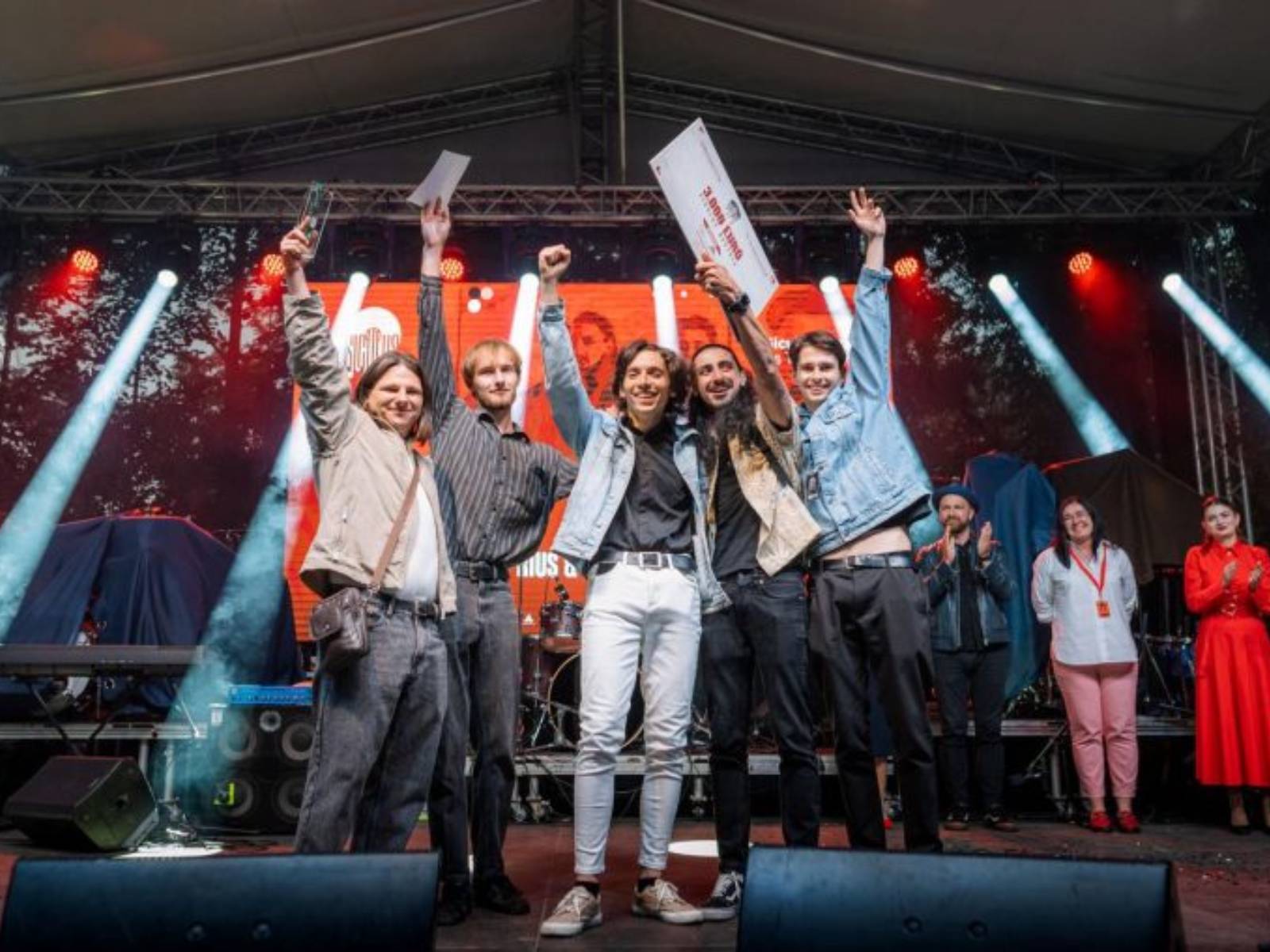
Highlighted events included the Siculus Festival, Secler Days, and the Transylvanian Dance House Meeting, which attracted thousands of participants and significantly contributed to promoting the county’s traditional values.
According to data provided by Izabella Bartalis, the estimated total number of participants in the programs organized in 2025 exceeded 80,000, including both audiences present in person at events and those reached via online platforms.
The target audience of the programs was extremely diverse: children and students, young people, families, teachers, cultural professionals, artisans, as well as the general public interested in traditions and local identity. The activities had a significant impact on the community, strengthening the sense of belonging, expanding access to culture, encouraging intercultural dialogue, and contributing to promoting Harghita County as an active and attractive cultural space.
Feedback from the community was overwhelmingly positive, as reflected in the continuous growth in participant numbers, lively interactions online, and numerous requests to repeat and expand successful programs.
In parallel, the Harghita County Tradition Resource Center also participated as a partner in other cultural projects in the Udvarhely region. In total, they supported 30 cultural projects, worth 372,000 lei. These included “In the Footsteps of the Values of the Gagy Stream Valley,” the “Slam Poetry Championship,” and the “dramaMA” contemporary theatre festival.
The list of winning projects in the Udvarhely region can be found at the following link: https://hagyomany.ro/palyazatok/
– The Harghita County Tradition Resource Center is a custodian of cultural memory and local identity. Through our activities, we strive to contribute to the preservation of traditions, the education of young people, and the promotion of Harghita County’s authentic values – stated Izabella Bartalis.
Through its events and programs, the Centre continues to play a key role in the cultural development of Harghita County, providing the community with identity, continuity, and dialogue between the past, present, and future.


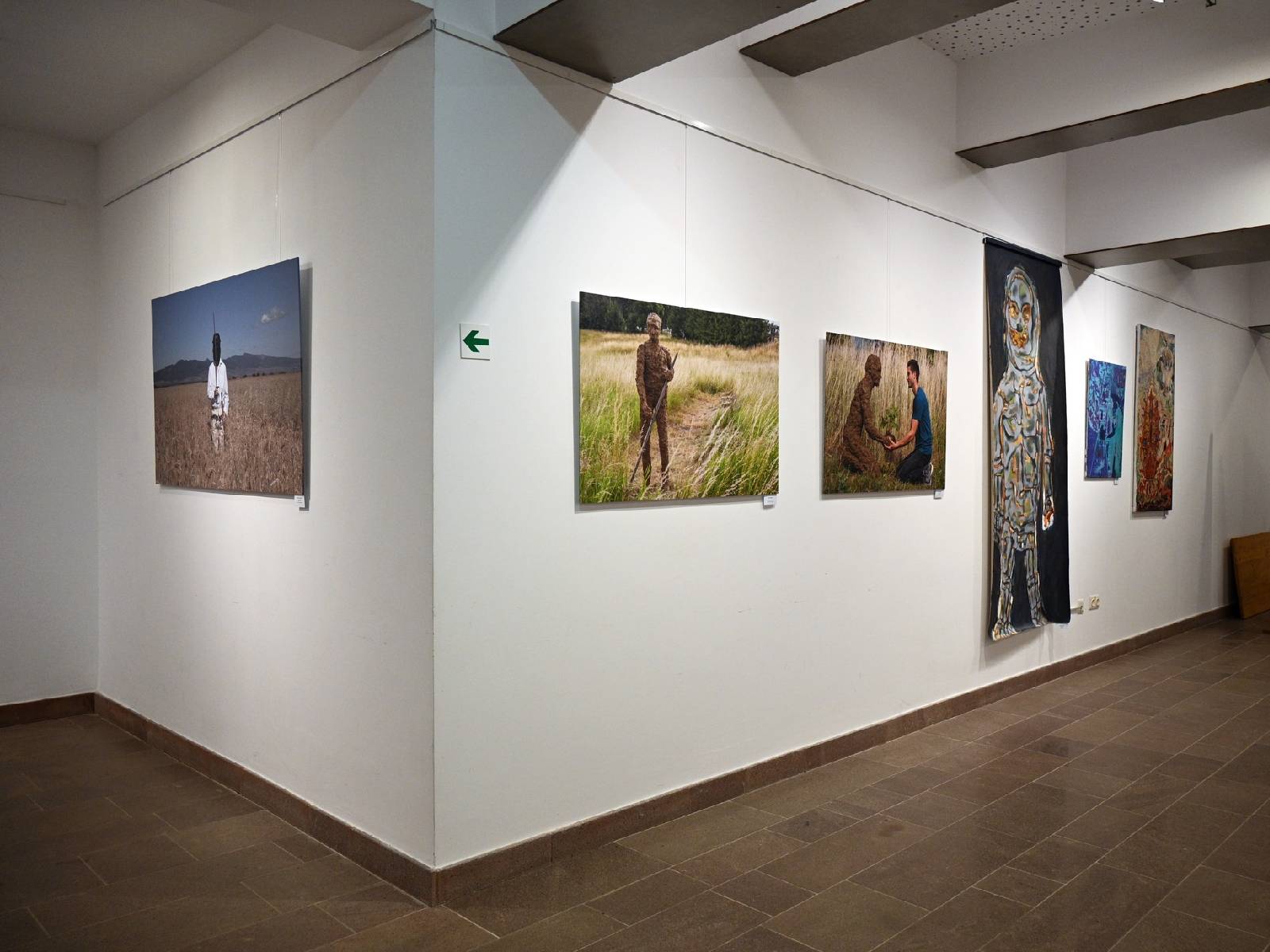
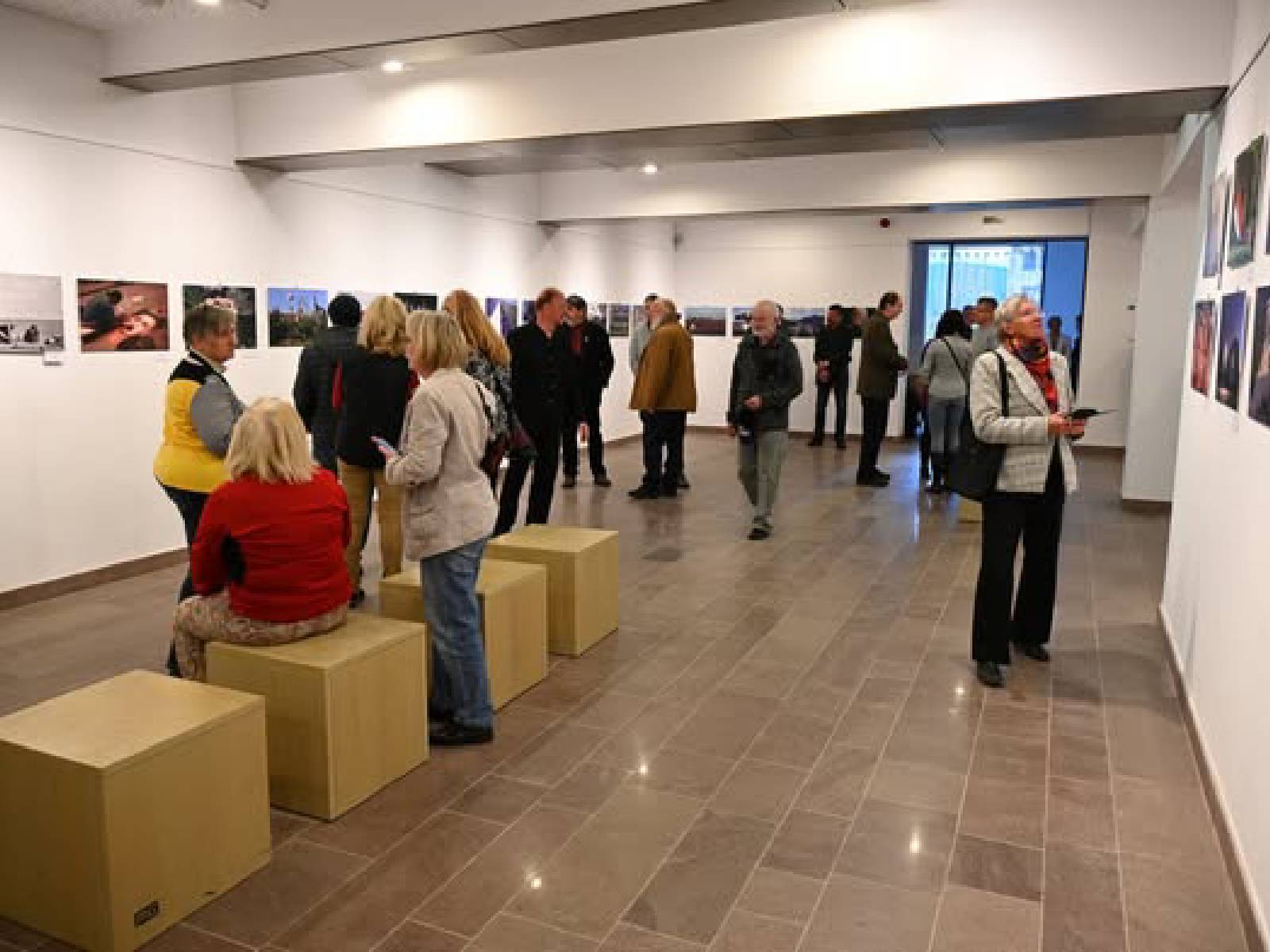
Nearly 3,700 visitors attended the exhibitions organized by the Cultural Center of Harghita County in 2025
As is known, the County Hall Gallery and the ground-floor exhibition space of the County Hall had to find a new location from May this year due to the building’s energy renovation works. The exhibitions found a home in several locations.
During this year, within the framework of the Exhibition Program, the Cultural Center of Harghita County organized a total of 19 visual arts exhibitions across seven fields: painting, sculpture, installation, photography, enamel art, aircraft models, ship models and car models, as well as visual arts. Most exhibitions were related to visual arts (8) and photography (5).
The exhibitions attracted nearly 3,700 visitors, including 30 student groups from ten schools in Miercurea Ciuc who participated in guided visits, which significantly contributes to increasing students’ interest in visual arts.
The exhibitions were open to visitors at several locations: until the end of April at the County Hall Gallery, as well as in the Csíki Cinema building, the building of the Cultural Center of Harghita County, and the House of Arts.
Currently, two exhibitions are still awaiting visitors:
- “Autumn Salon” – at the Csíki Cinema, open until January 27, 2026;
- “Post Ignis” – at the Cultural Center of Harghita County, open until January 15, 2026.
Information about the exhibition program and further details are available at the following link:
https://www.facebook.com/Megyehaza.Galeria
Miercurea Ciuc, December 15, 2025.




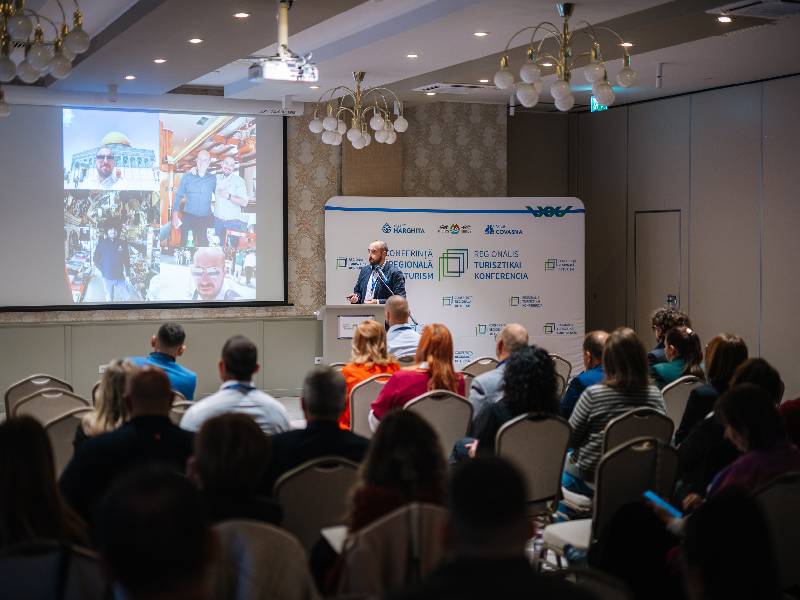
The 4th Regional Tourism Conference concluded successfully in Miercurea Ciuc
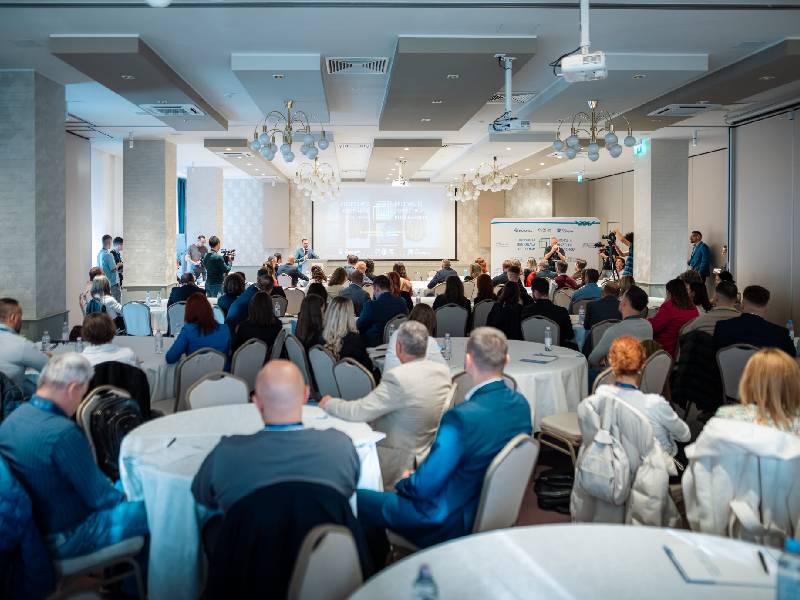
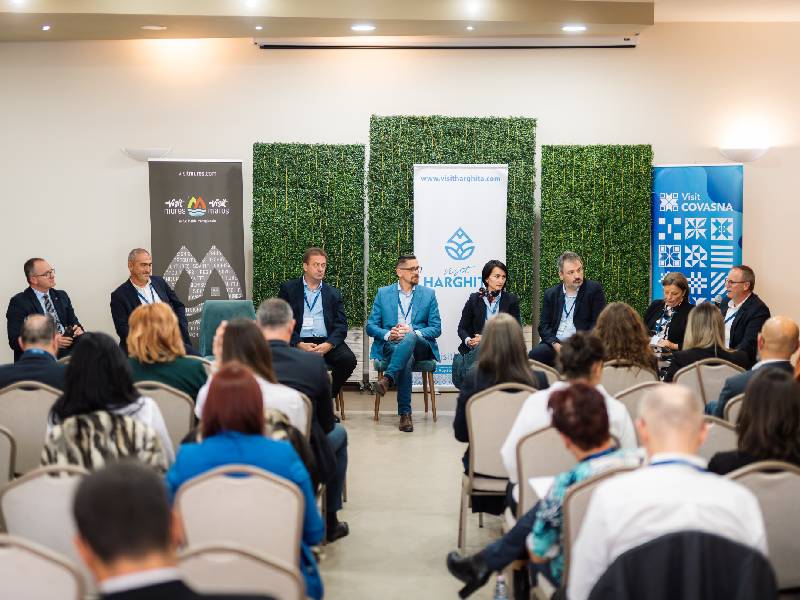
The fourth edition of the Regional Tourism Conference was held on October 15–16, 2025, once again hosted by Miercurea Ciuc. As one of the most important professional gatherings in the region, the event brought together nearly 200 tourism entrepreneurs, experts, educators, students, and decision-makers to jointly reflect on the future of tourism, innovation, and opportunities for regional cooperation.
Digitalization, AI, and Cooperation in Focus
The first day of the conference was dedicated to innovation and cooperation. Experts from Booking.com and Travelminit presented concrete examples of how artificial intelligence is transforming the travel experience and guest relations. Norbert Fejér, CEO of HelixSoft, highlighted in his presentation that digitalization is not only a technological issue but also a strategic opportunity to increase competitiveness. The presentation of the România Atractivă project also emphasized the importance of digital development and data-driven decision-making in tourism.
The afternoon continued with two sections: in the TDM section, representatives of several Transylvanian tourist destinations – including Brașov, Mureș, Sibiu, Covasna, and Harghita counties – shared their good practices and future plans, while the parallel communication section focused on practical marketing and visual strategies. Erzsébet Kádár (SmartADDs) spoke about the role of database building, Jenő Nagy (OptiBoost) about online advertising strategies, and Ioana Mihaela Cobiliță (Sinaps) about digital trends – including voice search and AI targeting. In the field of visual communication, photographer and graphic editor László Mihály and László Olasz (Alpix Visual Studio) presented the importance of professional photography, while Zoltán Pál (Magenta7) shared practical experiences on creating tourism program packages. The section concluded with a presentation by Zelinda Páll, marketing communication specialist at Visit Harghita (Harghita Community Development Association), who introduced a new community platform designed for entrepreneurs and organizations interested in tourism.
Gastronomy and Local Values
The second day of the conference focused on the diversity of Transylvanian gastronomy and the future of hospitality based on local ingredients.
The day opened with Előd Szőcs (Csíkcsomortán Abattoir – Butcher Manufactory), who spoke about the value of traditional, locally sourced ingredients under the motto “Only from pure sources.” He was followed by Adorján Trucza, founder of Taste of Transylvania, whose presentation titled Pizza or Polenta? explored the search for identity in Transylvanian gastronomy. István Becze, president of the Association of Székely Farmers’ Organizations, highlighted the role of local producers and the opportunities within gastro-tourism, while Károly Szabó, Executive Director of Visit Harghita (Harghita Community Development Association), spoke about the long-term impacts of obtaining the title of European Region of Gastronomy in his presentation What Will Happen in 2027? Is It the Promised Land?
Szilamér Cseh, founder and head sommelier of the Fine Service Academy, shared his experiences on the art of service and creating guest experiences in his presentation The Secrets of Guest Experience, followed by Domokos Bándi (Gastrobun), who presented the future of gastronomy and strategies for sustainable development. Within the framework of the Food Savers project, Claudia Popa, food engineer at Boroinfo, presented concrete solutions for reducing food waste in the HoReCa sector.
The afternoon program highlighted artisanal gastronomy and creative approaches: photographer Zoltán Biró’s presentation The Photographer’s Coffee in Practice brought the role of coffee preparation closer to the world of gastronomy. István Bocskor, founder of Bocskor Bakery, spoke about the secrets of sourdough preparation and the art of good bread in his presentation Our Sourdough. Judit Potyó, founder of the Sasfészek Gastro Point, shared her experiences in creating and operating a gastro point based on local ingredients.
During the panel discussion Transylvanian Gastronomy Books, participants gained insight into gastronomic publications from the region, including the 100 Recipes – 100 Housewives series and the preparation of the Food Saver Book (Food Savers project).
The two-day event was initiated by the tourism organizations of Harghita, Mureș, and Covasna counties, with the Harghita Community Development Association (Visit Harghita) acting as the main organizer this year. The event was supported by the Pro Economica Foundation, Liliac Winery, Bocskor Bakery, as well as the County Councils of Harghita, Mureș, and Covasna.
At the closing of the conference, it was announced that the main organizer of the 5th Regional Tourism Conference in 2026 will be Visit Covasna. The organizers emphasized that next year’s event will continue in the spirit of regional cooperation and the shared vision of developing tourism.




An increasing number of family-friendly destinations welcomes visitors in Harghita County
This year, thirty-seven family-friendly tourism providers received the Visit Harghita – Family-friendly certificate on Saturday, October 11, at the Eskaperdo Resort in Zeteváralja.
The certificates were presented by Barna-Botond Bíró, President of the Harghita County Council, Károly Szabó, Executive Director of the Harghita Community Development Association, and Răzvan Pascu, Harghita County’s official tourism ambassador.
The Family-friendly program was launched in 2020 by the Visit Harghita team with the aim of making Harghita County a family-friendly tourism destination. The initiative brings together accommodations, restaurants, programs, attractions, and events that adopt a family-centered approach and meet the requirements for obtaining the certificate.
To earn the certification, service providers must hold an official license and meet the criteria outlined in the Family-friendly Handbook. Visit Harghita staff personally visit each applicant and, if any shortcomings are found, provide a deadline for their correction.
“In difficult times, supporting communities is especially important, which is why the County Council continuously works to strengthen local tourism. In 2027, Harghita County will be Europe’s Gastronomic Region, which will further increase our region’s visibility and tourist appeal – creating new opportunities for all service providers,” said Barna-Botond Bíró, President of the Harghita County Council and the Development Association.
With this year’s award ceremony, a total of 225 tourism services with family-friendly certification are now available to visitors in Harghita County. According to the organizers, every family can find the ideal accommodation, restaurant, program, or attraction for themselves.
The Family-friendly offerings are available on the Visit Harghita website (www.visitharghita.com) and mobile app, and an annual printed guide is also produced, presented at tourism fairs and events.
The Harghita Studio compilation can be viewed here: https://www.facebook.com
The following providers received the certificate:
ACCOMMODATION:
- Orgona Apartments – Miercurea Ciuc
- N37 – The Other House – Jigodin Ciuc
- Nova House Apartments – Delnița
- Casa de oaspeţi Sófalvi Guesthouse – Sântimbru
- Pensiunea Lali – Mădăraș
- Villa Bellini – Borsec
- Pensiunea Veranda – Remetea
- Pensiunea Romantika – Odorheiu Secuiesc
- Pensiunea Szeltersz – Lăzarea
- Eskaperdo Resort – Subcetate
- Pensiune & Camping Zetavár – Subcetate
- Flow House – Satu Mare
- Pensiunea Erdély Kincse – Sicasău
- Pensiunea Kovács – Praid
- Relax House Studio – Praid
- Pensiunea Farkas – Praid
- Pensiunea Molnár Guesthouse – Praid
- Prosilva House – Toplița
- Pensiunea Izabella – Toplița
- Casa Alex – Gălăuțaș
RESTAURANTS:
- Bellini Bistro – Borsec
- Restaurant Veranda – Remetea
- Restaurant Ski Varsag – Vărșag
FAMILY-FRIENDLY TOURISM PROGRAMS:
- Siberian Angel – Băile Harghita
- Magic Selfie House – Praid
- Club Sportiv Szirtisas Archery Club – Ocna de Sus
- Atelier de țesut / Weaving Workshop – Nicoleni
- Lobogó Bob – Băile Homorod
FAMILY-FRIENDLY TOURIST ATTRACTIONS:
- Csíki Székely Museum – Miercurea Ciuc
- Márton Áron Museum
- Lázár Castle
- Henter Manor
FAMILY-FRIENDLY EVENTS:
- Running Festival Miercurea Ciuc
- Fuss Neki! Csík
- Fuss Neki! Gyergyó
- Fuss Neki! Udvarhely
- Saint Gellért Cross
Miercurea Ciuc, October 13, 2025
International experience and local cooperation for the development of the social economy in Harghita County
Discussions on the development of the social economy, the opportunities in Harghita County, and the integration of international good practices into local decisions and programmes took place at a stakeholder meeting held in Miercurea Ciuc at the sewing workshop of the Right Association on February 17, organized by the Harghita County Council.
The meeting was organized within the SECON – Social Economy Regional Policies international project, implemented through the Interreg Europe programme, in which Harghita County Council is a partner. The project aims to make regional policies supporting the social economy more effective and transparent. The work focuses on several areas, including the involvement of stakeholders, increasing the visibility of the social economy, creating a favorable policy and legal environment, improving financing opportunities, as well as strengthening impact measurement and social innovation.
The sixth stakeholder meeting within the project was held at the Right Association, with the participation of representatives of social enterprises, civil society organizations, and public institutions. The civil organization based in Miercurea Ciuc supports the social and labor market integration of disadvantaged groups through its activities and programmes, and serves as a good example of how the social economy can create real opportunities. During the visit, discussions addressed the challenges faced by social economy actors in their daily work, including administrative burdens and financing issues. Participants concluded that the development of the social economy must be a conscious process based on cooperation.
Within the framework of the project, the next international meeting will be held in April 2026 in Mannheim, where the focus will be on monitoring, data-driven decision-making, social innovation, and start-up support. These experiences may also be useful for Harghita County.
International cooperation for biodiversity governance based on community participation
Harghita County’s participation in the CIBioGo project meeting in Slovenia
On January 27–28, the thematic and Steering Group meeting of the international project CIBioGo – Citizen Participation in Biodiversity Governance, supported by the Interreg Europe programme, took place in Pokljuka, Slovenia. Harghita County Council was also represented at the event by the designated project team.
The two-day professional programme focused on reviewing the project’s results to date, presenting policy developments, and discussing methodological approaches for their monitoring. Participants paid special attention to how good practices that strengthen community participation can be integrated into regional and local development policy instruments.
The meeting was accompanied by workshops and joint professional consultations, providing an opportunity for experience exchange among partner regions and for jointly rethinking applicable solutions. As part of the programme, a field activity also took place, contributing to the direct understanding of the natural environment and to demonstrating practical approaches to biodiversity management.
The participation of Harghita County Council aligns with the county’s efforts to support the development of strategic documents related to the Hășmaș Mountains area, as well as to actively involve local communities in the preservation of natural values. In the next phase of the project, the focus will be on the local adaptation of good practices.
General information about the project can be found in the following video:
https://www.youtube.com/watch?v=f8Hj5hKjLzs
Miercurea Ciuc, February 4, 2026.
European good practices – with the active participation of Harghita County
Representatives of the Harghita County Council participated in the fourth international meeting of the SEE – Sustainable Entrepreneurship Education project, held in Rome on January 20–21, implemented with the support of the Interreg Europe Programme. The event was organized by the Lazio Region, with the participation of France, Belgium, Germany, Latvia, Poland, Italy, and Romania.
The main objective of the meeting was to share and disseminate good practices in the field of entrepreneurship education, with a special focus on the use of digital tools, game-based learning methods (gamification), and innovative educational approaches that support the development of young people’s transversal skills.
The first day of the event focused on presenting good practices developed in the partner regions. Initiatives were introduced that contribute to talent identification and the development of entrepreneurial competences through video games and digital simulations, as well as those applying experiential learning methods by simulating business environments and integrating innovative approaches, including the use of artificial intelligence and cooperation between educational and economic stakeholders.
The delegation of Harghita County also contributed to the professional exchange of experience with its own presentation, showcasing the “Leader” board game developed by the Spektrum Educational Center. This cooperation-based gamification tool supports the development of key entrepreneurial competences – such as strategic thinking, communication, leadership skills, and problem-solving – in line with sustainable development goals.
The second day’s programme included a study visit to the Lazio Open Innovation Center (LOIC) in Zagarolo, which operates as a regional center of excellence in the fields of innovation, business development, and creative industries. Participants were introduced to successful start-up support and youth entrepreneurship programmes, as well as educational and digital projects of regional importance. In addition, a design thinking workshop was held, examining the future role of gamification in entrepreneurship education for young people.
Participation in the event provided valuable professional guidance for Harghita County in adapting European good practices to the local context, contributing to the modernization of educational approaches and the strengthening of the county’s entrepreneurial ecosystem.
Miercurea Ciuc, January 29, 2026.
Settlements of Harghita County
MIERCUREA CIUC – COUNTY-RANK CITY
Miercurea Ciuc
Csiba
Harghita-Băi
Jigodin-Băi
ODORHEIU SECUIESC – COUNTY-RANK CITY
Odorheiu Secuiesc
GHEORGHENI – COUNTY-RANK CITY
Gheorgheni
Covacipeter
Vargatag
Visszafolyó
Lacul Roșu (Red Lake)
TOPLIȚA – COUNTY-RANK CITY
Toplița
Magyaros
Moglănești
Secu
Zsákhegy
Luncani
Vălcelele
Vugănești
Călimani
Kelemenpatak
BĂLAN – TOWN
Bălan
BORSEC – TOWN
Borsec
CRISTURU SECUIESC – TOWN
Cristuru Secuiesc
Filiaș
Betfalva
SÂNGEORGIU DE PĂDURE – TOWN
Sângeorgiu de Pădure
Băile Homorod
Lövéte Mine
BĂILE TUȘNAD – TOWN
Băile Tușnad
Kárpitus Mine
COMMUNES
BILBOR COMMUNE
Bilbor
Răchitiș
MUGENI COMMUNE
Mugeni
Székelymagyaros
Béta
Décsfalva
Székelydobó
Agyagfalva
Mátisfalva
Vágás
CICEU COMMUNE
Ciceu
Ciaracio
DĂNEȘTI COMMUNE
Dănești
MĂDĂRAȘ COMMUNE
Mădăraș
PĂULENI-CIUC COMMUNE
Păuleni-Ciuc
Delnița
Csomortan
RACU COMMUNE
Racu
Gârciu
SÂNDOMINIC COMMUNE
Sândominic
SÂNCRĂIENI COMMUNE
Sâncrăieni
Menasag
Menasag Nou
Bancu
Ciobanis
Cotor
Egerszek
Gyürke
Pottyond
SÂNTIMBRU COMMUNE
Sântimbru
Băile Tușnad-Büdös
SÂNCOLIUS COMMUNE
Sâncolius
SÂNLEȚI COMMUNE
Sânleți
Fitod
Hosszúaszó
Mindzent
SÂNMARTIN COMMUNE
Sânmartin
Ciceu-Ciuc
Valea Uzului
SÂNMIHAI COMMUNE
Sânmihai
Ajnád
Văcărești
Lăzarea
SÂNSIMION COMMUNE
Sânsimion
Csatószeg
SÂNTOMA COMMUNE
Sântoma
ATID COMMUNE
Atid
Corundel
Cușmed
Inlăceni
Siclod
FARKASLAKA COMMUNE
Farkaslaka
Szentlélek
Bogárfalva
Firtosváralja
Nyikómalomfalva
Kecset
Székelypálfalva
Szencséd
Kisfalud
FELICENI COMMUNE
Felicieni
Săndulești
Arvățeni
Șoimuș
Fărcaș
Hoghia
Ocland
Székelylengyelfalva
Bikafalva
Telekfalva
Patakfalva
FELICENI COMMUNE
Feliceni
Küküllőkeményfalva
GALĂUȚAȘ COMMUNE
Galăuțaș
Szérüsdomb
Galăuțaș-Pârâu
Nuceni
Jigodin
Toleseni
Perlaca
Zapogea
GHEORGHENI COMMUNE
Gheorgheni
Borzont
Bucin
CIOBANESTI COMMUNE
Ciobanesti
DITRĂU COMMUNE
Ditrău
Orotva
Cengellér
HODOȘA COMMUNE
Hodoșa
Hollósarka
REMETEA COMMUNE
Remetea
Chichibu
Esenyő
Mártonka
SĂRMAȘ COMMUNE
Sărmaș
Gyergyóhodos
Runc
Platonești
Fundalja
SUBCETATE COMMUNE
Subcetate
Hăghig
Pintic
Recea
VALEA STRÂMBĂ COMMUNE
Valea Strâmbă
Chileni
Liban
Szenéte
Valea Întoarsă
LUNCA DE SUS COMMUNE
Lunca de Sus
Comiat
Sântatelec
Nyíresalja
Görbepataka
Ugrapataka
LUNCA DE JOS COMMUNE
Lunca de Jos
Barackospatak
Bükkhavaspataka
Farkaspalló
Borospatak
Căpolnapataka
Sötétpatak
Antalokpataka
Hidegségpataka
HOMOROD COMMUNE
Homorod
MARTINIȘ COMMUNE
Martiniș
Abásfalva
Băi
Remetea Homorodului
Kénos
Kénosfalva
Gyepes
Locod
Vărosfalva
Sânpetru Homorod
Recea
Sânpaul Homorod
CĂNIȘOARA COMMUNE
Cănișoara
Dăile
Iașu
Ege
Miclăușeni
Abrănești
Petec
Sânlăzăr Homorod
CĂPÂLNIȚA COMMUNE
Căpâlnița
CIUCIU COMMUNE
Ciuci
Jenőfalva
KASZONALTIZ COMMUNE
Kaszonaltiș
Kaszoni Nou
Kaszoni Iacobeni
Kaszoni Imper
Kaszoni Feltíz
CORUND COMMUNE
Corund
Atia
Calonda
Fenyőkút
Pálpataka
COZMA COMMUNE
Cozma
Lazăr
LUETA COMMUNE
Lueta
Băile Chirui
MĂDĂFALĂU COMMUNE
Mădăfalău
MĂRTINIȘ COMMUNE
Mărtiniș
OROȘENI COMMUNE
Oroșeni
Székelyfancsal
Székelyszentkirály
Székelyszenttamás
Tibod
Üknyéd
Ülke
PRAID COMMUNE
Praid
Békástelep
Bucin
Ocna de Jos
Ocna de Sus
Sásveres
ANDREIȘENI COMMUNE
Andreișeni
Solymos Mare
Solymos Mic
Székelyhidegkút
Újlak
SIMONEȘTI COMMUNE
Simonești
Bencéd
Cădaciu Mare
Cădaciu Mic
Cehețel
Kede Mare
Kede Mic
Cobătești
Medesér
Székelyszentmihály
Székelyszentmiklós
Rugonfalva
Tarcsafalva
Tordátfalva
DÂRJIU COMMUNE
Dârjiu
Mujna
VÂRȘAG COMMUNE
Vârșag
AVRĂMEȘTI COMMUNE
Avrămești
Măgura
Ciceu
Firtosmartonos
Gagy
Firtosiláz
Solymosiláz
Kismedesér
SÂNPAUL COMMUNE
Sânpaul
Borșova
Bükkloka
Sânmihai
TUȘNAD COMMUNE
Tușnad
Tușnadu Nou
Verești
ULIES COMMUNE
Ulieș
Alsóboldogfalva
Székelyszenterzsébet
VĂRGHIȘ COMMUNE
Vărghiș
Călna
Duda
Filpeș
VOSLĂBENI COMMUNE
Voslobeni
Izvoru Mureșului
ZETEA COMMUNE
Zetea
Deșag
Ivo
Câmpul Târnavei
Sikaszo
Zetea Valley
Geographical description
Hargitai “card index”
What do the data say about a county?
The same as a card index does about a person—everything and nothing. They flash the essence, but only point to what is unique and intangible.
About Harghita County we can write that it is located in Romania, in the eastern part of Inner Transylvania; it is no secret either that its area is 6639 square kilometers, with a population of 310867 in 2011.
It is customary, as card-index data, to list its 9 towns—4 of them municipalities—its 58 communes, and its 236 villages. When it was established in 1968, its chosen name was not ancient, yet it refers to the Harghita Mountains, where the county’s second-highest peak rises (Madarasi-Harghita, 1801 m); the highest peak as well, Rekettyés (Călimani Mountains, 2021 m), rises only slightly above that.
From here we can already descend into the depths, for even if the mountain range forming the county’s backbone—and the central group of the Eastern Carpathians marking its eastern border—has further peaks, the western part of the county is made up of gentler, rolling hill country (Udvarhely). Moreover, an important thread in the county’s life is the “Székely chain of basins,” which, from north to south, fits into a unified whole with ever more spacious basins along the Bélbor–Borsec–Gyergyó–Csík line.
Harghita County is at once gentle and harsh, depending on where one lives—closer to the sky or farther from it, within the gravitational pull of economic and social hubs, or sustained by the sparser but purer air of wise seclusion. Its climate can be described as temperate continental; winds usually blow from the west, yet Romania’s cold pole is also found here: Gyergyóalfalu, while Miercurea Ciuc at times competes for the primacy of −40°C, with alternating chances. Snow often lingers for 120–150 days, so the water balance is very rich. On the one hand, the sibling rivers rising within easy reach—the Mureș and the Olt—and on the other, the livable valley belts formed along the Târnava and Homorod rivers make this corner of the country attractive and sustaining.
Owing to the volcanic origin of its mountains, alongside extraordinary natural beauties—such as Lake Saint Anne, a crater lake in the Ciomad, or the Mohos peat bog—its hundreds of mineral water springs, together with its human reserves of value, are all riches that remain sources of local self-awareness and legendary Székely pride to this day. This is complemented, with its own history and scenery, by Lake Roșu (Red Lake) and its surroundings, offering on a platter the blessings of hopes invested in tourism for the region.
It does not lack flora and fauna, yet the rural climate of Harghita treats cultivated crops somewhat harshly; due to relatively little sunshine, a good portion of vegetables and fruits travels to the county’s markets from gentler, more generous regions. Potatoes, however, remain faithfully at the side of the people of Harghita and, as a useful barter good, not infrequently help out in times of need.
According to the eternal law of give and take, Harghita County gladly hosts its visitors, shares its natural and cultural values with them. The several hundred listed monuments can be admired and appreciated—indeed, even preserved—pleasant memories can be gained from its thermal baths and health resorts, lasting impressions from its customs and traditions, its cuisine—very tasty even in its simplicity—and from Székely hospitality.
The drive to create value is gaining ever more ground on both sides of Harghita; alongside technical progress, science, and the many indispensable challenges of the modern age, wood, construction raw materials, clay, and salt still represent this region’s “trump cards.”
It is in the nature of a card index that the data sheet fills up quickly; renunciation of completeness is already lodged in the text at birth. Yet every datum and sign finds its place in it with the hope that, behind the images lined up in the volume, the promising face of the Harghita people’s livable everyday life will come into view.
Cultural events contribute to the preservation of traditions, the education of young people, and the promotion of authentic values
More than 80,000 people showed interest in the events organized by the Harghita County Tradition Resource Center
Over the past year, the Harghita County Tradition Resource Center, a subordinate institution of the Harghita County Council, focused its activities on documenting, preserving, and promoting the authentic values of local cultural heritage. Its goal was to strengthen regional cultural identity and to expand the community’s access to cultural life.
According to Izabella Bartalis, director of the Harghita County Tradition Resource Center, their aim was not only to promote cultural programs but also to improve their diversity and quality, expand institutional collaborations at the county, national, and international levels, engage young audiences, and build a loyal audience committed to traditional culture. At the same time, special emphasis was placed on developing online communication and increasing the institution’s visibility through media partnerships.
Over the past year, the cultural centre organized large-scale festivals and events, ethnographic and traditional art exhibitions, publishing programs and book launches, educational activities, craft workshops, and audiovisual productions on ethnographic topics.
In 2025, more than 60 cultural programs were organized, including around 15 festivals and major events, more than 20 exhibitions and public presentations, approximately 15 educational programs and workshops, and over 10 book launches, screenings, and other publishing events.
Highlighted events included the Siculus Festival, Secler Days, and the Transylvanian Dance House Meeting, which attracted thousands of participants and significantly contributed to promoting the county’s traditional values.
According to data provided by Izabella Bartalis, the estimated total number of participants in the programs organized in 2025 exceeded 80,000, including both audiences present in person at events and those reached via online platforms.
The target audience of the programs was extremely diverse: children and students, young people, families, teachers, cultural professionals, artisans, as well as the general public interested in traditions and local identity. The activities had a significant impact on the community, strengthening the sense of belonging, expanding access to culture, encouraging intercultural dialogue, and contributing to promoting Harghita County as an active and attractive cultural space.
Feedback from the community was overwhelmingly positive, as reflected in the continuous growth in participant numbers, lively interactions online, and numerous requests to repeat and expand successful programs.
In parallel, the Harghita County Tradition Resource Center also participated as a partner in other cultural projects in the Udvarhely region. In total, they supported 30 cultural projects, worth 372,000 lei. These included “In the Footsteps of the Values of the Gagy Stream Valley,” the “Slam Poetry Championship,” and the “dramaMA” contemporary theatre festival.
The list of winning projects in the Udvarhely region can be found at the following link: https://hagyomany.ro/palyazatok/
– The Harghita County Tradition Resource Center is a custodian of cultural memory and local identity. Through our activities, we strive to contribute to the preservation of traditions, the education of young people, and the promotion of Harghita County’s authentic values – stated Izabella Bartalis.
Through its events and programs, the Centre continues to play a key role in the cultural development of Harghita County, providing the community with identity, continuity, and dialogue between the past, present, and future.
Nearly 3,700 visitors attended the exhibitions organized by the Cultural Center of Harghita County in 2025
As is known, the County Hall Gallery and the ground-floor exhibition space of the County Hall had to find a new location from May this year due to the building’s energy renovation works. The exhibitions found a home in several locations.
During this year, within the framework of the Exhibition Program, the Cultural Center of Harghita County organized a total of 19 visual arts exhibitions across seven fields: painting, sculpture, installation, photography, enamel art, aircraft models, ship models and car models, as well as visual arts. Most exhibitions were related to visual arts (8) and photography (5).
The exhibitions attracted nearly 3,700 visitors, including 30 student groups from ten schools in Miercurea Ciuc who participated in guided visits, which significantly contributes to increasing students’ interest in visual arts.
The exhibitions were open to visitors at several locations: until the end of April at the County Hall Gallery, as well as in the Csíki Cinema building, the building of the Cultural Center of Harghita County, and the House of Arts.
Currently, two exhibitions are still awaiting visitors:
- “Autumn Salon” – at the Csíki Cinema, open until January 27, 2026;
- “Post Ignis” – at the Cultural Center of Harghita County, open until January 15, 2026.
Information about the exhibition program and further details are available at the following link:
https://www.facebook.com/Megyehaza.Galeria
Miercurea Ciuc, December 15, 2025.
The 4th Regional Tourism Conference concluded successfully in Miercurea Ciuc
The fourth edition of the Regional Tourism Conference was held on October 15–16, 2025, once again hosted by Miercurea Ciuc. As one of the most important professional gatherings in the region, the event brought together nearly 200 tourism entrepreneurs, experts, educators, students, and decision-makers to jointly reflect on the future of tourism, innovation, and opportunities for regional cooperation.
Digitalization, AI, and Cooperation in Focus
The first day of the conference was dedicated to innovation and cooperation. Experts from Booking.com and Travelminit presented concrete examples of how artificial intelligence is transforming the travel experience and guest relations. Norbert Fejér, CEO of HelixSoft, highlighted in his presentation that digitalization is not only a technological issue but also a strategic opportunity to increase competitiveness. The presentation of the România Atractivă project also emphasized the importance of digital development and data-driven decision-making in tourism.
The afternoon continued with two sections: in the TDM section, representatives of several Transylvanian tourist destinations – including Brașov, Mureș, Sibiu, Covasna, and Harghita counties – shared their good practices and future plans, while the parallel communication section focused on practical marketing and visual strategies. Erzsébet Kádár (SmartADDs) spoke about the role of database building, Jenő Nagy (OptiBoost) about online advertising strategies, and Ioana Mihaela Cobiliță (Sinaps) about digital trends – including voice search and AI targeting. In the field of visual communication, photographer and graphic editor László Mihály and László Olasz (Alpix Visual Studio) presented the importance of professional photography, while Zoltán Pál (Magenta7) shared practical experiences on creating tourism program packages. The section concluded with a presentation by Zelinda Páll, marketing communication specialist at Visit Harghita (Harghita Community Development Association), who introduced a new community platform designed for entrepreneurs and organizations interested in tourism.
Gastronomy and Local Values
The second day of the conference focused on the diversity of Transylvanian gastronomy and the future of hospitality based on local ingredients.
The day opened with Előd Szőcs (Csíkcsomortán Abattoir – Butcher Manufactory), who spoke about the value of traditional, locally sourced ingredients under the motto “Only from pure sources.” He was followed by Adorján Trucza, founder of Taste of Transylvania, whose presentation titled Pizza or Polenta? explored the search for identity in Transylvanian gastronomy. István Becze, president of the Association of Székely Farmers’ Organizations, highlighted the role of local producers and the opportunities within gastro-tourism, while Károly Szabó, Executive Director of Visit Harghita (Harghita Community Development Association), spoke about the long-term impacts of obtaining the title of European Region of Gastronomy in his presentation What Will Happen in 2027? Is It the Promised Land?
Szilamér Cseh, founder and head sommelier of the Fine Service Academy, shared his experiences on the art of service and creating guest experiences in his presentation The Secrets of Guest Experience, followed by Domokos Bándi (Gastrobun), who presented the future of gastronomy and strategies for sustainable development. Within the framework of the Food Savers project, Claudia Popa, food engineer at Boroinfo, presented concrete solutions for reducing food waste in the HoReCa sector.
The afternoon program highlighted artisanal gastronomy and creative approaches: photographer Zoltán Biró’s presentation The Photographer’s Coffee in Practice brought the role of coffee preparation closer to the world of gastronomy. István Bocskor, founder of Bocskor Bakery, spoke about the secrets of sourdough preparation and the art of good bread in his presentation Our Sourdough. Judit Potyó, founder of the Sasfészek Gastro Point, shared her experiences in creating and operating a gastro point based on local ingredients.
During the panel discussion Transylvanian Gastronomy Books, participants gained insight into gastronomic publications from the region, including the 100 Recipes – 100 Housewives series and the preparation of the Food Saver Book (Food Savers project).
The two-day event was initiated by the tourism organizations of Harghita, Mureș, and Covasna counties, with the Harghita Community Development Association (Visit Harghita) acting as the main organizer this year. The event was supported by the Pro Economica Foundation, Liliac Winery, Bocskor Bakery, as well as the County Councils of Harghita, Mureș, and Covasna.
At the closing of the conference, it was announced that the main organizer of the 5th Regional Tourism Conference in 2026 will be Visit Covasna. The organizers emphasized that next year’s event will continue in the spirit of regional cooperation and the shared vision of developing tourism.
An increasing number of family-friendly destinations welcomes visitors in Harghita County
This year, thirty-seven family-friendly tourism providers received the Visit Harghita – Family-friendly certificate on Saturday, October 11, at the Eskaperdo Resort in Zeteváralja.
The certificates were presented by Barna-Botond Bíró, President of the Harghita County Council, Károly Szabó, Executive Director of the Harghita Community Development Association, and Răzvan Pascu, Harghita County’s official tourism ambassador.
The Family-friendly program was launched in 2020 by the Visit Harghita team with the aim of making Harghita County a family-friendly tourism destination. The initiative brings together accommodations, restaurants, programs, attractions, and events that adopt a family-centered approach and meet the requirements for obtaining the certificate.
To earn the certification, service providers must hold an official license and meet the criteria outlined in the Family-friendly Handbook. Visit Harghita staff personally visit each applicant and, if any shortcomings are found, provide a deadline for their correction.
“In difficult times, supporting communities is especially important, which is why the County Council continuously works to strengthen local tourism. In 2027, Harghita County will be Europe’s Gastronomic Region, which will further increase our region’s visibility and tourist appeal – creating new opportunities for all service providers,” said Barna-Botond Bíró, President of the Harghita County Council and the Development Association.
With this year’s award ceremony, a total of 225 tourism services with family-friendly certification are now available to visitors in Harghita County. According to the organizers, every family can find the ideal accommodation, restaurant, program, or attraction for themselves.
The Family-friendly offerings are available on the Visit Harghita website (www.visitharghita.com) and mobile app, and an annual printed guide is also produced, presented at tourism fairs and events.
The Harghita Studio compilation can be viewed here: https://www.facebook.com
The following providers received the certificate:
ACCOMMODATION:
- Orgona Apartments – Miercurea Ciuc
- N37 – The Other House – Jigodin Ciuc
- Nova House Apartments – Delnița
- Casa de oaspeţi Sófalvi Guesthouse – Sântimbru
- Pensiunea Lali – Mădăraș
- Villa Bellini – Borsec
- Pensiunea Veranda – Remetea
- Pensiunea Romantika – Odorheiu Secuiesc
- Pensiunea Szeltersz – Lăzarea
- Eskaperdo Resort – Subcetate
- Pensiune & Camping Zetavár – Subcetate
- Flow House – Satu Mare
- Pensiunea Erdély Kincse – Sicasău
- Pensiunea Kovács – Praid
- Relax House Studio – Praid
- Pensiunea Farkas – Praid
- Pensiunea Molnár Guesthouse – Praid
- Prosilva House – Toplița
- Pensiunea Izabella – Toplița
- Casa Alex – Gălăuțaș
RESTAURANTS:
- Bellini Bistro – Borsec
- Restaurant Veranda – Remetea
- Restaurant Ski Varsag – Vărșag
FAMILY-FRIENDLY TOURISM PROGRAMS:
- Siberian Angel – Băile Harghita
- Magic Selfie House – Praid
- Club Sportiv Szirtisas Archery Club – Ocna de Sus
- Atelier de țesut / Weaving Workshop – Nicoleni
- Lobogó Bob – Băile Homorod
FAMILY-FRIENDLY TOURIST ATTRACTIONS:
- Csíki Székely Museum – Miercurea Ciuc
- Márton Áron Museum
- Lázár Castle
- Henter Manor
FAMILY-FRIENDLY EVENTS:
- Running Festival Miercurea Ciuc
- Fuss Neki! Csík
- Fuss Neki! Gyergyó
- Fuss Neki! Udvarhely
- Saint Gellért Cross
Miercurea Ciuc, October 13, 2025
Harghita County also contributed to international results in the SAFETY4TMF project
Practical knowledge for volunteer firefighters, useful information for the public
Representatives of the Harghita County Council also participated in the closing conference of the international SAFETY4TMF project in Budapest, where the partnership reviewed the professional results achieved during the past period, the experience gained from the pilot exercises, as well as solutions supporting the prevention of risks associated with tailings management facilities and emergency response.
At the closing event held on September 28–29, the project partners reviewed the professional results achieved, the training and awareness-raising activities, as well as the lessons learned from the pilot exercises. Particular attention was also given to how the methods and results developed within the project can continue to be used after the project has ended.
One of the project’s important achievements was the review and refinement of the database of tailings management facilities (TMFs). The significance of this is demonstrated by the fact that approximately 5 million people live within the potential 10-kilometre risk zone of such facilities in the Danube River Basin, while more than 1.5 billion cubic metres of tailings are stored in the region.
In Romania, the review resulted in the number of TMFs recorded in the database being revised from 152 to 98, after waste rock dumps and other facilities that did not meet the definition of a TMF were removed from the records.
In Romania, the project’s enhanced geospatial risk assessment method was also tested at the Valea Șesei tailings management facility. By taking topographical and runoff conditions into account, this method can identify more accurately the buildings, infrastructure and river sections that could be affected in the event of a potential accident.
The results achieved by the project in Harghita County also include the training of local volunteer firefighters and the expansion of the equipment available for emergency interventions. A total of 64 volunteer firefighters from Dealu, Praid, Corund and Tibod participated in theoretical and practical training sessions, where they learned, among other things, how to manage flood and flash flood situations and how to use a mobile flood protection system.
Through the project, a mobile flood protection system, protective equipment, mobile containers, a generator and lighting equipment were also procured. These were tested under real-life conditions during the international exercise in Vlăhița.
At the same time, the informational publication What Should We Do?, designed to help prepare the public, was also completed and made available in both printed and online formats. The publication provides practical guidance on how to act in the event of a potential emergency, and its online version is available here:
https://hargitamegye.ro/mit-tegyunk-katasztrofa-eseten/
With the completion of the SAFETY4TMF project, the practical application of the work carried out does not come to an end. The training sessions, the equipment procured, the experience gained during the international exercise and the procedures developed can continue to support the preparedness of local emergency response units and the more coordinated management of emergency situations.
Miercurea Ciuc, October 1, 2026.
International experience and local cooperation for the development of the social economy in Harghita County
Discussions on the development of the social economy, the opportunities in Harghita County, and the integration of international good practices into local decisions and programmes took place at a stakeholder meeting held in Miercurea Ciuc at the sewing workshop of the Right Association on February 17, organized by the Harghita County Council.
The meeting was organized within the SECON – Social Economy Regional Policies international project, implemented through the Interreg Europe programme, in which Harghita County Council is a partner. The project aims to make regional policies supporting the social economy more effective and transparent. The work focuses on several areas, including the involvement of stakeholders, increasing the visibility of the social economy, creating a favorable policy and legal environment, improving financing opportunities, as well as strengthening impact measurement and social innovation.
The sixth stakeholder meeting within the project was held at the Right Association, with the participation of representatives of social enterprises, civil society organizations, and public institutions. The civil organization based in Miercurea Ciuc supports the social and labor market integration of disadvantaged groups through its activities and programmes, and serves as a good example of how the social economy can create real opportunities. During the visit, discussions addressed the challenges faced by social economy actors in their daily work, including administrative burdens and financing issues. Participants concluded that the development of the social economy must be a conscious process based on cooperation.
Within the framework of the project, the next international meeting will be held in April 2026 in Mannheim, where the focus will be on monitoring, data-driven decision-making, social innovation, and start-up support. These experiences may also be useful for Harghita County.
International cooperation for biodiversity governance based on community participation
Harghita County’s participation in the CIBioGo project meeting in Slovenia
On January 27–28, the thematic and Steering Group meeting of the international project CIBioGo – Citizen Participation in Biodiversity Governance, supported by the Interreg Europe programme, took place in Pokljuka, Slovenia. Harghita County Council was also represented at the event by the designated project team.
The two-day professional programme focused on reviewing the project’s results to date, presenting policy developments, and discussing methodological approaches for their monitoring. Participants paid special attention to how good practices that strengthen community participation can be integrated into regional and local development policy instruments.
The meeting was accompanied by workshops and joint professional consultations, providing an opportunity for experience exchange among partner regions and for jointly rethinking applicable solutions. As part of the programme, a field activity also took place, contributing to the direct understanding of the natural environment and to demonstrating practical approaches to biodiversity management.
The participation of Harghita County Council aligns with the county’s efforts to support the development of strategic documents related to the Hășmaș Mountains area, as well as to actively involve local communities in the preservation of natural values. In the next phase of the project, the focus will be on the local adaptation of good practices.
General information about the project can be found in the following video:
https://www.youtube.com/watch?v=f8Hj5hKjLzs
Miercurea Ciuc, February 4, 2026.
European good practices – with the active participation of Harghita County
Representatives of the Harghita County Council participated in the fourth international meeting of the SEE – Sustainable Entrepreneurship Education project, held in Rome on January 20–21, implemented with the support of the Interreg Europe Programme. The event was organized by the Lazio Region, with the participation of France, Belgium, Germany, Latvia, Poland, Italy, and Romania.
The main objective of the meeting was to share and disseminate good practices in the field of entrepreneurship education, with a special focus on the use of digital tools, game-based learning methods (gamification), and innovative educational approaches that support the development of young people’s transversal skills.
The first day of the event focused on presenting good practices developed in the partner regions. Initiatives were introduced that contribute to talent identification and the development of entrepreneurial competences through video games and digital simulations, as well as those applying experiential learning methods by simulating business environments and integrating innovative approaches, including the use of artificial intelligence and cooperation between educational and economic stakeholders.
The delegation of Harghita County also contributed to the professional exchange of experience with its own presentation, showcasing the “Leader” board game developed by the Spektrum Educational Center. This cooperation-based gamification tool supports the development of key entrepreneurial competences – such as strategic thinking, communication, leadership skills, and problem-solving – in line with sustainable development goals.
The second day’s programme included a study visit to the Lazio Open Innovation Center (LOIC) in Zagarolo, which operates as a regional center of excellence in the fields of innovation, business development, and creative industries. Participants were introduced to successful start-up support and youth entrepreneurship programmes, as well as educational and digital projects of regional importance. In addition, a design thinking workshop was held, examining the future role of gamification in entrepreneurship education for young people.
Participation in the event provided valuable professional guidance for Harghita County in adapting European good practices to the local context, contributing to the modernization of educational approaches and the strengthening of the county’s entrepreneurial ecosystem.
Miercurea Ciuc, January 29, 2026.
Settlements of Harghita County
MIERCUREA CIUC – COUNTY-RANK CITY
Miercurea Ciuc
Csiba
Harghita-Băi
Jigodin-Băi
ODORHEIU SECUIESC – COUNTY-RANK CITY
Odorheiu Secuiesc
GHEORGHENI – COUNTY-RANK CITY
Gheorgheni
Covacipeter
Vargatag
Visszafolyó
Lacul Roșu (Red Lake)
TOPLIȚA – COUNTY-RANK CITY
Toplița
Magyaros
Moglănești
Secu
Zsákhegy
Luncani
Vălcelele
Vugănești
Călimani
Kelemenpatak
BĂLAN – TOWN
Bălan
BORSEC – TOWN
Borsec
CRISTURU SECUIESC – TOWN
Cristuru Secuiesc
Filiaș
Betfalva
SÂNGEORGIU DE PĂDURE – TOWN
Sângeorgiu de Pădure
Băile Homorod
Lövéte Mine
BĂILE TUȘNAD – TOWN
Băile Tușnad
Kárpitus Mine
COMMUNES
BILBOR COMMUNE
Bilbor
Răchitiș
MUGENI COMMUNE
Mugeni
Székelymagyaros
Béta
Décsfalva
Székelydobó
Agyagfalva
Mátisfalva
Vágás
CICEU COMMUNE
Ciceu
Ciaracio
DĂNEȘTI COMMUNE
Dănești
MĂDĂRAȘ COMMUNE
Mădăraș
PĂULENI-CIUC COMMUNE
Păuleni-Ciuc
Delnița
Csomortan
RACU COMMUNE
Racu
Gârciu
SÂNDOMINIC COMMUNE
Sândominic
SÂNCRĂIENI COMMUNE
Sâncrăieni
Menasag
Menasag Nou
Bancu
Ciobanis
Cotor
Egerszek
Gyürke
Pottyond
SÂNTIMBRU COMMUNE
Sântimbru
Băile Tușnad-Büdös
SÂNCOLIUS COMMUNE
Sâncolius
SÂNLEȚI COMMUNE
Sânleți
Fitod
Hosszúaszó
Mindzent
SÂNMARTIN COMMUNE
Sânmartin
Ciceu-Ciuc
Valea Uzului
SÂNMIHAI COMMUNE
Sânmihai
Ajnád
Văcărești
Lăzarea
SÂNSIMION COMMUNE
Sânsimion
Csatószeg
SÂNTOMA COMMUNE
Sântoma
ATID COMMUNE
Atid
Corundel
Cușmed
Inlăceni
Siclod
FARKASLAKA COMMUNE
Farkaslaka
Szentlélek
Bogárfalva
Firtosváralja
Nyikómalomfalva
Kecset
Székelypálfalva
Szencséd
Kisfalud
FELICENI COMMUNE
Felicieni
Săndulești
Arvățeni
Șoimuș
Fărcaș
Hoghia
Ocland
Székelylengyelfalva
Bikafalva
Telekfalva
Patakfalva
FELICENI COMMUNE
Feliceni
Küküllőkeményfalva
GALĂUȚAȘ COMMUNE
Galăuțaș
Szérüsdomb
Galăuțaș-Pârâu
Nuceni
Jigodin
Toleseni
Perlaca
Zapogea
GHEORGHENI COMMUNE
Gheorgheni
Borzont
Bucin
CIOBANESTI COMMUNE
Ciobanesti
DITRĂU COMMUNE
Ditrău
Orotva
Cengellér
HODOȘA COMMUNE
Hodoșa
Hollósarka
REMETEA COMMUNE
Remetea
Chichibu
Esenyő
Mártonka
SĂRMAȘ COMMUNE
Sărmaș
Gyergyóhodos
Runc
Platonești
Fundalja
SUBCETATE COMMUNE
Subcetate
Hăghig
Pintic
Recea
VALEA STRÂMBĂ COMMUNE
Valea Strâmbă
Chileni
Liban
Szenéte
Valea Întoarsă
LUNCA DE SUS COMMUNE
Lunca de Sus
Comiat
Sântatelec
Nyíresalja
Görbepataka
Ugrapataka
LUNCA DE JOS COMMUNE
Lunca de Jos
Barackospatak
Bükkhavaspataka
Farkaspalló
Borospatak
Căpolnapataka
Sötétpatak
Antalokpataka
Hidegségpataka
HOMOROD COMMUNE
Homorod
MARTINIȘ COMMUNE
Martiniș
Abásfalva
Băi
Remetea Homorodului
Kénos
Kénosfalva
Gyepes
Locod
Vărosfalva
Sânpetru Homorod
Recea
Sânpaul Homorod
CĂNIȘOARA COMMUNE
Cănișoara
Dăile
Iașu
Ege
Miclăușeni
Abrănești
Petec
Sânlăzăr Homorod
CĂPÂLNIȚA COMMUNE
Căpâlnița
CIUCIU COMMUNE
Ciuci
Jenőfalva
KASZONALTIZ COMMUNE
Kaszonaltiș
Kaszoni Nou
Kaszoni Iacobeni
Kaszoni Imper
Kaszoni Feltíz
CORUND COMMUNE
Corund
Atia
Calonda
Fenyőkút
Pálpataka
COZMA COMMUNE
Cozma
Lazăr
LUETA COMMUNE
Lueta
Băile Chirui
MĂDĂFALĂU COMMUNE
Mădăfalău
MĂRTINIȘ COMMUNE
Mărtiniș
OROȘENI COMMUNE
Oroșeni
Székelyfancsal
Székelyszentkirály
Székelyszenttamás
Tibod
Üknyéd
Ülke
PRAID COMMUNE
Praid
Békástelep
Bucin
Ocna de Jos
Ocna de Sus
Sásveres
ANDREIȘENI COMMUNE
Andreișeni
Solymos Mare
Solymos Mic
Székelyhidegkút
Újlak
SIMONEȘTI COMMUNE
Simonești
Bencéd
Cădaciu Mare
Cădaciu Mic
Cehețel
Kede Mare
Kede Mic
Cobătești
Medesér
Székelyszentmihály
Székelyszentmiklós
Rugonfalva
Tarcsafalva
Tordátfalva
DÂRJIU COMMUNE
Dârjiu
Mujna
VÂRȘAG COMMUNE
Vârșag
AVRĂMEȘTI COMMUNE
Avrămești
Măgura
Ciceu
Firtosmartonos
Gagy
Firtosiláz
Solymosiláz
Kismedesér
SÂNPAUL COMMUNE
Sânpaul
Borșova
Bükkloka
Sânmihai
TUȘNAD COMMUNE
Tușnad
Tușnadu Nou
Verești
ULIES COMMUNE
Ulieș
Alsóboldogfalva
Székelyszenterzsébet
VĂRGHIȘ COMMUNE
Vărghiș
Călna
Duda
Filpeș
VOSLĂBENI COMMUNE
Voslobeni
Izvoru Mureșului
ZETEA COMMUNE
Zetea
Deșag
Ivo
Câmpul Târnavei
Sikaszo
Zetea Valley
Geographical description
Hargitai “card index”
What do the data say about a county?
The same as a card index does about a person—everything and nothing. They flash the essence, but only point to what is unique and intangible.
About Harghita County we can write that it is located in Romania, in the eastern part of Inner Transylvania; it is no secret either that its area is 6639 square kilometers, with a population of 310867 in 2011.
It is customary, as card-index data, to list its 9 towns—4 of them municipalities—its 58 communes, and its 236 villages. When it was established in 1968, its chosen name was not ancient, yet it refers to the Harghita Mountains, where the county’s second-highest peak rises (Madarasi-Harghita, 1801 m); the highest peak as well, Rekettyés (Călimani Mountains, 2021 m), rises only slightly above that.
From here we can already descend into the depths, for even if the mountain range forming the county’s backbone—and the central group of the Eastern Carpathians marking its eastern border—has further peaks, the western part of the county is made up of gentler, rolling hill country (Udvarhely). Moreover, an important thread in the county’s life is the “Székely chain of basins,” which, from north to south, fits into a unified whole with ever more spacious basins along the Bélbor–Borsec–Gyergyó–Csík line.
Harghita County is at once gentle and harsh, depending on where one lives—closer to the sky or farther from it, within the gravitational pull of economic and social hubs, or sustained by the sparser but purer air of wise seclusion. Its climate can be described as temperate continental; winds usually blow from the west, yet Romania’s cold pole is also found here: Gyergyóalfalu, while Miercurea Ciuc at times competes for the primacy of −40°C, with alternating chances. Snow often lingers for 120–150 days, so the water balance is very rich. On the one hand, the sibling rivers rising within easy reach—the Mureș and the Olt—and on the other, the livable valley belts formed along the Târnava and Homorod rivers make this corner of the country attractive and sustaining.
Owing to the volcanic origin of its mountains, alongside extraordinary natural beauties—such as Lake Saint Anne, a crater lake in the Ciomad, or the Mohos peat bog—its hundreds of mineral water springs, together with its human reserves of value, are all riches that remain sources of local self-awareness and legendary Székely pride to this day. This is complemented, with its own history and scenery, by Lake Roșu (Red Lake) and its surroundings, offering on a platter the blessings of hopes invested in tourism for the region.
It does not lack flora and fauna, yet the rural climate of Harghita treats cultivated crops somewhat harshly; due to relatively little sunshine, a good portion of vegetables and fruits travels to the county’s markets from gentler, more generous regions. Potatoes, however, remain faithfully at the side of the people of Harghita and, as a useful barter good, not infrequently help out in times of need.
According to the eternal law of give and take, Harghita County gladly hosts its visitors, shares its natural and cultural values with them. The several hundred listed monuments can be admired and appreciated—indeed, even preserved—pleasant memories can be gained from its thermal baths and health resorts, lasting impressions from its customs and traditions, its cuisine—very tasty even in its simplicity—and from Székely hospitality.
The drive to create value is gaining ever more ground on both sides of Harghita; alongside technical progress, science, and the many indispensable challenges of the modern age, wood, construction raw materials, clay, and salt still represent this region’s “trump cards.”
It is in the nature of a card index that the data sheet fills up quickly; renunciation of completeness is already lodged in the text at birth. Yet every datum and sign finds its place in it with the hope that, behind the images lined up in the volume, the promising face of the Harghita people’s livable everyday life will come into view.
Cultural events contribute to the preservation of traditions, the education of young people, and the promotion of authentic values
More than 80,000 people showed interest in the events organized by the Harghita County Tradition Resource Center
Over the past year, the Harghita County Tradition Resource Center, a subordinate institution of the Harghita County Council, focused its activities on documenting, preserving, and promoting the authentic values of local cultural heritage. Its goal was to strengthen regional cultural identity and to expand the community’s access to cultural life.
According to Izabella Bartalis, director of the Harghita County Tradition Resource Center, their aim was not only to promote cultural programs but also to improve their diversity and quality, expand institutional collaborations at the county, national, and international levels, engage young audiences, and build a loyal audience committed to traditional culture. At the same time, special emphasis was placed on developing online communication and increasing the institution’s visibility through media partnerships.
Over the past year, the cultural centre organized large-scale festivals and events, ethnographic and traditional art exhibitions, publishing programs and book launches, educational activities, craft workshops, and audiovisual productions on ethnographic topics.
In 2025, more than 60 cultural programs were organized, including around 15 festivals and major events, more than 20 exhibitions and public presentations, approximately 15 educational programs and workshops, and over 10 book launches, screenings, and other publishing events.
Highlighted events included the Siculus Festival, Secler Days, and the Transylvanian Dance House Meeting, which attracted thousands of participants and significantly contributed to promoting the county’s traditional values.
According to data provided by Izabella Bartalis, the estimated total number of participants in the programs organized in 2025 exceeded 80,000, including both audiences present in person at events and those reached via online platforms.
The target audience of the programs was extremely diverse: children and students, young people, families, teachers, cultural professionals, artisans, as well as the general public interested in traditions and local identity. The activities had a significant impact on the community, strengthening the sense of belonging, expanding access to culture, encouraging intercultural dialogue, and contributing to promoting Harghita County as an active and attractive cultural space.
Feedback from the community was overwhelmingly positive, as reflected in the continuous growth in participant numbers, lively interactions online, and numerous requests to repeat and expand successful programs.
In parallel, the Harghita County Tradition Resource Center also participated as a partner in other cultural projects in the Udvarhely region. In total, they supported 30 cultural projects, worth 372,000 lei. These included “In the Footsteps of the Values of the Gagy Stream Valley,” the “Slam Poetry Championship,” and the “dramaMA” contemporary theatre festival.
The list of winning projects in the Udvarhely region can be found at the following link: https://hagyomany.ro/palyazatok/
– The Harghita County Tradition Resource Center is a custodian of cultural memory and local identity. Through our activities, we strive to contribute to the preservation of traditions, the education of young people, and the promotion of Harghita County’s authentic values – stated Izabella Bartalis.
Through its events and programs, the Centre continues to play a key role in the cultural development of Harghita County, providing the community with identity, continuity, and dialogue between the past, present, and future.
Nearly 3,700 visitors attended the exhibitions organized by the Cultural Center of Harghita County in 2025
As is known, the County Hall Gallery and the ground-floor exhibition space of the County Hall had to find a new location from May this year due to the building’s energy renovation works. The exhibitions found a home in several locations.
During this year, within the framework of the Exhibition Program, the Cultural Center of Harghita County organized a total of 19 visual arts exhibitions across seven fields: painting, sculpture, installation, photography, enamel art, aircraft models, ship models and car models, as well as visual arts. Most exhibitions were related to visual arts (8) and photography (5).
The exhibitions attracted nearly 3,700 visitors, including 30 student groups from ten schools in Miercurea Ciuc who participated in guided visits, which significantly contributes to increasing students’ interest in visual arts.
The exhibitions were open to visitors at several locations: until the end of April at the County Hall Gallery, as well as in the Csíki Cinema building, the building of the Cultural Center of Harghita County, and the House of Arts.
Currently, two exhibitions are still awaiting visitors:
- “Autumn Salon” – at the Csíki Cinema, open until January 27, 2026;
- “Post Ignis” – at the Cultural Center of Harghita County, open until January 15, 2026.
Information about the exhibition program and further details are available at the following link:
https://www.facebook.com/Megyehaza.Galeria
Miercurea Ciuc, December 15, 2025.
The 4th Regional Tourism Conference concluded successfully in Miercurea Ciuc
The fourth edition of the Regional Tourism Conference was held on October 15–16, 2025, once again hosted by Miercurea Ciuc. As one of the most important professional gatherings in the region, the event brought together nearly 200 tourism entrepreneurs, experts, educators, students, and decision-makers to jointly reflect on the future of tourism, innovation, and opportunities for regional cooperation.
Digitalization, AI, and Cooperation in Focus
The first day of the conference was dedicated to innovation and cooperation. Experts from Booking.com and Travelminit presented concrete examples of how artificial intelligence is transforming the travel experience and guest relations. Norbert Fejér, CEO of HelixSoft, highlighted in his presentation that digitalization is not only a technological issue but also a strategic opportunity to increase competitiveness. The presentation of the România Atractivă project also emphasized the importance of digital development and data-driven decision-making in tourism.
The afternoon continued with two sections: in the TDM section, representatives of several Transylvanian tourist destinations – including Brașov, Mureș, Sibiu, Covasna, and Harghita counties – shared their good practices and future plans, while the parallel communication section focused on practical marketing and visual strategies. Erzsébet Kádár (SmartADDs) spoke about the role of database building, Jenő Nagy (OptiBoost) about online advertising strategies, and Ioana Mihaela Cobiliță (Sinaps) about digital trends – including voice search and AI targeting. In the field of visual communication, photographer and graphic editor László Mihály and László Olasz (Alpix Visual Studio) presented the importance of professional photography, while Zoltán Pál (Magenta7) shared practical experiences on creating tourism program packages. The section concluded with a presentation by Zelinda Páll, marketing communication specialist at Visit Harghita (Harghita Community Development Association), who introduced a new community platform designed for entrepreneurs and organizations interested in tourism.
Gastronomy and Local Values
The second day of the conference focused on the diversity of Transylvanian gastronomy and the future of hospitality based on local ingredients.
The day opened with Előd Szőcs (Csíkcsomortán Abattoir – Butcher Manufactory), who spoke about the value of traditional, locally sourced ingredients under the motto “Only from pure sources.” He was followed by Adorján Trucza, founder of Taste of Transylvania, whose presentation titled Pizza or Polenta? explored the search for identity in Transylvanian gastronomy. István Becze, president of the Association of Székely Farmers’ Organizations, highlighted the role of local producers and the opportunities within gastro-tourism, while Károly Szabó, Executive Director of Visit Harghita (Harghita Community Development Association), spoke about the long-term impacts of obtaining the title of European Region of Gastronomy in his presentation What Will Happen in 2027? Is It the Promised Land?
Szilamér Cseh, founder and head sommelier of the Fine Service Academy, shared his experiences on the art of service and creating guest experiences in his presentation The Secrets of Guest Experience, followed by Domokos Bándi (Gastrobun), who presented the future of gastronomy and strategies for sustainable development. Within the framework of the Food Savers project, Claudia Popa, food engineer at Boroinfo, presented concrete solutions for reducing food waste in the HoReCa sector.
The afternoon program highlighted artisanal gastronomy and creative approaches: photographer Zoltán Biró’s presentation The Photographer’s Coffee in Practice brought the role of coffee preparation closer to the world of gastronomy. István Bocskor, founder of Bocskor Bakery, spoke about the secrets of sourdough preparation and the art of good bread in his presentation Our Sourdough. Judit Potyó, founder of the Sasfészek Gastro Point, shared her experiences in creating and operating a gastro point based on local ingredients.
During the panel discussion Transylvanian Gastronomy Books, participants gained insight into gastronomic publications from the region, including the 100 Recipes – 100 Housewives series and the preparation of the Food Saver Book (Food Savers project).
The two-day event was initiated by the tourism organizations of Harghita, Mureș, and Covasna counties, with the Harghita Community Development Association (Visit Harghita) acting as the main organizer this year. The event was supported by the Pro Economica Foundation, Liliac Winery, Bocskor Bakery, as well as the County Councils of Harghita, Mureș, and Covasna.
At the closing of the conference, it was announced that the main organizer of the 5th Regional Tourism Conference in 2026 will be Visit Covasna. The organizers emphasized that next year’s event will continue in the spirit of regional cooperation and the shared vision of developing tourism.
An increasing number of family-friendly destinations welcomes visitors in Harghita County
This year, thirty-seven family-friendly tourism providers received the Visit Harghita – Family-friendly certificate on Saturday, October 11, at the Eskaperdo Resort in Zeteváralja.
The certificates were presented by Barna-Botond Bíró, President of the Harghita County Council, Károly Szabó, Executive Director of the Harghita Community Development Association, and Răzvan Pascu, Harghita County’s official tourism ambassador.
The Family-friendly program was launched in 2020 by the Visit Harghita team with the aim of making Harghita County a family-friendly tourism destination. The initiative brings together accommodations, restaurants, programs, attractions, and events that adopt a family-centered approach and meet the requirements for obtaining the certificate.
To earn the certification, service providers must hold an official license and meet the criteria outlined in the Family-friendly Handbook. Visit Harghita staff personally visit each applicant and, if any shortcomings are found, provide a deadline for their correction.
“In difficult times, supporting communities is especially important, which is why the County Council continuously works to strengthen local tourism. In 2027, Harghita County will be Europe’s Gastronomic Region, which will further increase our region’s visibility and tourist appeal – creating new opportunities for all service providers,” said Barna-Botond Bíró, President of the Harghita County Council and the Development Association.
With this year’s award ceremony, a total of 225 tourism services with family-friendly certification are now available to visitors in Harghita County. According to the organizers, every family can find the ideal accommodation, restaurant, program, or attraction for themselves.
The Family-friendly offerings are available on the Visit Harghita website (www.visitharghita.com) and mobile app, and an annual printed guide is also produced, presented at tourism fairs and events.
The Harghita Studio compilation can be viewed here: https://www.facebook.com
The following providers received the certificate:
ACCOMMODATION:
- Orgona Apartments – Miercurea Ciuc
- N37 – The Other House – Jigodin Ciuc
- Nova House Apartments – Delnița
- Casa de oaspeţi Sófalvi Guesthouse – Sântimbru
- Pensiunea Lali – Mădăraș
- Villa Bellini – Borsec
- Pensiunea Veranda – Remetea
- Pensiunea Romantika – Odorheiu Secuiesc
- Pensiunea Szeltersz – Lăzarea
- Eskaperdo Resort – Subcetate
- Pensiune & Camping Zetavár – Subcetate
- Flow House – Satu Mare
- Pensiunea Erdély Kincse – Sicasău
- Pensiunea Kovács – Praid
- Relax House Studio – Praid
- Pensiunea Farkas – Praid
- Pensiunea Molnár Guesthouse – Praid
- Prosilva House – Toplița
- Pensiunea Izabella – Toplița
- Casa Alex – Gălăuțaș
RESTAURANTS:
- Bellini Bistro – Borsec
- Restaurant Veranda – Remetea
- Restaurant Ski Varsag – Vărșag
FAMILY-FRIENDLY TOURISM PROGRAMS:
- Siberian Angel – Băile Harghita
- Magic Selfie House – Praid
- Club Sportiv Szirtisas Archery Club – Ocna de Sus
- Atelier de țesut / Weaving Workshop – Nicoleni
- Lobogó Bob – Băile Homorod
FAMILY-FRIENDLY TOURIST ATTRACTIONS:
- Csíki Székely Museum – Miercurea Ciuc
- Márton Áron Museum
- Lázár Castle
- Henter Manor
FAMILY-FRIENDLY EVENTS:
- Running Festival Miercurea Ciuc
- Fuss Neki! Csík
- Fuss Neki! Gyergyó
- Fuss Neki! Udvarhely
- Saint Gellért Cross
Miercurea Ciuc, October 13, 2025
4. “DISPOZIŢIILE AUTORITĂŢII EXECUTIVE”
5. “DOCUMENTE ŞI INFORMAŢII FINANCIARE”
- Situația funcțiilor din cadrul Consiliului Județean Harghita
6. “ALTE DOCUMENTE”


